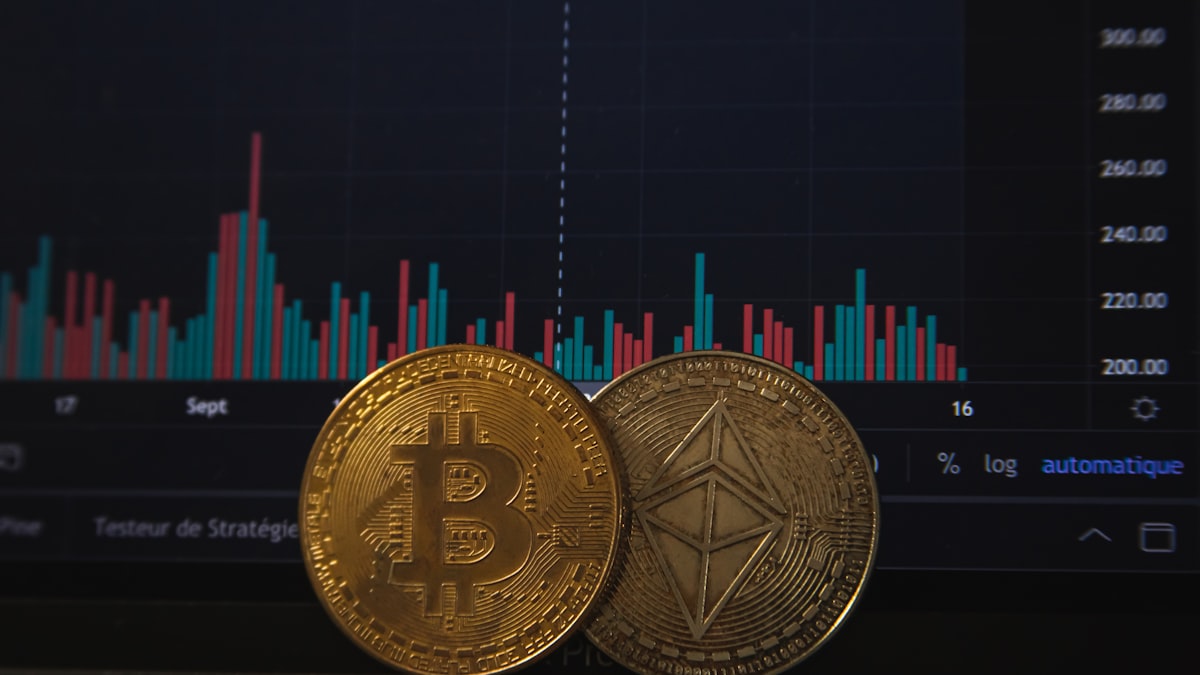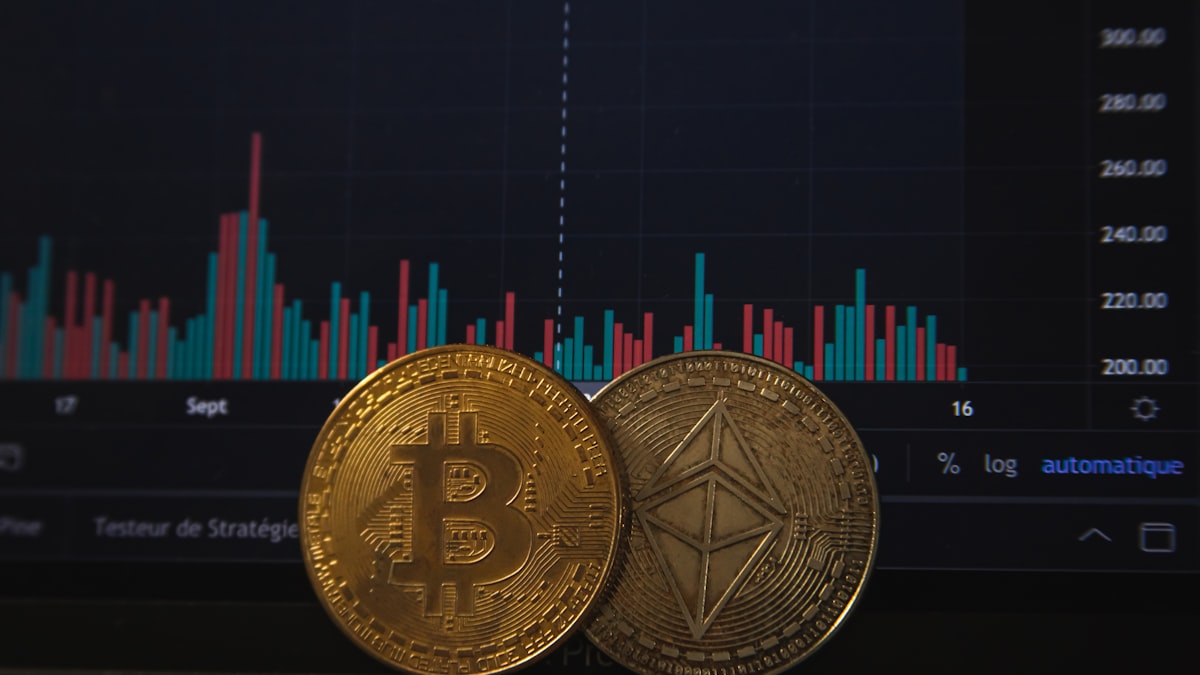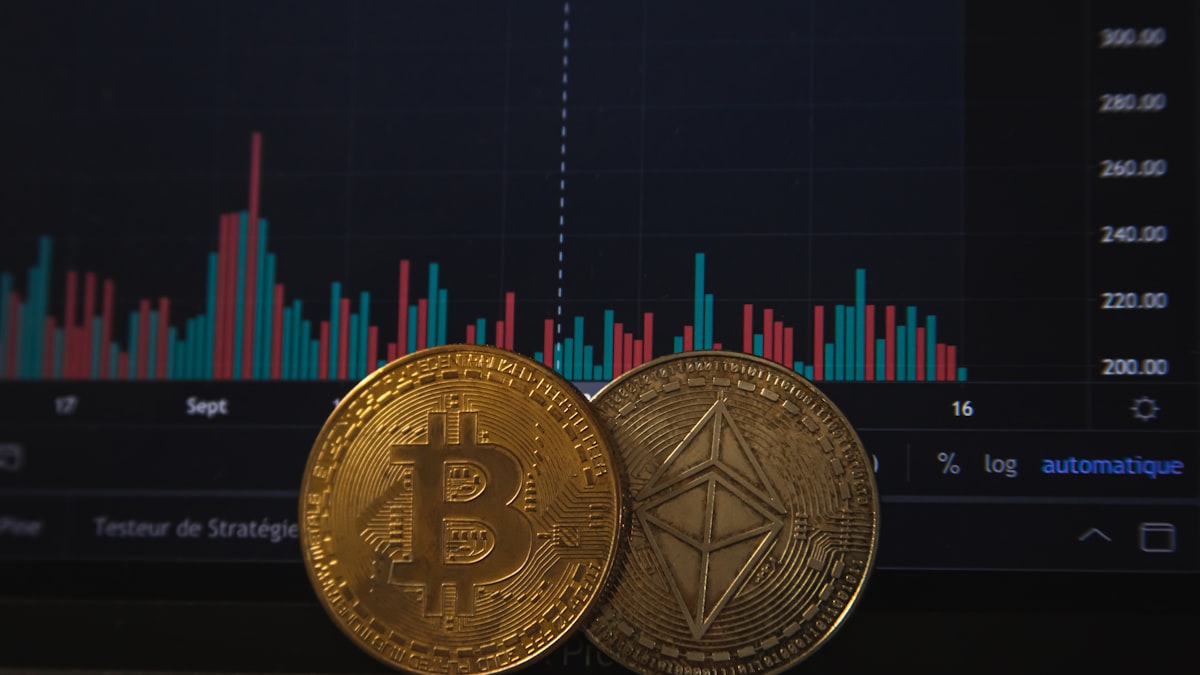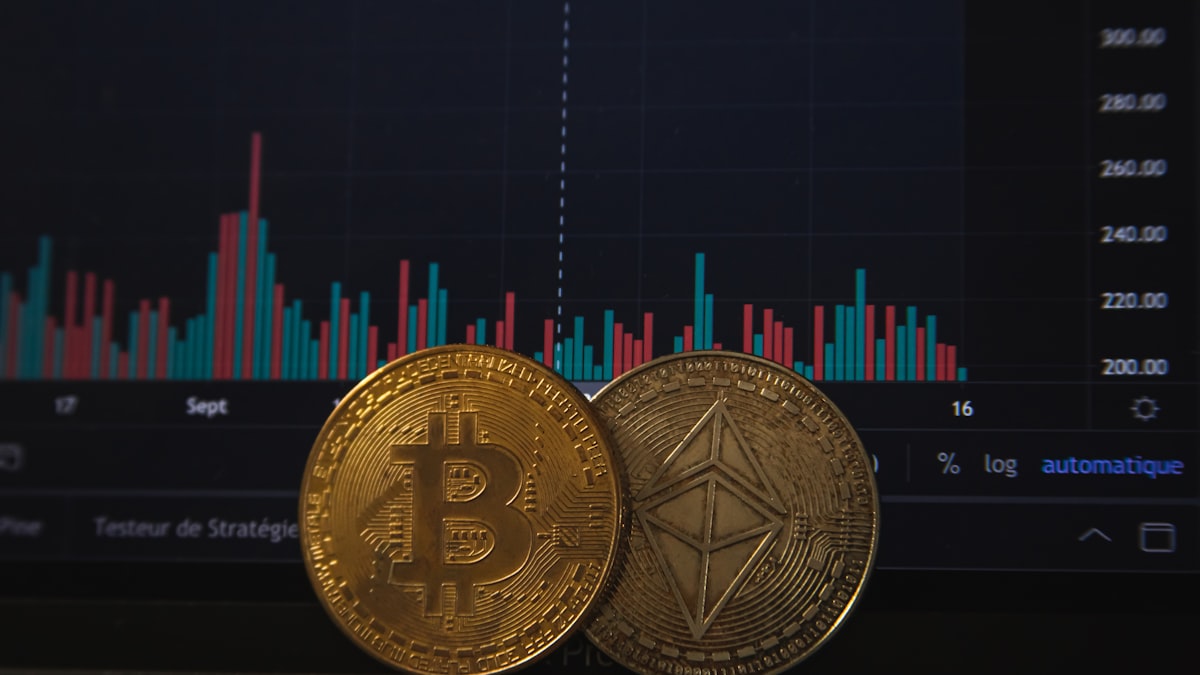
Bitcoin has staged a notable recovery, climbing toward the $60,000 threshold as traditional equity markets experience considerable headwinds across Asia and following recent Wall Street selloffs. The cryptocurrency’s upward momentum represents a potential divergence from broader market pessimism, signaling renewed investor confidence in digital assets despite macroeconomic uncertainty.
The price action comes as major regional stock indices face mounting pressure. South Korea’s KOSPI and Japan’s Nikkei have both surrendered significant ground in recent trading sessions, reflecting investor anxiety about economic growth prospects and monetary policy trajectories. This divergence between crypto and equities raises important questions about whether digital assets are beginning to establish themselves as alternative safe havens during periods of traditional market stress.
Market observers point to several factors driving Bitcoin’s recent bounce. First, the asset’s technical positioning had become oversold following earlier declines, creating attractive entry points for institutional and retail buyers alike. Second, the sharp equity market selloff may have prompted portfolio rebalancing activities, with some investors rotating into alternative assets perceived as less correlated to traditional stock indices. Additionally, cryptocurrency markets often respond positively when risk-off sentiment reaches extremes, as traders seek to establish positions ahead of potential market stabilization.
The broader implications of this price action warrant careful consideration. Bitcoin’s ability to recover while equities decline suggests the cryptocurrency market is developing independent price discovery mechanisms rather than simply mirroring traditional finance movements. This independence could indicate growing institutional acceptance and the emergence of crypto as a genuine portfolio diversifier. However, skeptics argue that correlations between Bitcoin and equities typically strengthen during genuine crisis periods, suggesting today’s relative outperformance may prove temporary.
Looking ahead, several dynamics will likely influence Bitcoin’s trajectory. Federal Reserve policy communications and economic data releases remain critical drivers of risk appetite across all asset classes. Additionally, regulatory developments and corporate adoption announcements continue shaping long-term investor sentiment toward cryptocurrencies. Regional economic concerns emanating from Asia may also persist, potentially sustaining the demand for alternative assets.
The current market environment underscores the importance of portfolio diversification and risk management strategies. While Bitcoin’s recent strength is encouraging for digital asset advocates, volatility in both cryptocurrency and equity markets remains elevated. Investors should approach current market conditions with appropriate caution, ensuring their exposure levels align with their risk tolerance and investment objectives.
As markets continue navigating economic uncertainties, Bitcoin’s performance will serve as a crucial barometer for cryptocurrency sector health and broader investor sentiment toward alternative assets.
Source: Original Article