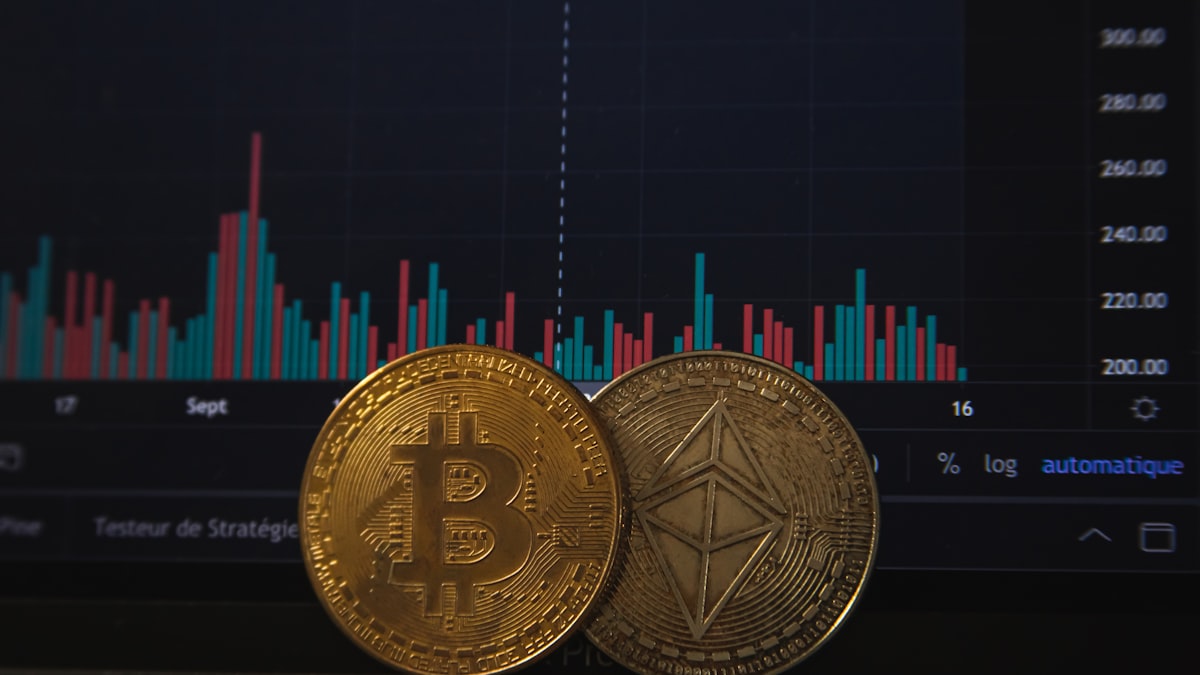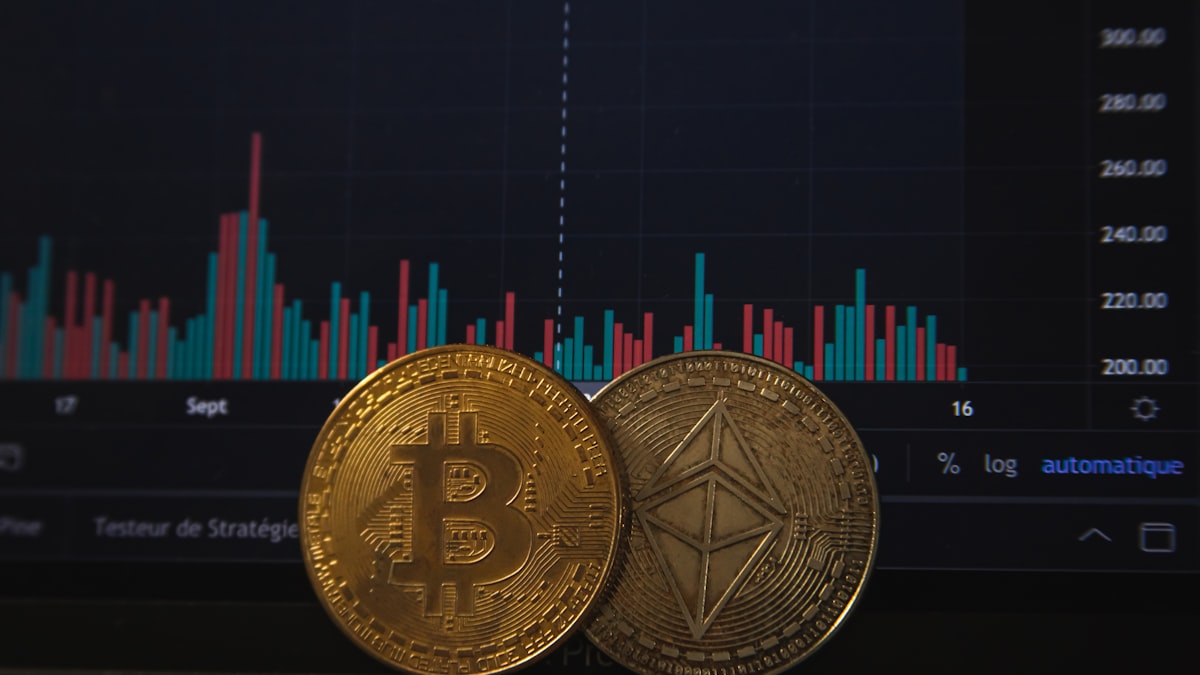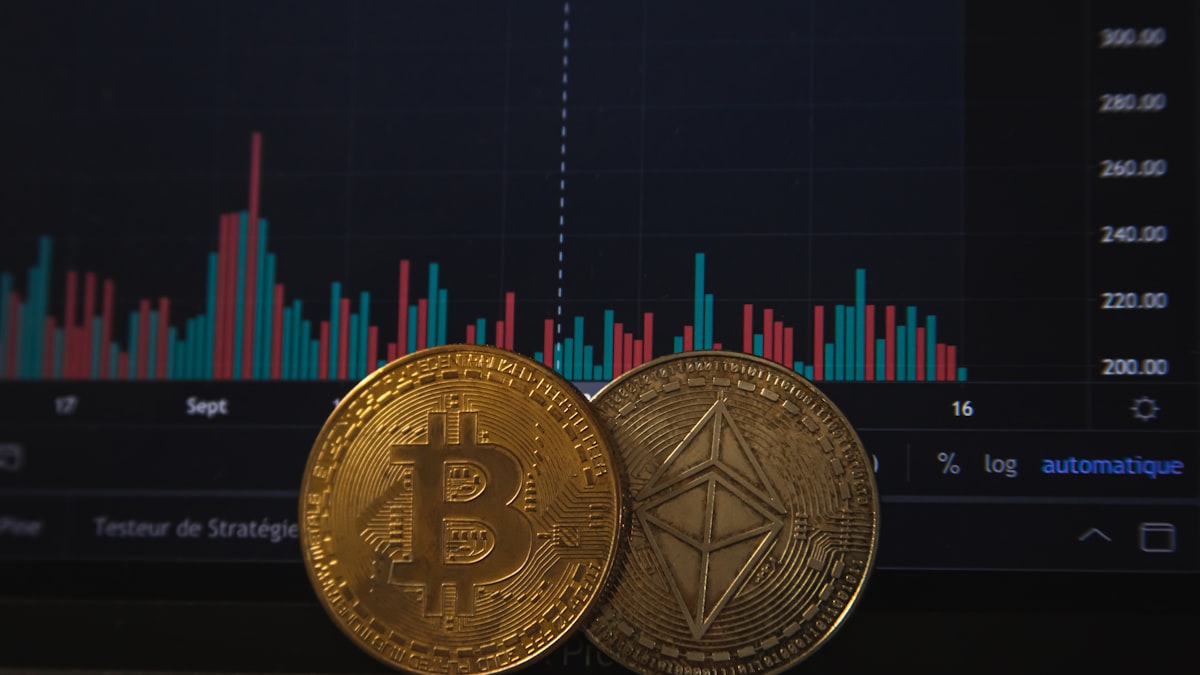
Ethereum is experiencing significant downward pressure, with its price sliding toward the $1,500 threshold—a level that hasn’t been challenged since early 2025. This descent marks a critical juncture for the network as Tether’s USDT stablecoin has officially claimed the number-two spot by market capitalization, displacing Ethereum from its historical position.
The cryptocurrency market’s recent shift reveals deeper concerns about Ethereum’s competitive positioning. While stablecoins serve primarily as infrastructure assets for trading and settlement, their ascendance above application-layer tokens signals changing investor sentiment. Market participants are increasingly moving capital into USD-pegged instruments, suggesting heightened risk-aversion across the digital asset ecosystem. This defensive positioning typically precedes broader market volatility, and analysts are closely monitoring whether Ethereum’s weakness signals broader altcoin distress.
Technical analysts emphasize the significance of current price levels for Ethereum’s near-term trajectory. The $1,500 zone has historically provided substantial support during previous downturns, with similar price action observed in October 2023 and April 2025. A sustained break below this threshold could accelerate further selling pressure and potentially expose lower support zones around $1,200–$1,300. Conversely, if buyers successfully defend these levels, Ethereum may stabilize and attempt recovery toward $1,800–$2,000 resistance.
Market observers attribute the recent weakness to multiple overlapping factors. Macroeconomic headwinds, including persistent inflation concerns and restrictive monetary policy expectations, have dampened risk appetite across traditional and digital markets alike. Additionally, competition from alternative blockchain platforms offering lower transaction costs and faster settlement has intensified scrutiny of Ethereum’s fee structure and network capacity. Recent regulatory developments around staking rewards and smart contract liability have also introduced uncertainty for institutional participants.
The implications for the broader market extend beyond Ethereum’s price action. Stablecoin dominance at the market cap hierarchy suggests reduced speculative demand and heightened preference for capital preservation. This environment typically compresses valuations across riskier assets, including layer-two solutions, DeFi tokens, and emerging blockchains that depend on Ethereum ecosystem growth. Conversely, the shift may benefit established, utility-focused projects that prioritize infrastructure over speculation.
Looking ahead, Ethereum’s recovery prospects depend on whether the network can demonstrate compelling use-case expansion and address scaling challenges more effectively. Upcoming protocol upgrades and increased adoption within institutional finance could provide catalysts for re-evaluation. However, in the near term, traders should monitor technical support levels carefully, as decisive breaks could trigger algorithmic selling and further downside momentum.
Source: Original Article