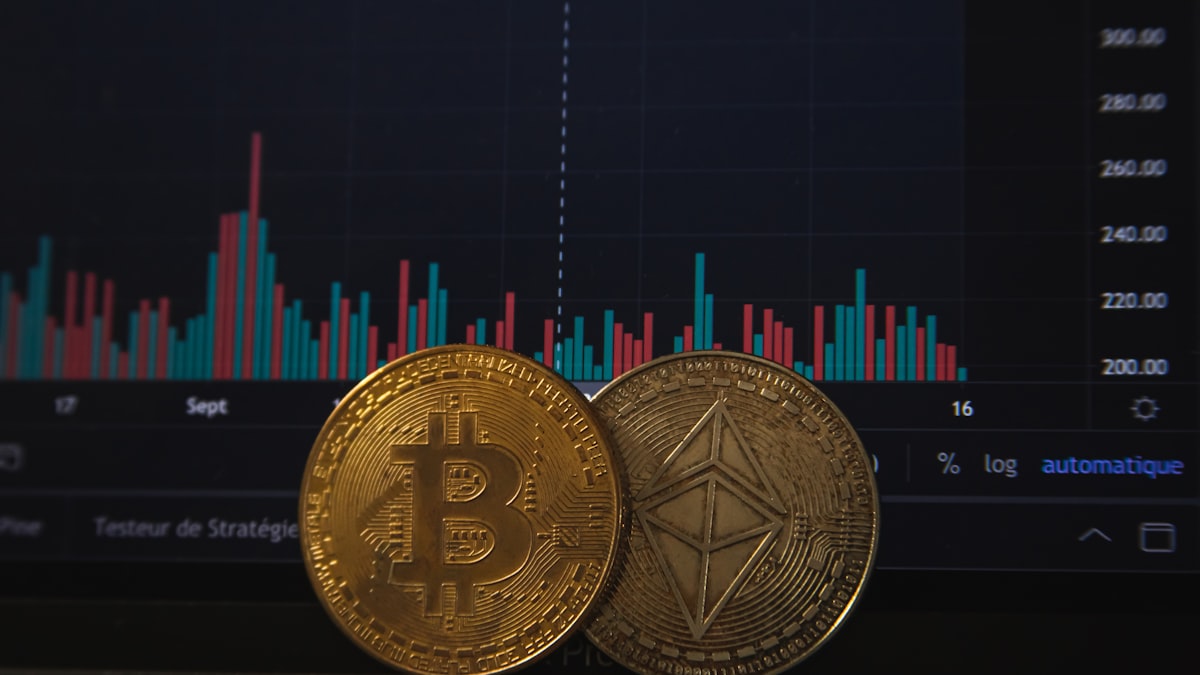
Bitcoin has entered the third quarter of 2026 facing substantial headwinds after recording losses throughout both the first and second quarters—a rare occurrence that has sent ripples of concern through the cryptocurrency market.
This marks merely the third time in Bitcoin’s trading history that the flagship digital asset has experienced back-to-back quarterly declines. The previous two instances occurred in 2018 and 2022, years that ultimately proved disastrous for cryptocurrency investors. The parallel timing has prompted market observers to scrutinize whether 2026 could follow a similar trajectory or whether current market conditions might foster a recovery.
The implications of this historical pattern weigh heavily on investor sentiment. In 2018, Bitcoin’s early-year weakness preceded an extended bear market that saw prices collapse from November highs near $13,800 to below $3,600 by December. Similarly, 2022 witnessed persistent selling pressure throughout the first half before the market deteriorated further in subsequent months, with Bitcoin eventually testing lows around $16,000. Neither instance provided relief during the second half of the year, defying the conventional wisdom that summer weakness often gives way to autumn rebounds.
For 2026, the pattern suggests particular caution may be warranted. The convergence of challenging macroeconomic conditions, regulatory uncertainty, and technical deterioration has created an environment where historically significant support levels face repeated tests. Bitcoin’s inability to establish sustained momentum despite multiple rally attempts indicates underlying weakness that extends beyond typical seasonal volatility.
However, important distinctions exist between current conditions and those preceding previous downturns. The institutional infrastructure surrounding Bitcoin has matured considerably since 2018, and adoption metrics have expanded dramatically. Additionally, corporate and sovereign balance sheet allocations to Bitcoin represent structural demand that was largely absent during earlier bear markets. These factors could theoretically provide price support even if broader sentiment remains negative.
The critical question facing traders and investors centers on whether Q3 2026 will inaugurate a recovery or merely delay the inevitable continuation of downward pressure. Technical analysts point to key resistance levels around recent swing highs as potential inflection points, while fundamental observers highlight developments in mining economics and network activity as important gauges of underlying health.
Market participants should monitor several indicators closely. Sustained volume patterns, exchange flows, and on-chain transaction metrics will reveal whether current weakness reflects capitulation or merely consolidation. Additionally, broader macroeconomic data—particularly inflation readings and central bank policy signals—will likely dominate Bitcoin’s near-term direction.
The historical precedent certainly warrants vigilance. Yet Bitcoin’s resilience through previous cycles and the evolution of market structure suggest 2026 may ultimately diverge from the cautionary tales of 2018 and 2022. Traders should remain prepared for volatility while recognizing that historical patterns, though informative, rarely repeat with perfect precision in evolving markets.
Source: Original Article