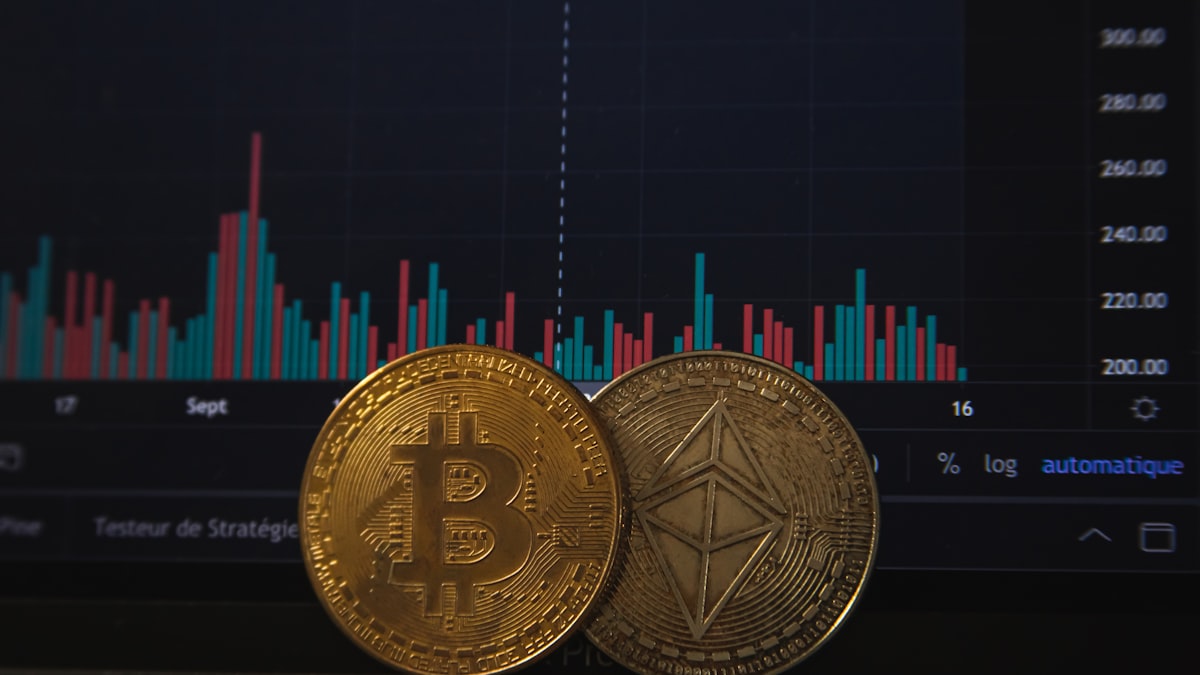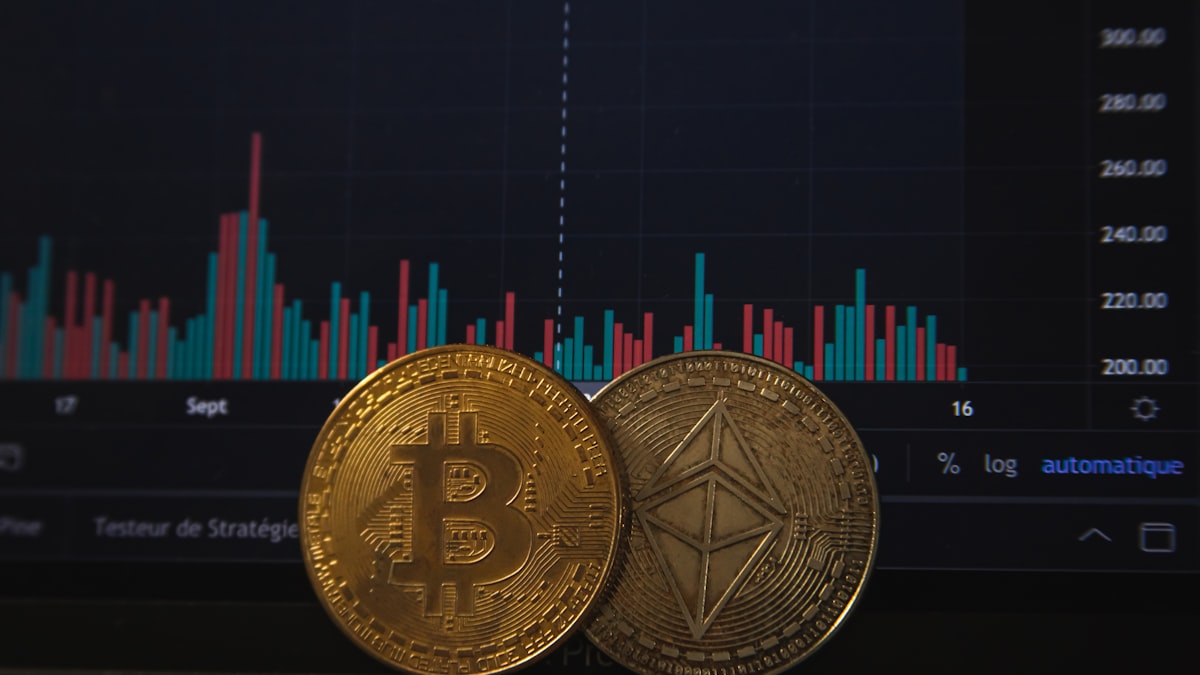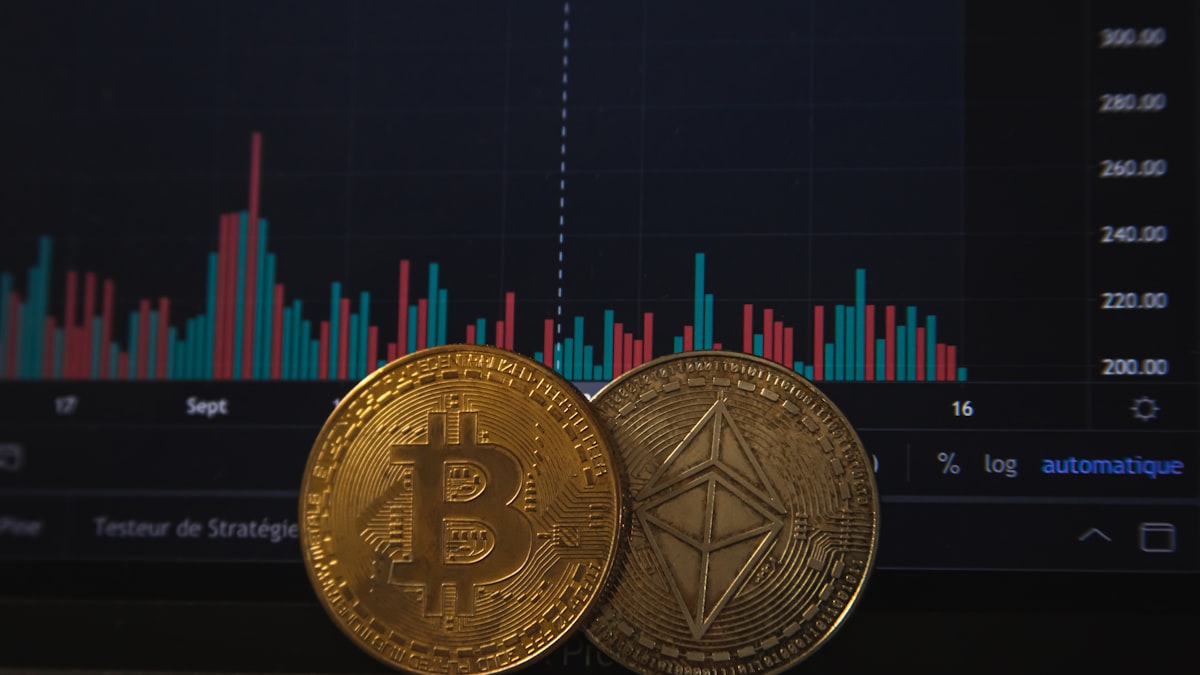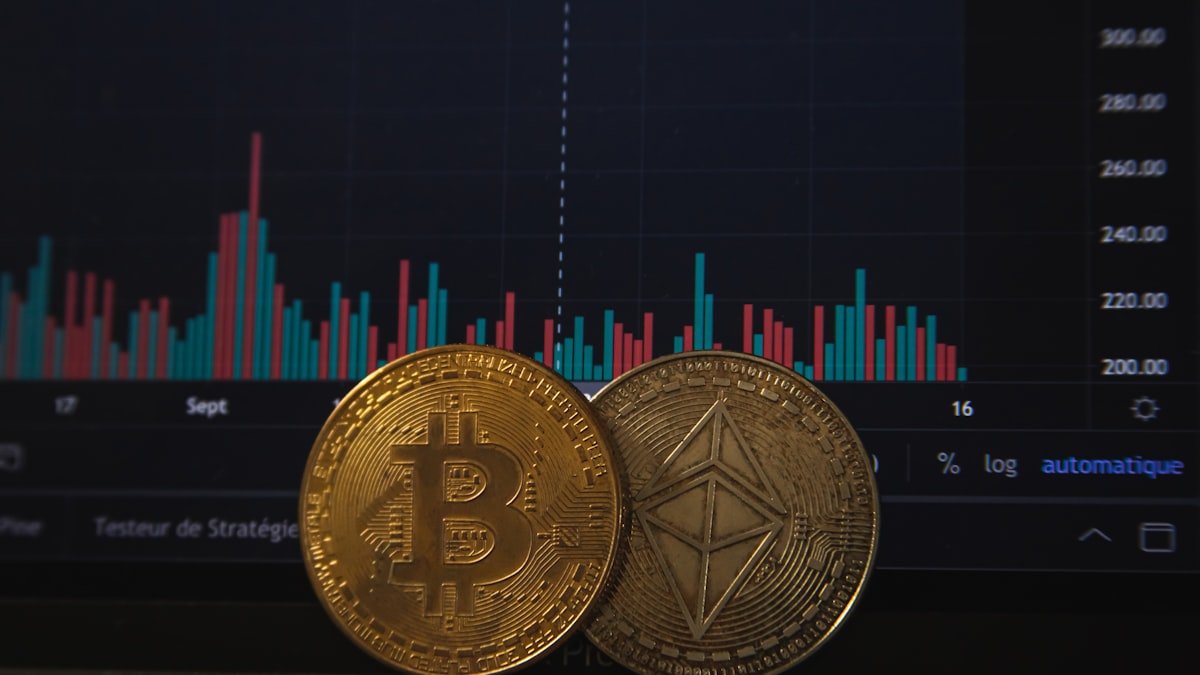
Bitcoin has continued its bullish momentum into early July, climbing through the $62,000 resistance level as market participants reassess the Federal Reserve’s interest rate trajectory. The cryptocurrency’s impressive performance reflects broader market sentiment following unexpectedly weak employment data from the United States, which has reignited expectations for monetary policy accommodation in the coming months.
The catalyst for Bitcoin’s latest leg higher stems from softer US labor market indicators that fell short of economist forecasts. When employment growth slows or unemployment ticks upward, markets typically interpret this as evidence that inflation pressures are easing—a development that could prompt the Fed to consider rate cuts sooner rather than later. For Bitcoin and other risk assets, lower interest rates tend to be supportive, as they reduce the opportunity cost of holding non-yielding investments and increase liquidity in financial markets.
This week’s price action represents a meaningful recovery for the leading cryptocurrency after navigating choppy conditions throughout June. Bitcoin’s ability to reclaim ground above $62,000 suggests that technical sellers have been exhausted, at least temporarily, and that fresh buying interest is emerging from investors anticipating a more dovish Fed stance. The broader crypto market has responded in kind, with altcoins and derivative instruments showing corresponding strength alongside BTC’s recovery.
The macro environment remains crucial for Bitcoin’s near-term trajectory. Inflation data will continue to dominate headlines, as will any commentary from Federal Reserve officials regarding their policy outlook. Should incoming economic statistics continue to show signs of cooling price pressures without triggering recession concerns, the case for monetary easing becomes increasingly compelling. This scenario would likely provide additional tailwinds for Bitcoin, potentially enabling advances toward higher resistance levels.
For traders and long-term investors, the current environment underscores the importance of monitoring macroeconomic calendars and central bank communications. Bitcoin’s correlation with real interest rates—the yield on government bonds adjusted for inflation—has become particularly pronounced in recent years. When real rates decline or are expected to decline, Bitcoin tends to strengthen as investors seek alternative stores of value outside traditional fixed-income securities.
The technical picture also merits attention. Bitcoin’s consolidation above $62,000 could signal the start of a more sustained rally if support holds and volume remains healthy. Conversely, a reversal below key support levels might suggest that the recent optimism about rate cuts is premature. Traders should watch for potential resistance around $65,000 and $68,000, levels that would represent meaningful psychological and technical milestones.
As July progresses, the interplay between labor market data, inflation readings, and Fed policy expectations will likely remain the primary driver of Bitcoin price action. The cryptocurrency’s recent strength indicates that market participants are increasingly confident in the case for monetary accommodation, positioning Bitcoin favorably relative to traditional risk-off assets.
Source: Original Article