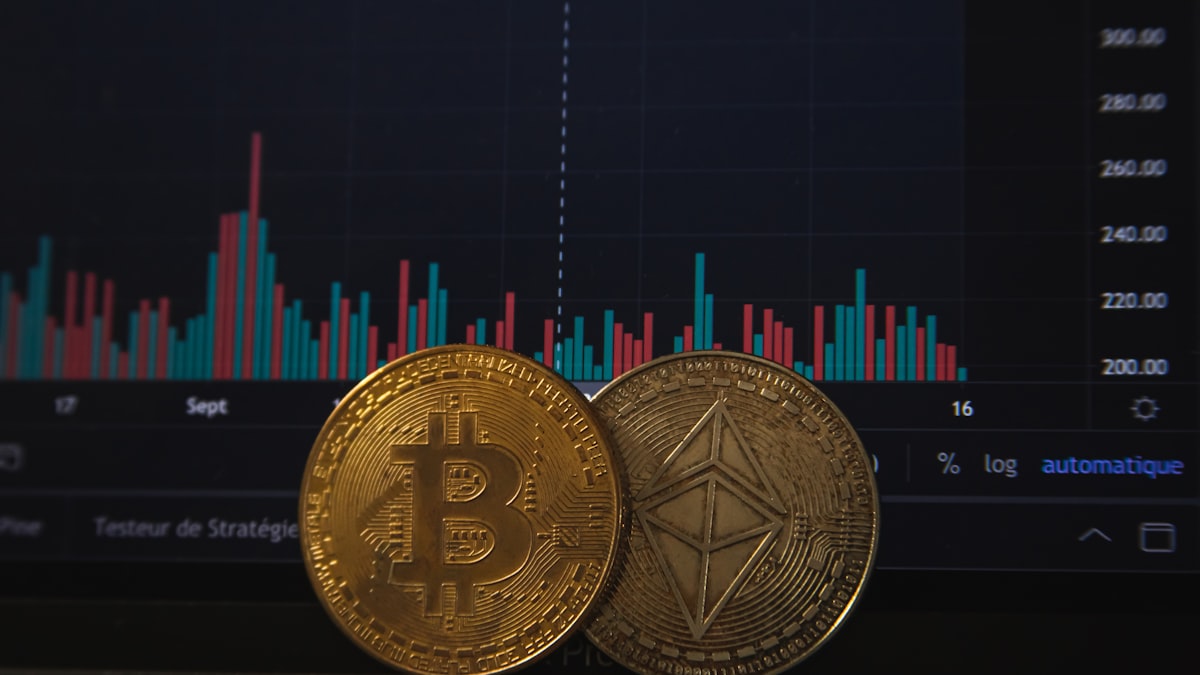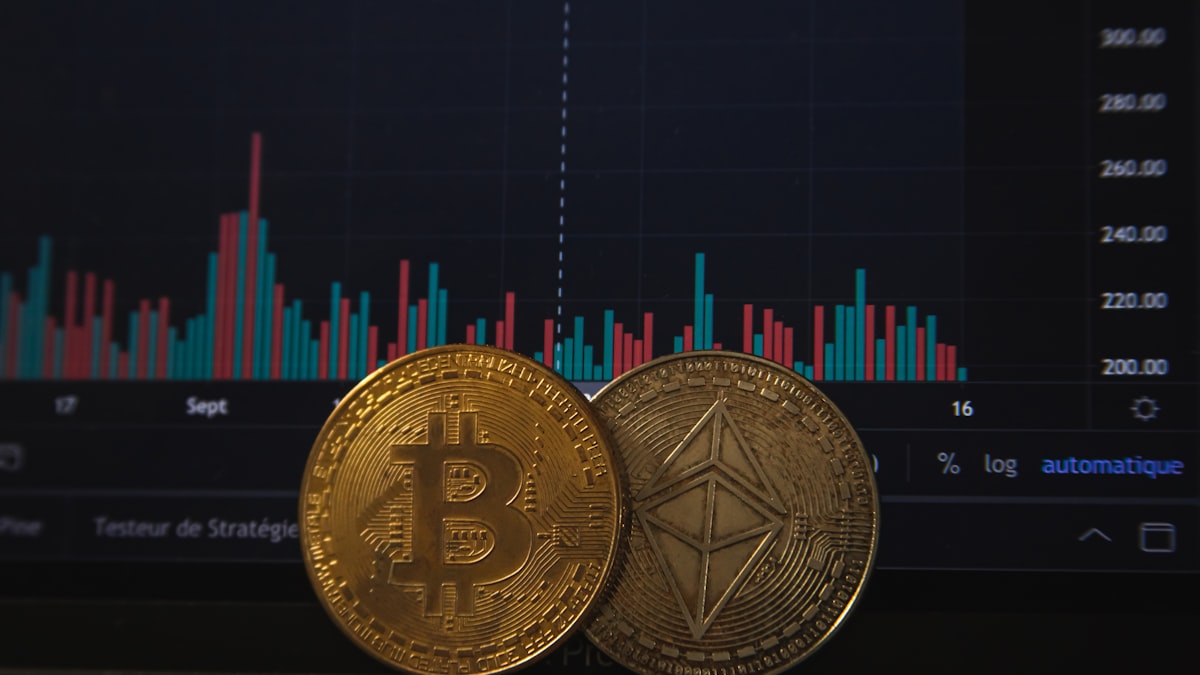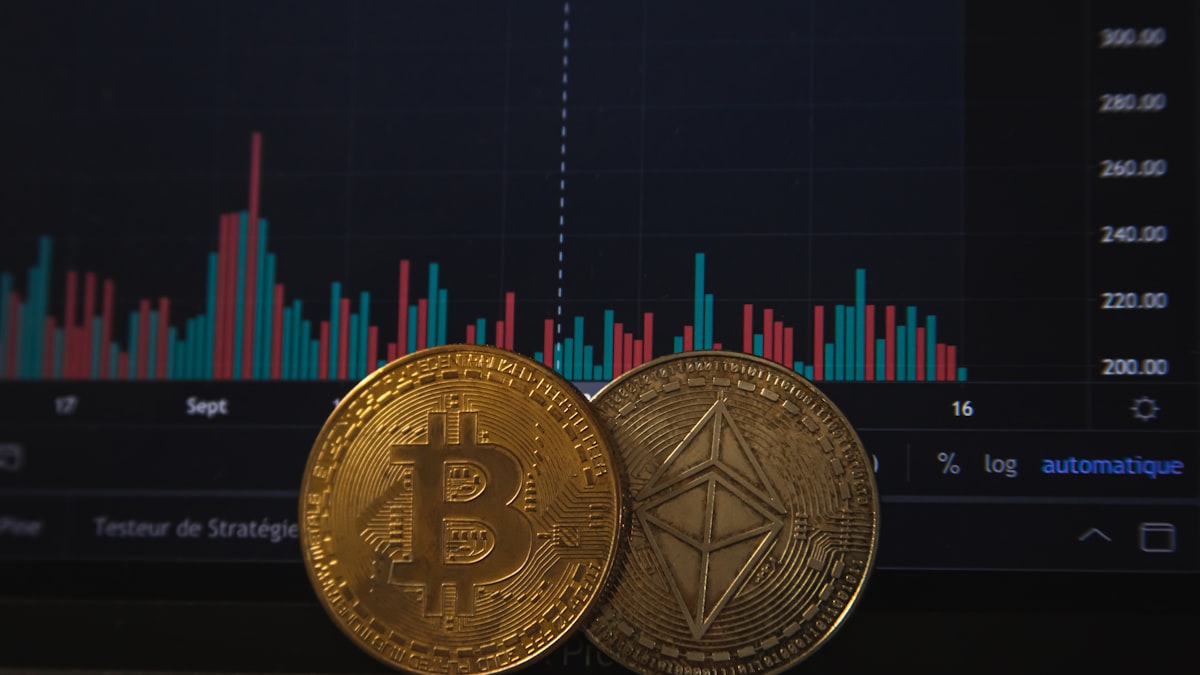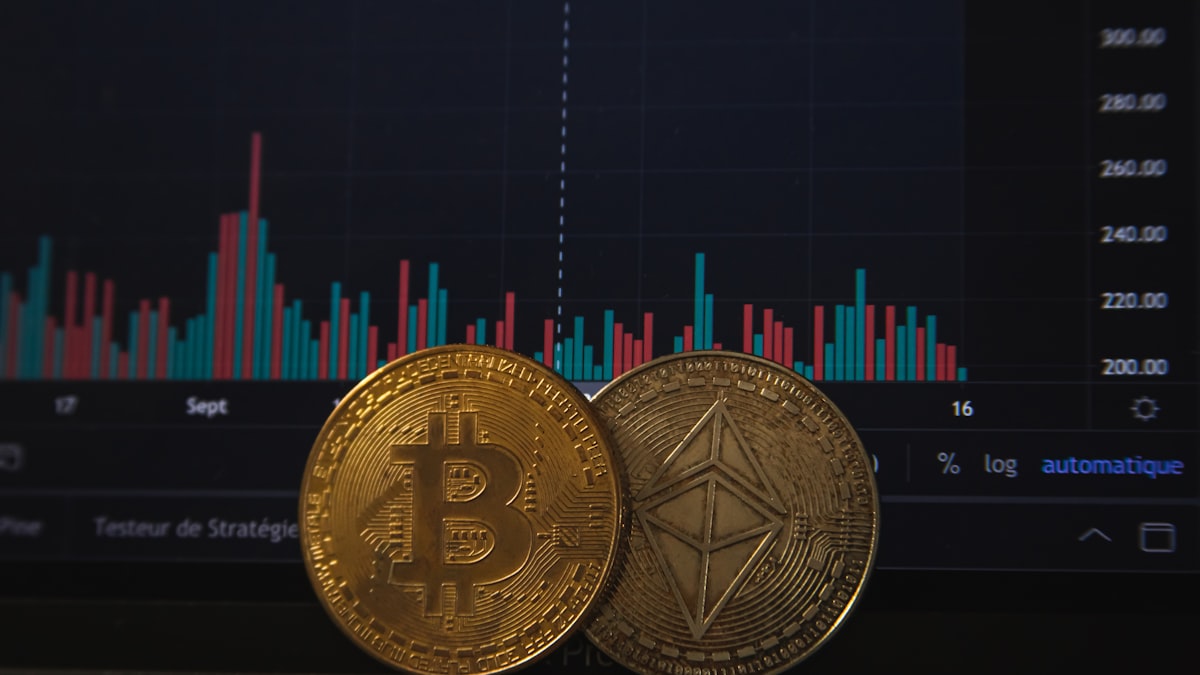
Bitcoin’s risk-adjusted returns have reached their most concerning levels since the beginning of 2022, raising fresh questions about the cryptocurrency’s appeal as a portfolio diversifier during periods of macroeconomic uncertainty.
The decline in Bitcoin’s Sharpe ratio—a statistical measure comparing an asset’s returns against the volatility required to achieve those returns—reflects a challenging environment for digital assets. When this metric turns negative, it indicates that investors would theoretically accumulate greater wealth by holding stable, interest-bearing instruments such as U.S. Treasury securities rather than weathering the extreme price swings associated with cryptocurrency holdings.
This deterioration stems from multiple converging factors. Bitcoin’s price movements have remained erratic throughout recent months, with the asset experiencing sharp reversals that have tested investor confidence. Simultaneously, the U.S. Federal Reserve’s elevated interest rate regime has made traditional debt instruments increasingly attractive on a relative basis. Treasury yields currently offer meaningful compensation for capital deployment without exposing investors to the binary risks inherent in cryptocurrency markets. The combination of reduced Bitcoin returns and heightened volatility has created an unfavorable risk-reward calculus that extends beyond casual retail investors into institutional decision-making frameworks.
For market participants, this development carries substantial strategic implications. The persistent weakness in Bitcoin’s risk-adjusted metrics challenges the long-standing narrative that cryptocurrency holdings provide essential portfolio protection during equity market stress. When risk-free rates climb substantially, the opportunity cost of holding volatile, non-yielding assets becomes impossible to ignore. Portfolio managers must now justify cryptocurrency allocations based on conviction regarding future adoption and network expansion rather than immediate performance metrics.
However, context matters considerably. The current macroeconomic landscape remains distinctly different from historical norms. Geopolitical tensions, persistent inflation concerns, and currency devaluation risks in various jurisdictions continue to support fundamental arguments for alternative asset classes. The Sharpe ratio’s weakness may ultimately represent a temporary cyclical challenge rather than a permanent structural shift in Bitcoin’s investment utility.
Looking ahead, cryptocurrency’s ability to recover an attractive risk-adjusted profile likely depends on two critical variables: whether price volatility moderates as markets mature, and whether Bitcoin successfully establishes itself as a legitimate alternative to fiat currency during periods of systemic financial stress. Until these conditions materialize, investors should expect continued scrutiny of cryptocurrency holdings within professionally managed portfolios and a more discerning approach to digital asset allocation.
Source: Original Article