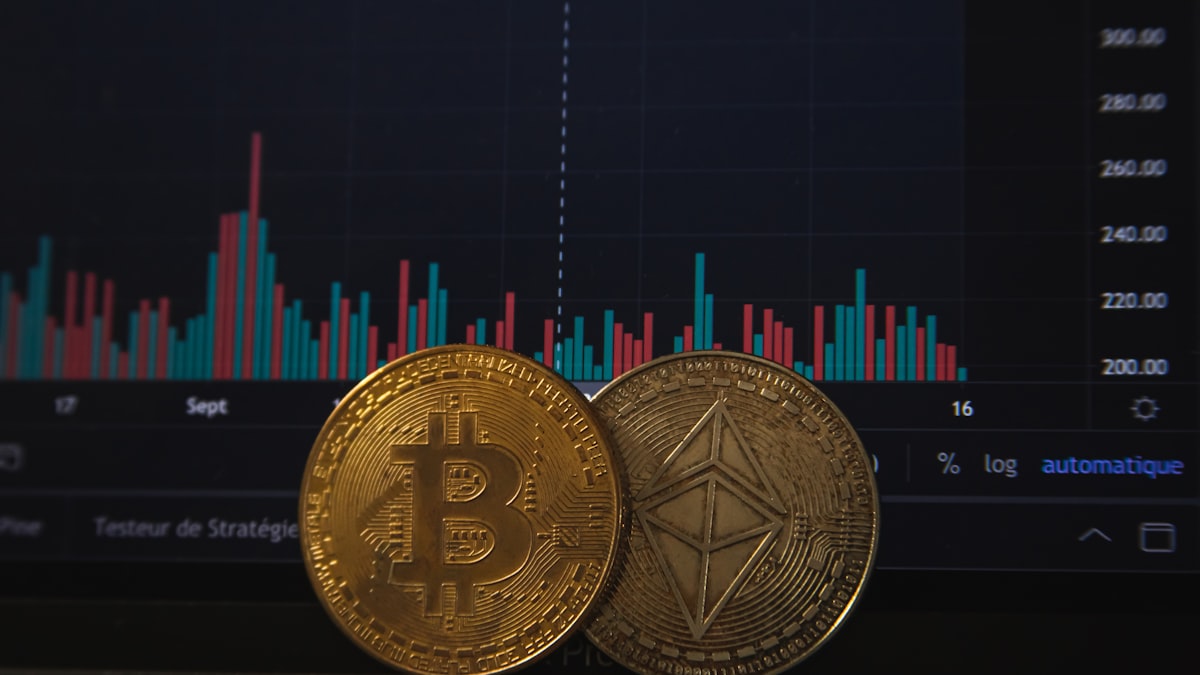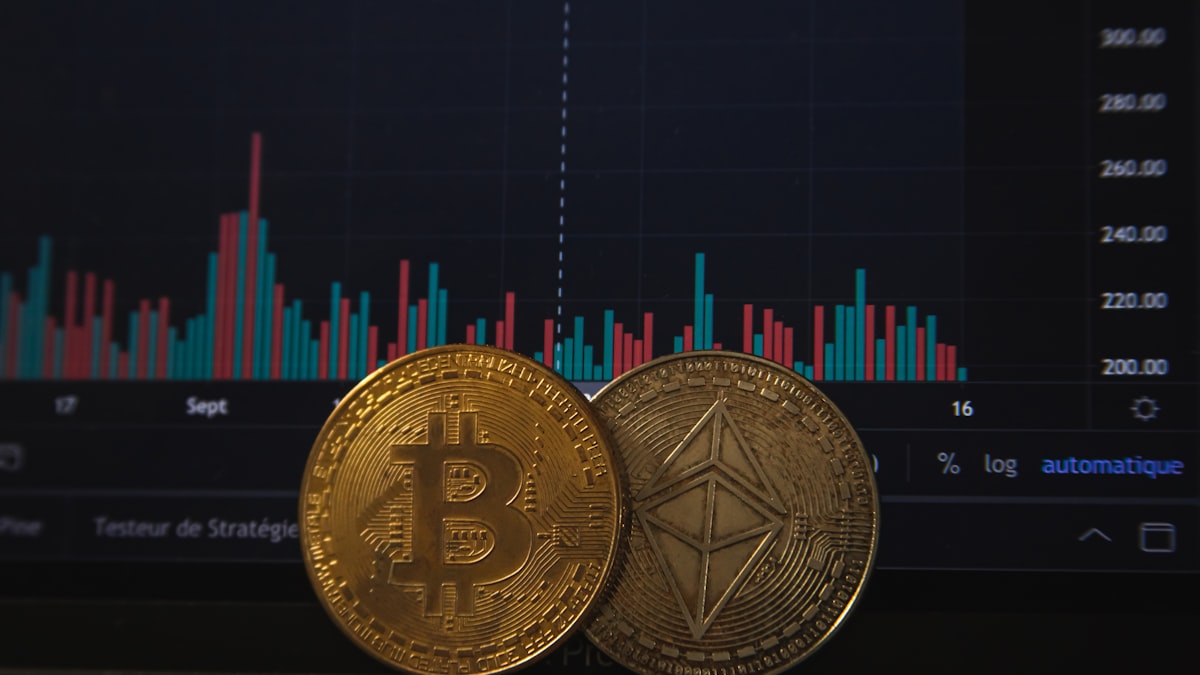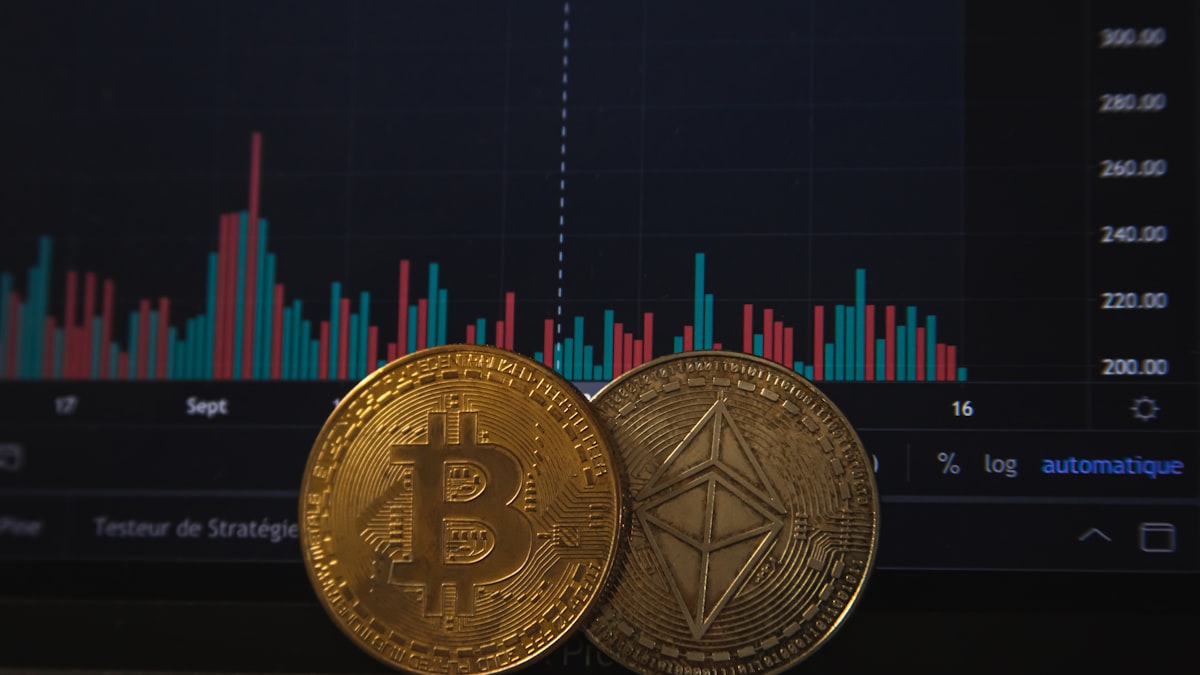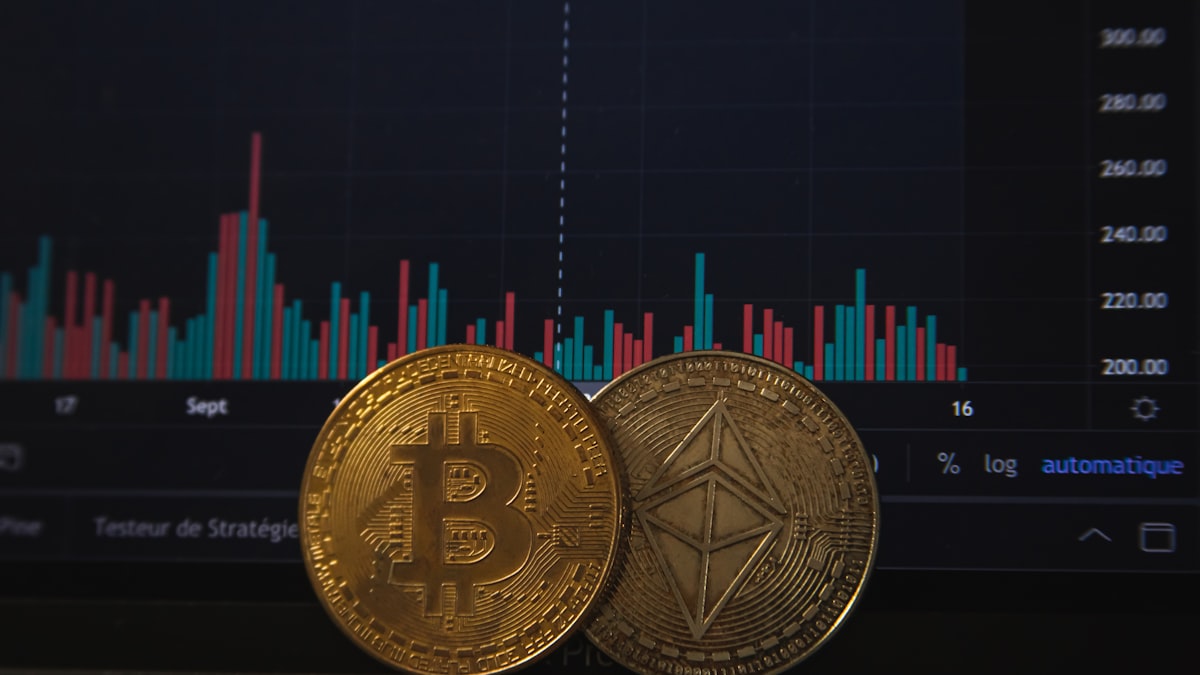
Financial markets entered a turbulent phase this week as escalating geopolitical tensions sent shockwaves through digital asset valuations. The cryptocurrency sector, alongside traditional equities, faced notable selling pressure following heightened military activity in the Middle East and corresponding policy announcements from global leaders.
The catalyst for the market downturn emerged from deteriorating diplomatic relations, with officials declaring an end to previous agreements aimed at de-escalation. The situation intensified as military operations resumed between regional and international powers, triggering a classic risk-off environment that typically pressures speculative assets. Bitcoin, which has increasingly served as a barometer for investor sentiment during periods of uncertainty, retreated from recent highs as institutional and retail participants reassessed their exposure to volatile holdings.
Cryptocurrency’s reaction reflects broader market dynamics wherein investors flee toward perceived safety during geopolitical crises. The digital asset class, still relatively young and subject to regulatory uncertainty, tends to underperform during periods of elevated global tensions. Altcoins experienced steeper declines than Bitcoin, with smaller-cap tokens shedding value more aggressively—a pattern consistent with historical precedent during risk-aversion cycles. Ethereum and other layer-one blockchain platforms fell in tandem with the broader market decline, though their fundamental developments remained unchanged.
Market analysts attribute the pullback to multiple converging factors beyond geopolitical developments alone. Macroeconomic considerations, including ongoing inflation concerns and Federal Reserve policy trajectories, continue influencing capital allocation decisions. The confluence of international tensions and domestic economic pressures creates a particularly challenging environment for risk assets seeking institutional investment flows. Trading volumes spiked across major exchanges, indicating substantial repositioning activity among both professional traders and retail participants seeking portfolio adjustments.
Looking ahead, market participants remain vigilant regarding further developments that could either stabilize or accelerate the downward pressure. Historical analysis suggests that geopolitical events often produce temporary volatility rather than sustained directional moves, assuming de-escalation occurs within reasonable timeframes. However, cryptocurrency markets’ structural characteristics—24/7 trading, leveraged positions, and limited circuit breaker mechanisms—can amplify the impact of significant news events compared to traditional markets.
For long-term investors in blockchain infrastructure and digital currencies, current price levels may present accumulation opportunities, though near-term volatility should be anticipated. Portfolio managers and traders are advised to monitor both geopolitical developments and traditional market indicators closely, as these dynamics typically move in correlation during crisis periods. The sector’s maturation will ultimately depend on demonstrating resilience through multiple market cycles, including those triggered by external geopolitical shocks beyond the cryptocurrency ecosystem’s control.
Source: Original Article