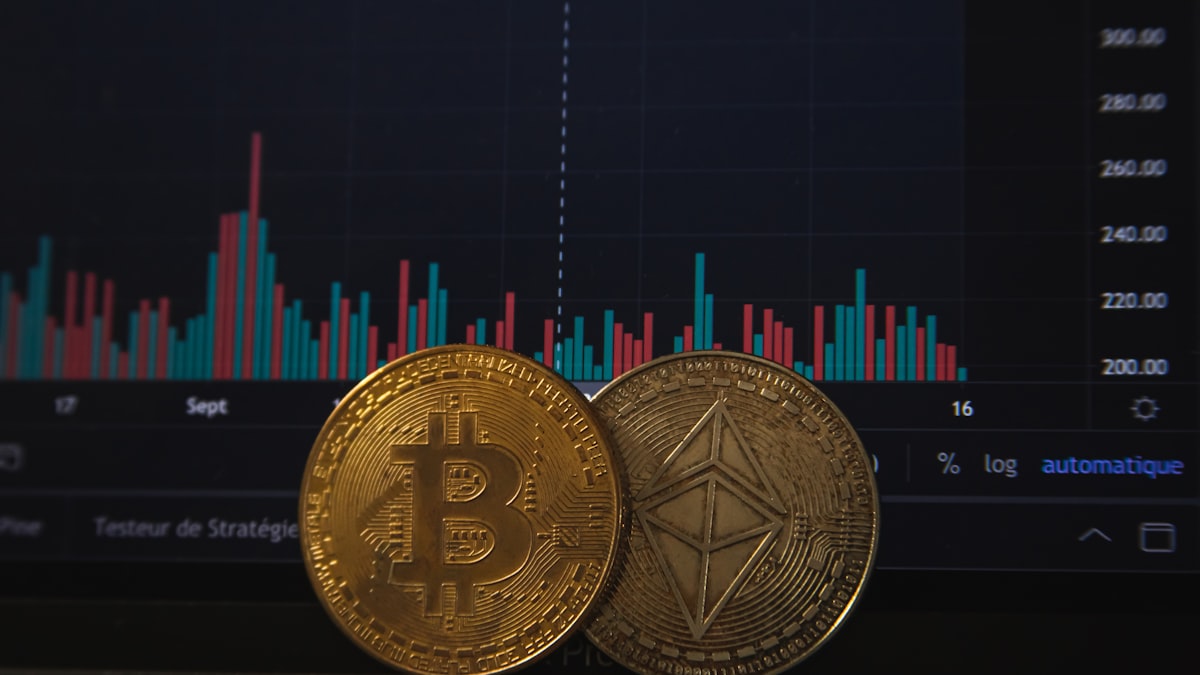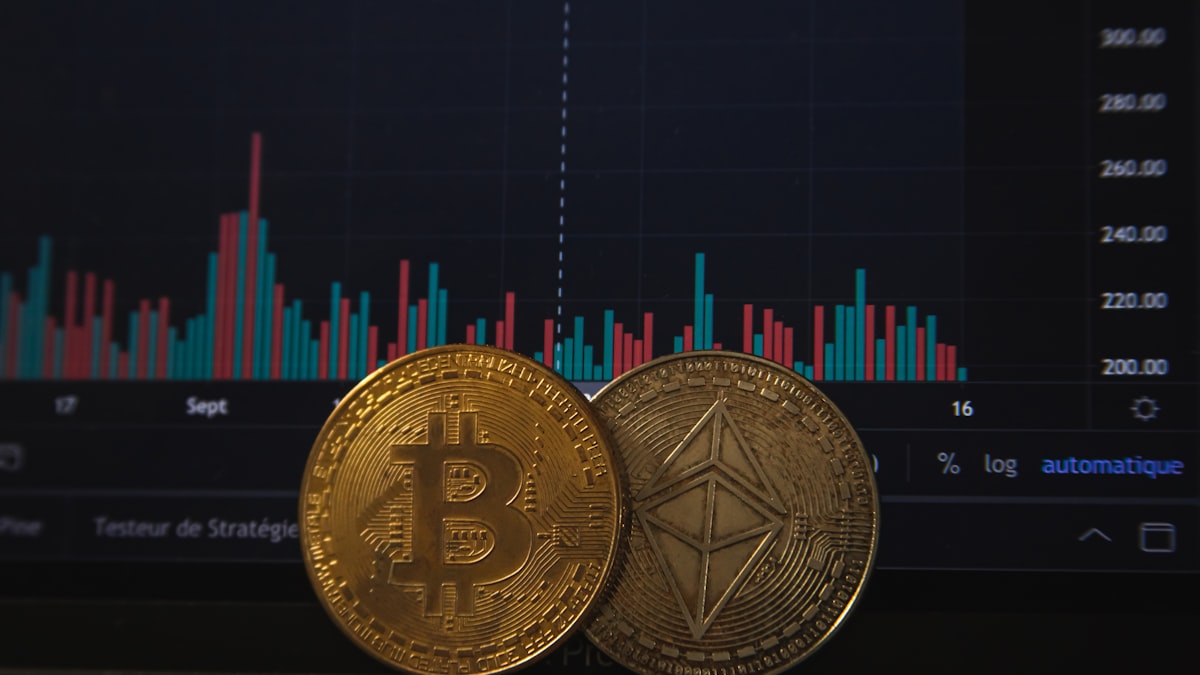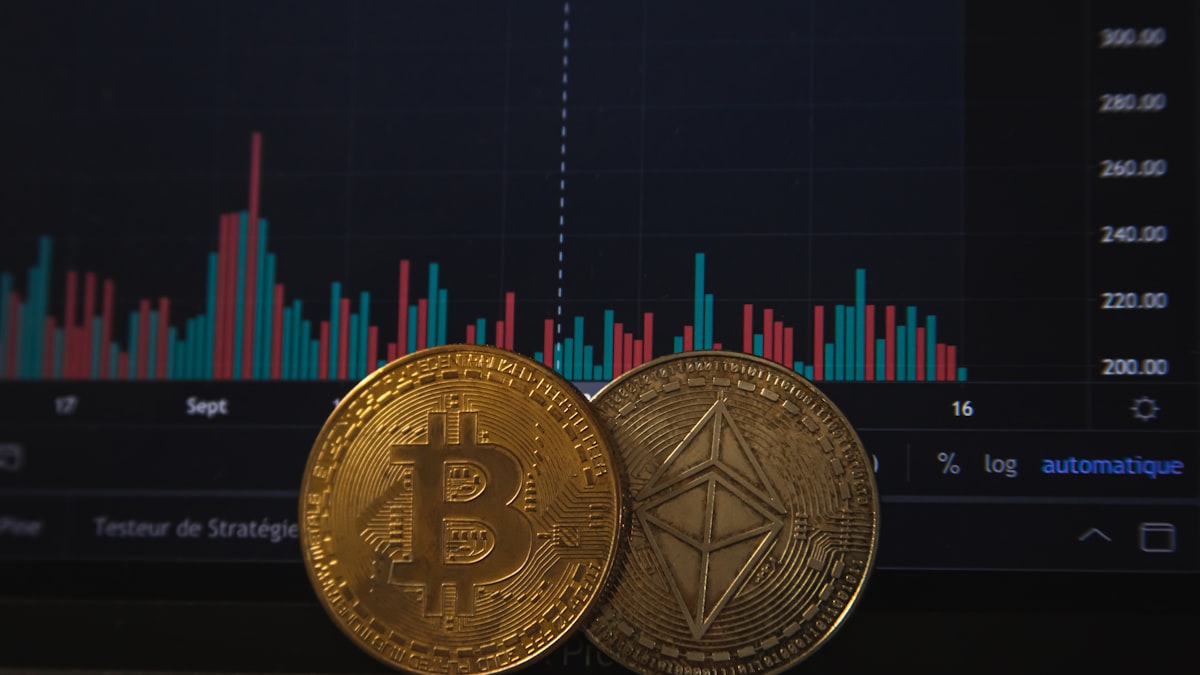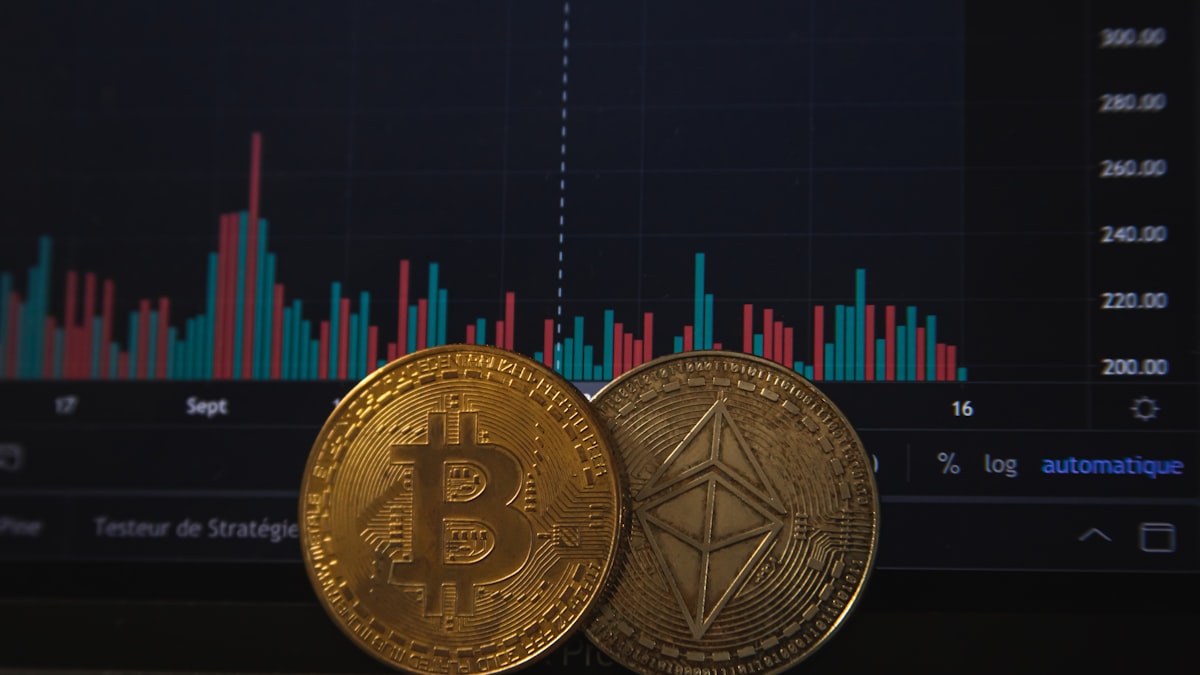
Escalating geopolitical tensions in the Middle East have triggered a fresh surge in oil prices, creating fresh headwinds for inflation-sensitive assets including Bitcoin. As crude climbs toward $90 per barrel, market participants are reassessing the trajectory of interest rates and the broader macroeconomic backdrop that underpins crypto valuations.
The renewed conflict has disrupted supply expectations, with traders pricing in potential production disruptions across key OPEC+ member states. This supply shock arrives at a delicate moment when central banks worldwide are attempting to engineer a soft landing from their aggressive 2024-2025 rate hiking campaigns. Elevated energy costs could derail these efforts, forcing policymakers to maintain higher rates for longer than previously anticipated.
For Bitcoin specifically, the implications are mixed. Higher oil prices typically translate to elevated inflation expectations, which traditionally support hard assets like Bitcoin as inflation hedges. However, the immediate market reaction reflects concerns that central banks may respond by extending their restrictive monetary stance. This scenario would weigh on risk assets in the near term, as higher rates reduce the appeal of non-yielding assets and strengthen the US dollar—Bitcoin’s primary valuation competitor.
Market data reveals Bitcoin has retreated 3.2% over the past 48 hours following the conflict escalation, suggesting risk-off sentiment is currently dominating geopolitical premium considerations. Futures markets show elevated volatility, with traders simultaneously hedging inflation exposure while de-risking broader portfolio positions. The correlation between crude oil and Bitcoin has turned positive again, a relationship that had largely disappeared during the 2022-2023 bear market.
Analysts emphasize that the sustainability of this oil rally will prove crucial for crypto market direction. Should tensions de-escalate within weeks, the temporary inflation spike may reverse quickly, allowing the Fed to potentially restart rate cuts by year-end. Conversely, prolonged instability could force a recalibration of inflation forecasts, potentially pushing Bitcoin into a bearish consolidation phase as investors reassess whether cryptocurrencies remain attractive amid elevated real yields.
Ethereum and altcoins have suffered more severe selloffs, with the broader altcoin market down 4.8% as risk capital retreats. Trading volumes have spiked across major exchanges, indicating institutional repositioning. Stablecoin inflows to centralized exchanges suggest traders are preparing for potential volatility in either direction.
Looking ahead, the next critical catalysts include OPEC+ production decisions, Federal Reserve communications, and broader Middle East diplomatic developments. Crypto markets will likely remain jittery until geopolitical risks subside and clearer inflation signals emerge.
Source: Original Article