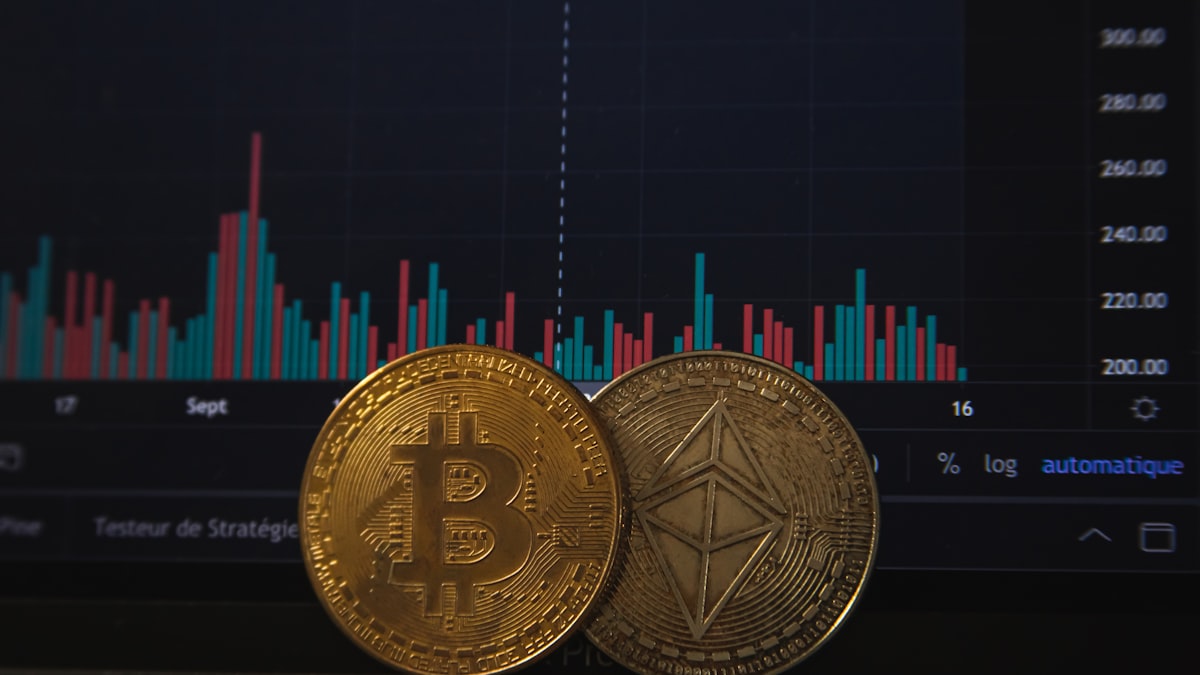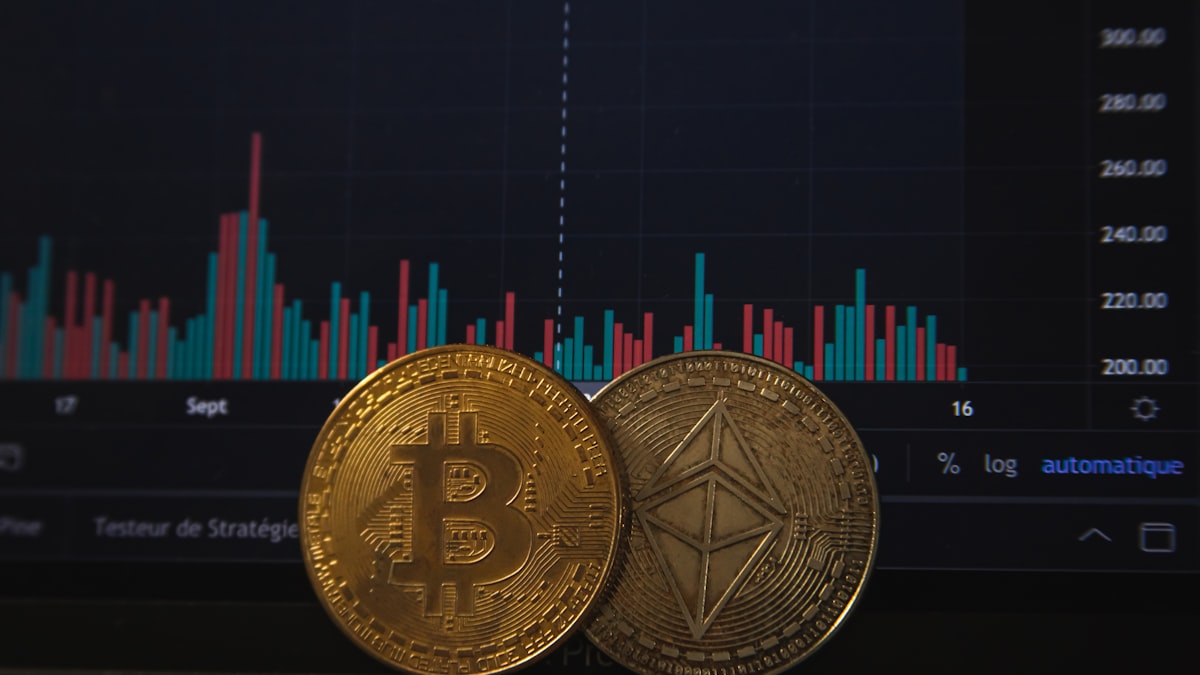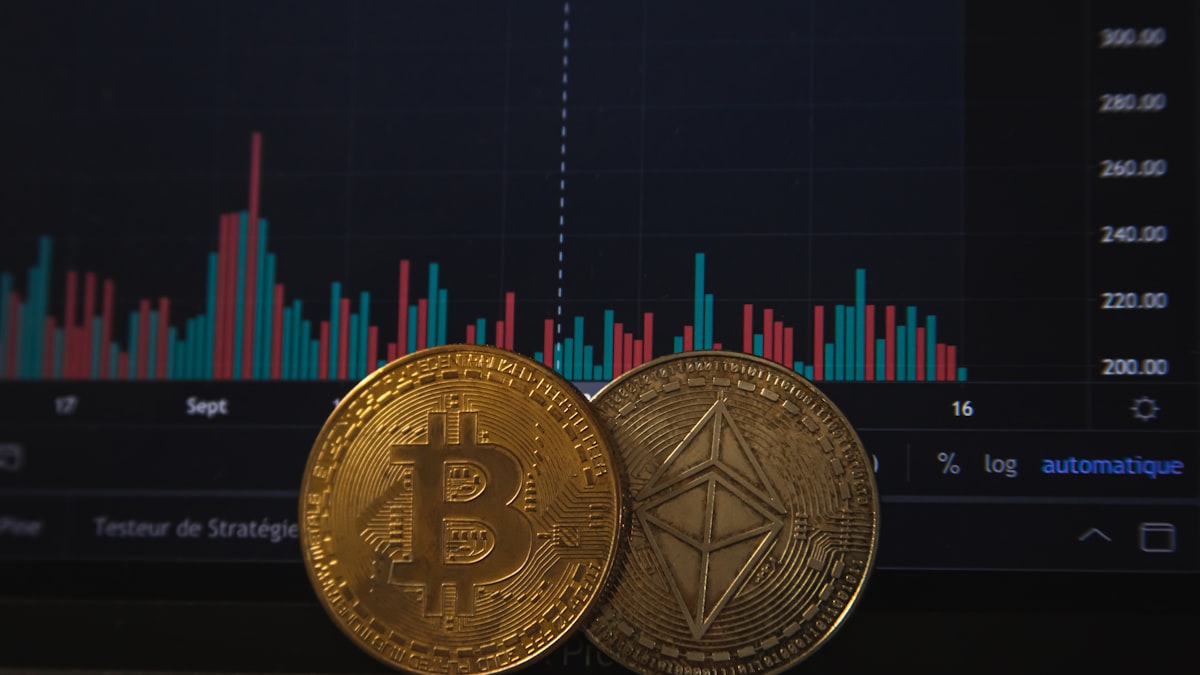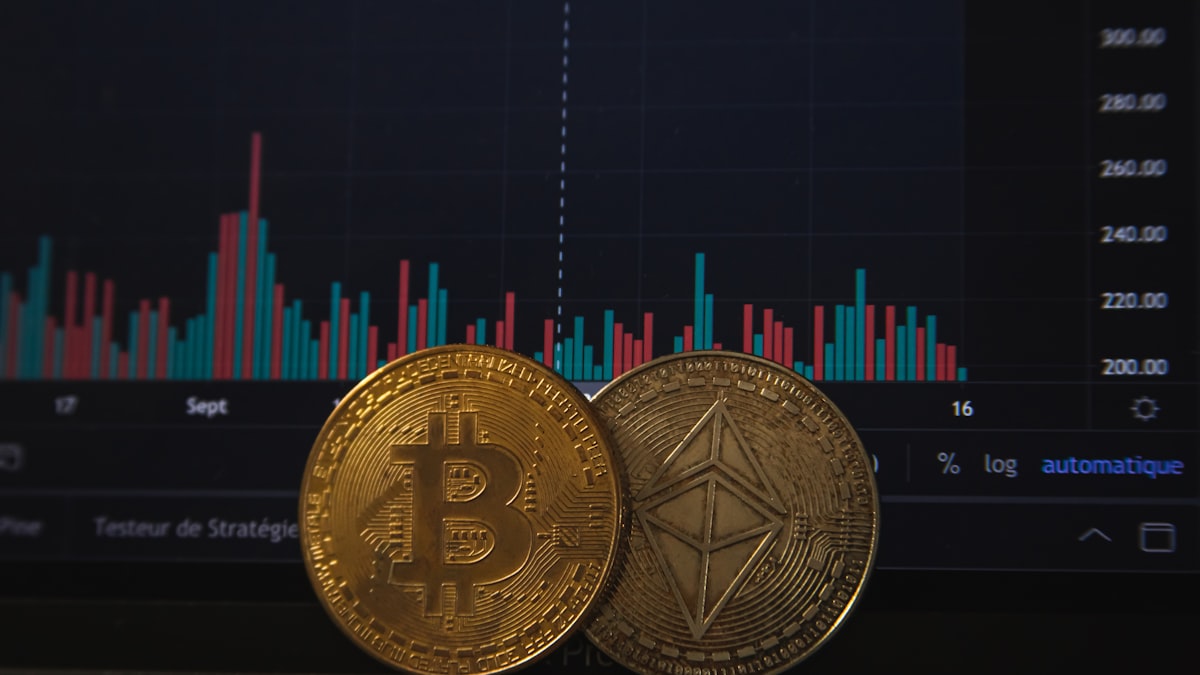
Bitcoin’s commanding position in the cryptocurrency market has intensified in recent weeks, with dominant market share metrics climbing to levels that typically precede extended periods of altcoin underperformance. This shift marks a critical juncture for investors positioned in smaller-cap digital assets, raising urgent questions about the sustainability of the broader market’s diversification.
The current market structure reveals Bitcoin consolidating around key technical levels while systematically drawing liquidity from emerging tokens and alternative blockchain ecosystems. Data from major exchanges indicates consistent capital reallocation from mid-cap and smaller altcoins directly into BTC holdings, a pattern historically associated with risk-off sentiment among institutional and retail participants alike. This gravitational pull toward Bitcoin comes despite growing utility developments and network upgrades across competing platforms, suggesting sentiment dynamics rather than fundamental catalysts are driving current market movements.
Market observers point to multiple contributing factors behind this concentration of capital. Macroeconomic uncertainty, combined with persistent concerns about regulatory clarity in key jurisdictions, has prompted portfolio managers to adopt defensive positioning. Additionally, Bitcoin’s narrative strength—reinforced by spot ETF approvals and increasing institutional adoption—continues to dominate media coverage and retail attention, perpetuating a self-reinforcing cycle of inflows. Meanwhile, altcoin projects struggle for narrative traction, facing skepticism from risk-conscious investors seeking established blue-chip exposure.
The implications for altseason timing remain uncertain. Historical precedent suggests that pronounced dominance peaks often precede significant altcoin rallies, as capital eventually seeks higher-yielding opportunities. However, the current environment presents structural differences: fragmented liquidity, evolving regulatory frameworks, and the proliferation of competing Layer-2 solutions have fundamentally altered how market cycles operate. Some analysts suggest the traditional altseason pattern may have evolved into a more decentralized, narrative-driven model where specific projects rally based on technological breakthroughs rather than broad market rotations.
For active traders and long-term holders, the current environment demands strategic clarity. Those maintaining significant altcoin positions face mounting pressure, with technical indicators suggesting further downside risks should Bitcoin’s dominance expand beyond current resistance levels. Conversely, the capitulation in alternative assets presents potential accumulation opportunities for investors with extended time horizons, particularly in projects demonstrating genuine technological progress and ecosystem development.
As Bitcoin consolidates its market leadership, the cryptocurrency space enters a period of heightened selectivity. Success will increasingly depend on individual project merit rather than broad market enthusiasm, fundamentally reshaping how altseason unfolds in coming quarters.
Source: Original Article