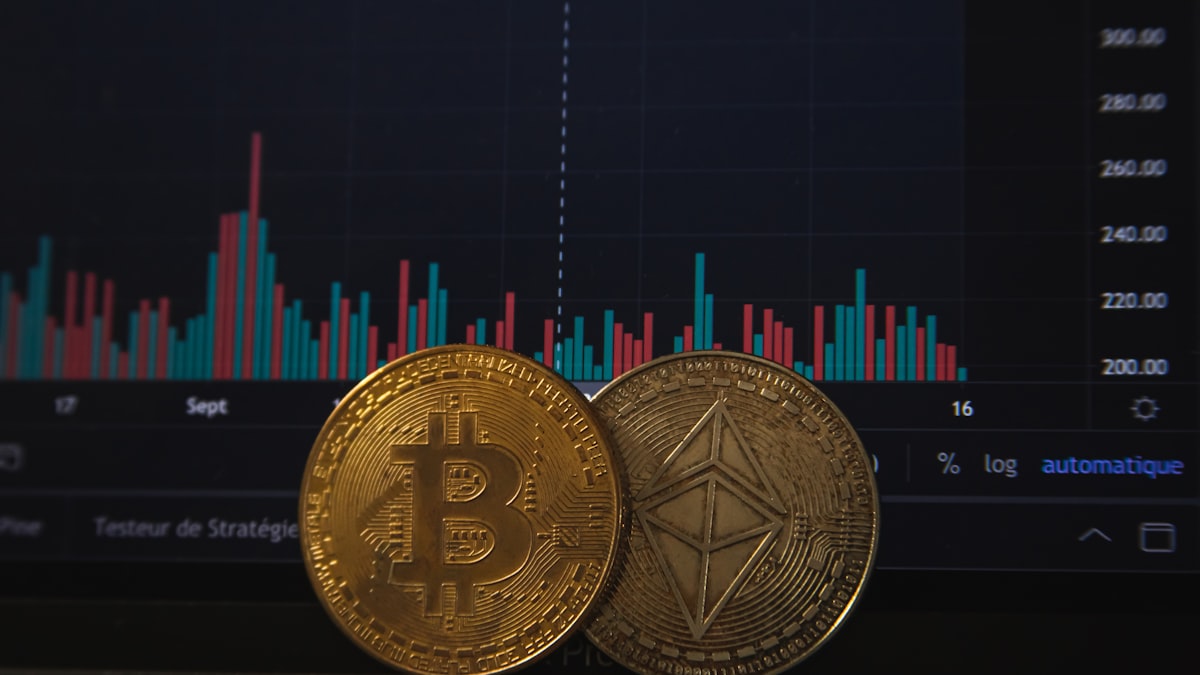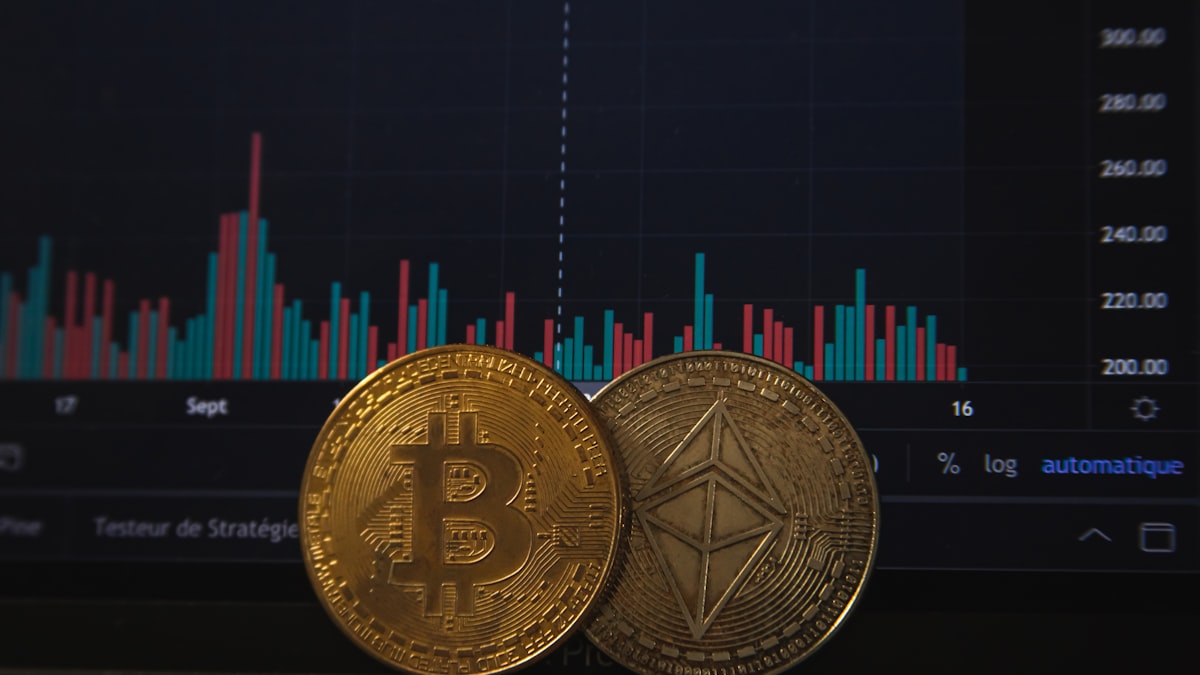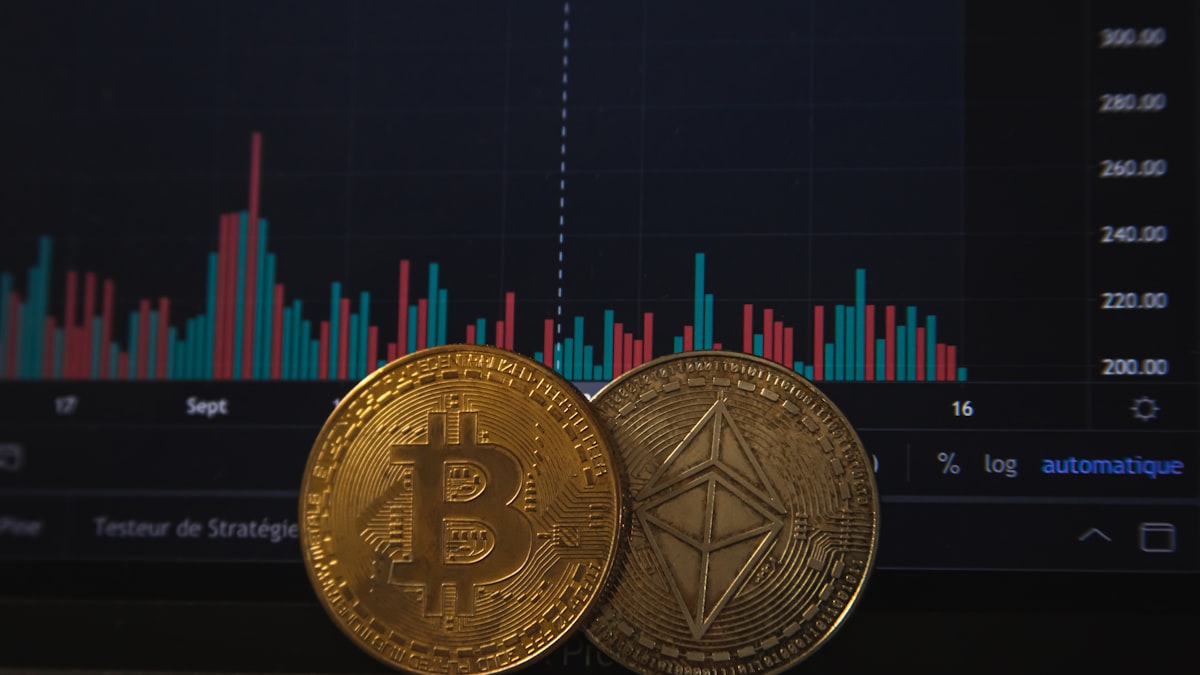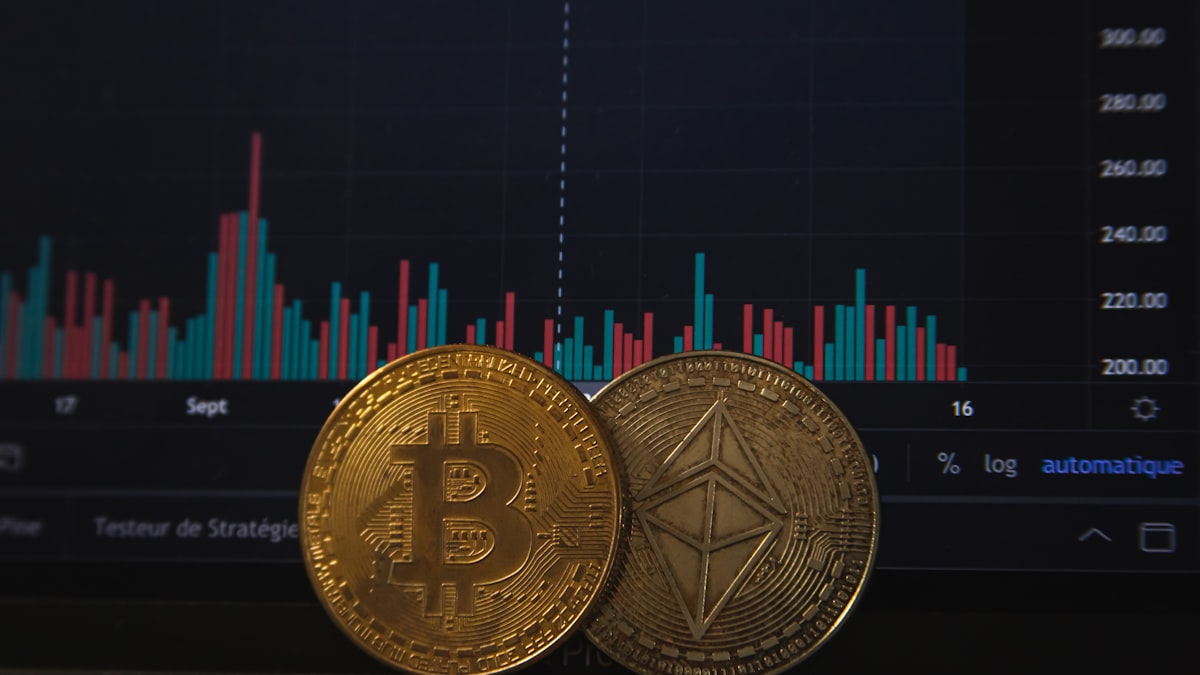
Bitcoin is demonstrating resilience in the face of mounting headwinds, with the flagship cryptocurrency attempting to reclaim the $64,000 level despite a confluence of bearish pressures threatening momentum.
The latest price action comes as Middle Eastern tensions resurface, adding another layer of volatility to already fragile market sentiment. Historically, geopolitical events have created short-term disruptions in crypto markets, though Bitcoin’s decentralized nature typically insulates it from prolonged fundamental impacts. Simultaneously, institutional selling pressure originating from Binance’s spot market has maintained downward force on valuations throughout the week, suggesting that weak hands continue to capitulate at higher levels.
Market analysts are increasingly scrutinizing this recovery attempt, with several flagging an unusual pattern in how price has been recovering. One prominent trader noted the possibility of artificial price inflation, suggesting that the recent gains may not reflect organic buying demand. This observation carries significant weight given the concentration of trading volume on major platforms and the potential for coordinated movements among sophisticated market participants. The divergence between spot and derivatives markets offers further evidence that retail and institutional interests may be misaligned at current price points.
If Bitcoin successfully breaks above the $64,000 hurdle, technical analysts are positioning $66,000 as the next critical resistance zone. Reaching this level would represent a meaningful recovery from recent lows and could signal renewed strength among bulls. However, the persistent selling from exchange wallets—often interpreted as distribution by informed traders—suggests institutional players remain unconvinced about near-term appreciation potential. This fundamental disagreement between price action and on-chain metrics could indicate consolidation rather than a true reversal.
The broader implications for the cryptocurrency market hinge on Bitcoin’s ability to establish conviction above key resistance levels. A sustained push toward $66,000 would likely trigger a relief rally across altcoins, as historically correlated assets follow Bitcoin’s leadership. Conversely, failure to maintain these elevated prices could validate concerns about rally exhaustion and potentially trigger fresh selling. Derivatives traders are positioning accordingly, with long liquidations accelerating as bulls attempt to extend gains into increasingly hostile territory.
Investors should monitor several key indicators in the coming sessions: first, whether spot exchange inflows subside, reducing supply-side pressure; second, whether derivatives markets show increased leverage confidence; and third, how closely Bitcoin’s price movement aligns with broader risk-asset performance. The interplay between geopolitical uncertainty and exchange mechanics will likely determine whether this recovery becomes sustainable or represents merely a technical bounce within a larger downtrend.
Source: Original Article