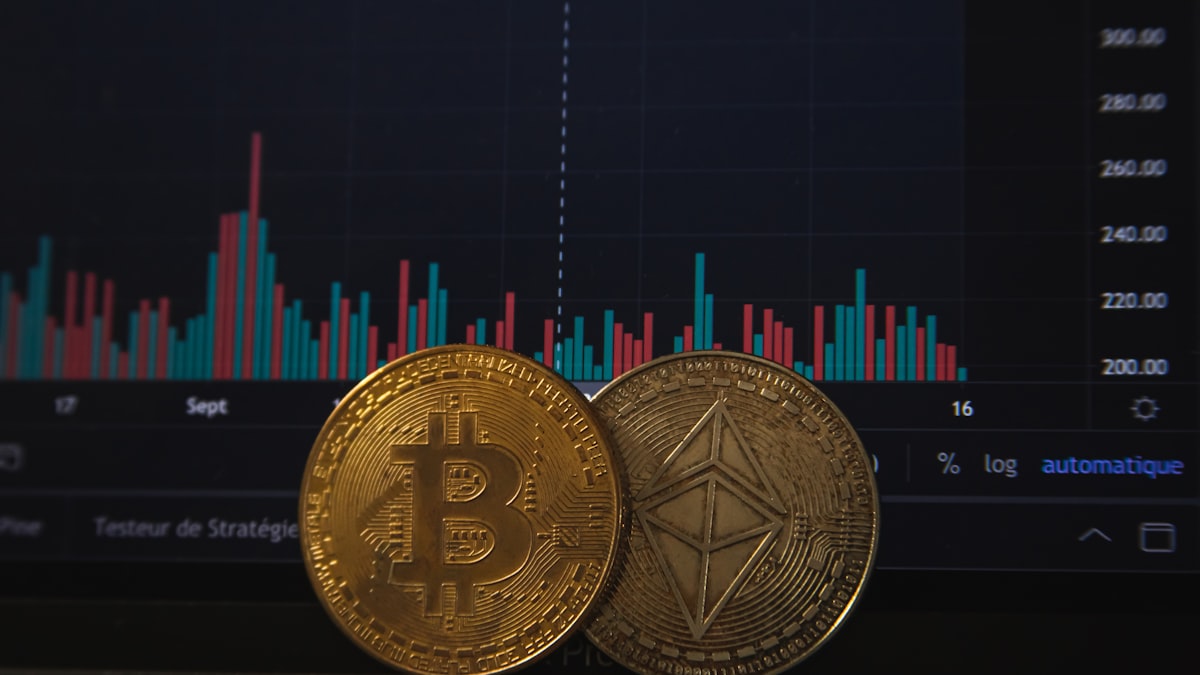
Bitcoin faces mounting headwinds in the near term as market participants navigate a challenging landscape characterized by diminishing liquidity and shifting institutional interest. Recent analysis from major derivatives trading desks suggests the leading cryptocurrency may struggle to maintain current price levels without fresh catalysts to stimulate buyer participation.
The current technical picture reveals vulnerability in Bitcoin’s immediate trading range, with analysts pointing to potential downside movement toward the mid-$59,000 level should market conditions deteriorate further. This assessment comes as several structural factors combine to create unfavorable conditions for sustained price appreciation. Most notably, the absence of significant new demand from spot exchange-traded funds—which have been instrumental in driving rallies throughout the past year—represents a critical void in the bullish narrative.
Correlation metrics across digital assets have risen substantially, indicating that Bitcoin is increasingly moving in lockstep with broader cryptocurrency holdings rather than demonstrating independent strength. This synchronized movement typically emerges during periods of uncertainty, when risk appetite declines across multiple markets. When correlations rise, the diversification benefits that many investors seek through multi-asset crypto portfolios diminish considerably, potentially prompting rebalancing and liquidation activity.
Market microstructure data from active trading venues shows order book depth has contracted meaningfully in recent sessions, a concerning sign that suggests fewer buyers are willing to absorb selling pressure at current valuations. Liquidity conditions have deteriorated to levels not seen since previous consolidation periods, according to exchange monitoring services. This thinning of available liquidity means that even moderate selling activity could trigger cascading price declines as stop-loss orders execute and margin traders face forced liquidations.
The implications extend beyond price action alone. Deteriorating market conditions often precede periods of heightened volatility, which can create both risks and opportunities for traders and investors. Options markets are pricing in elevated uncertainty, with implied volatility surfaces steepening across key expiration dates. For long-term holders, such periods typically represent accumulation opportunities, though patience is required before market sentiment stabilizes.
Looking ahead, market participants will closely monitor whether institutional capital returns to stabilize valuations or whether weakness extends further. Key support levels require attention, as breaks below established trading ranges often accelerate selling momentum. The cryptocurrency market awaits fresh catalysts—whether regulatory clarity, macroeconomic developments, or renewed institutional inflows—to restore conviction among market participants and restore stability to price discovery mechanisms.
Source: Original Article