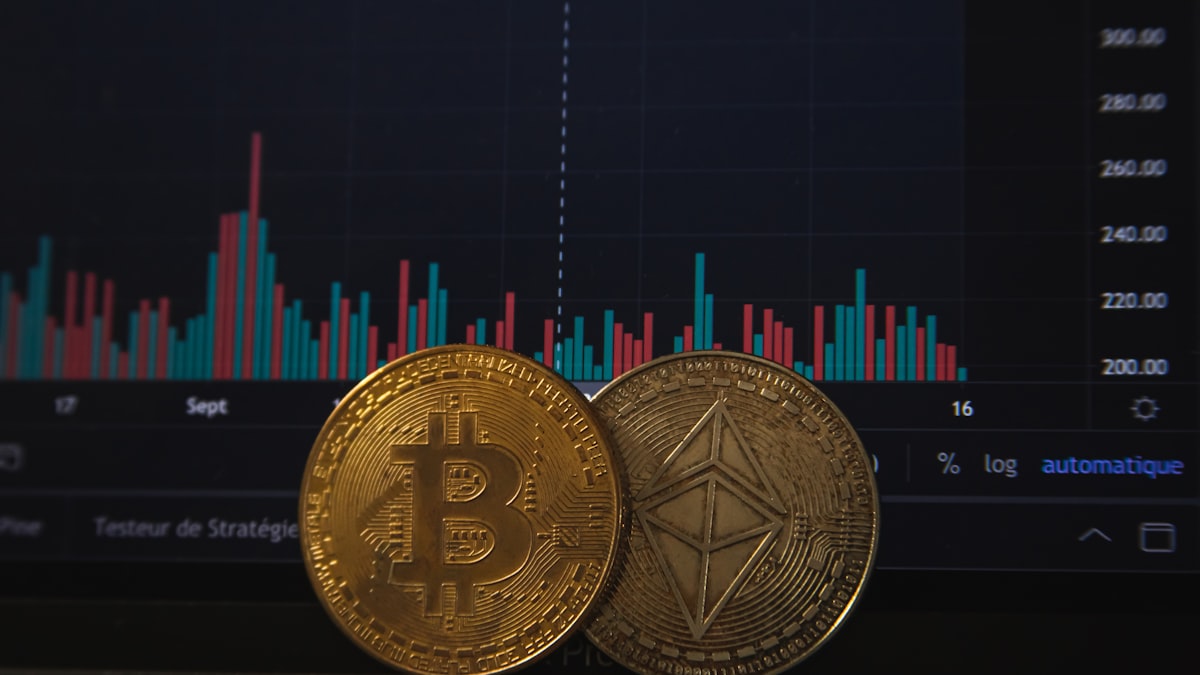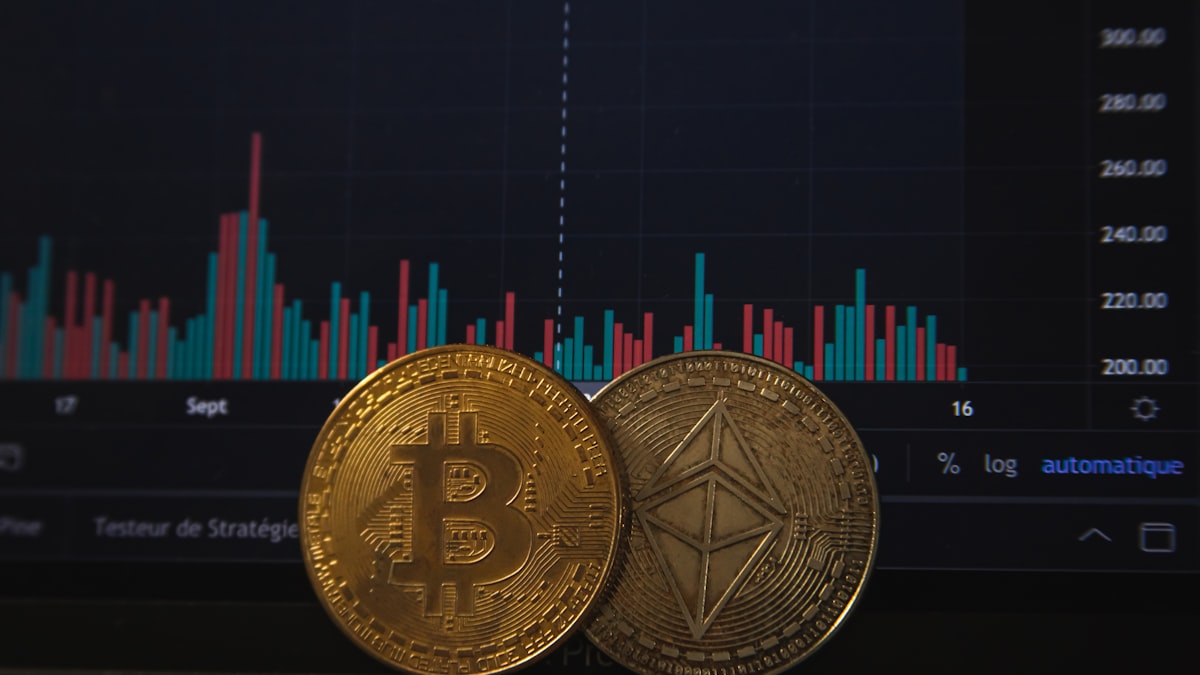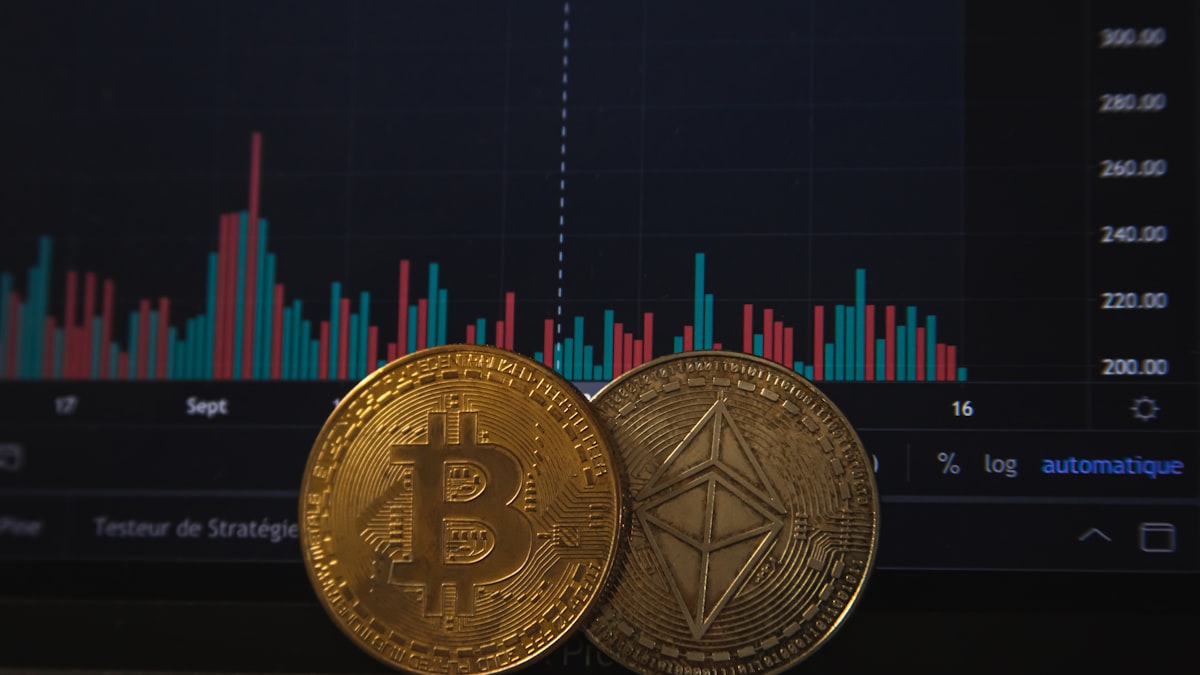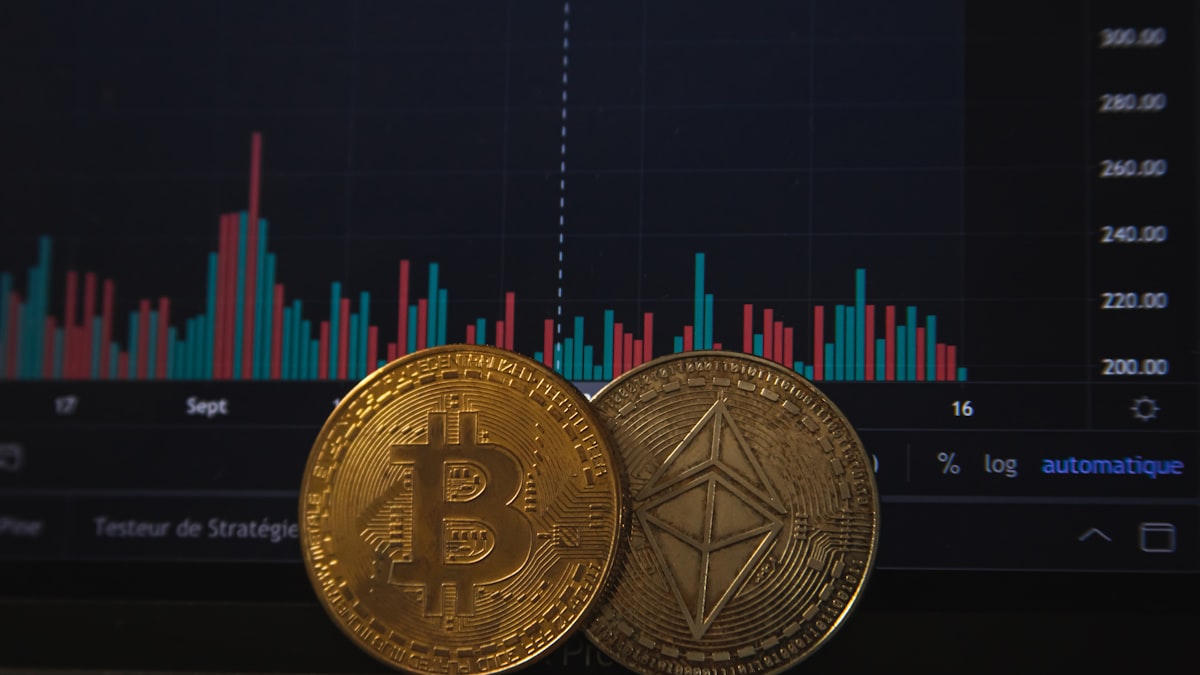
The cryptocurrency and commodities sectors are experiencing a notable correction this week, with Bitcoin and precious metals both declining sharply as market participants reassess their positions in light of anticipated monetary policy shifts. The broader retracement reflects a fundamental recalibration in how investors perceive assets traditionally viewed as safeguards against currency devaluation.
The catalyst for this downturn centers on strengthening expectations that the Federal Reserve will maintain elevated interest rates longer than previously anticipated. When central banks signal hawkish monetary stances, investors typically reduce exposure to non-yielding or low-yield assets. Both Bitcoin and precious metals like gold and silver fall into this category, making them particularly vulnerable during periods of rising real interest rates. The inverse relationship between rate expectations and these alternative assets has become increasingly evident as traders digest commentary from Fed officials and economic data releases suggesting resilience in the labor market and persistent inflation concerns.
What makes this development noteworthy for the crypto community is the broader narrative it challenges. Throughout the preceding months, many analysts promoted Bitcoin and other digital assets as effective inflation hedges—part of what traders commonly refer to as the “debasement trade.” This thesis suggested that aggressive monetary expansion and currency depreciation would drive investors toward Bitcoin’s fixed supply model. However, the current market dynamics reveal that when actual rate hikes materialize or appear imminent, the immediate trading response often prioritizes yield-bearing instruments over speculative inflation hedges. Investors facing higher costs of capital naturally gravitate toward assets offering tangible returns, creating headwinds for zero-coupon assets.
The implications extend beyond simple price movements. This correction serves as a reminder that cryptocurrency valuations remain partially tethered to macroeconomic conditions and Federal Reserve policy decisions. While Bitcoin proponents argue the digital asset operates independently of traditional financial systems, markets consistently demonstrate that correlation with macro factors persists during significant directional moves. Portfolio managers managing both traditional and digital asset allocations must navigate these complex interdependencies.
Looking ahead, the cryptocurrency market’s trajectory likely hinges on whether the Fed maintains its current policy path or signals eventual rate cuts. Should officials suggest future accommodation, recovery could materialize relatively quickly, given how rapidly sentiment shifts in crypto markets. Conversely, if economic data warrants sustained high rates, additional downside pressure may emerge. Meanwhile, traders should monitor technical support levels for Bitcoin and prepare for potential volatility as markets continue processing monetary policy implications throughout the quarter.
Source: Original Article