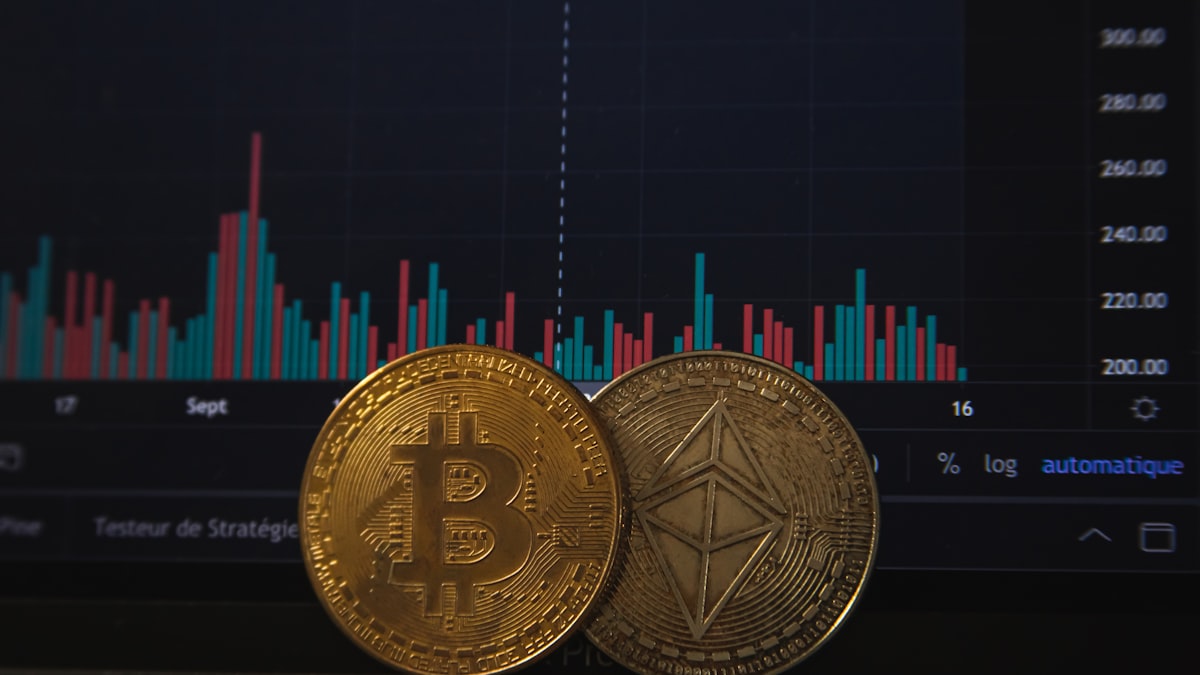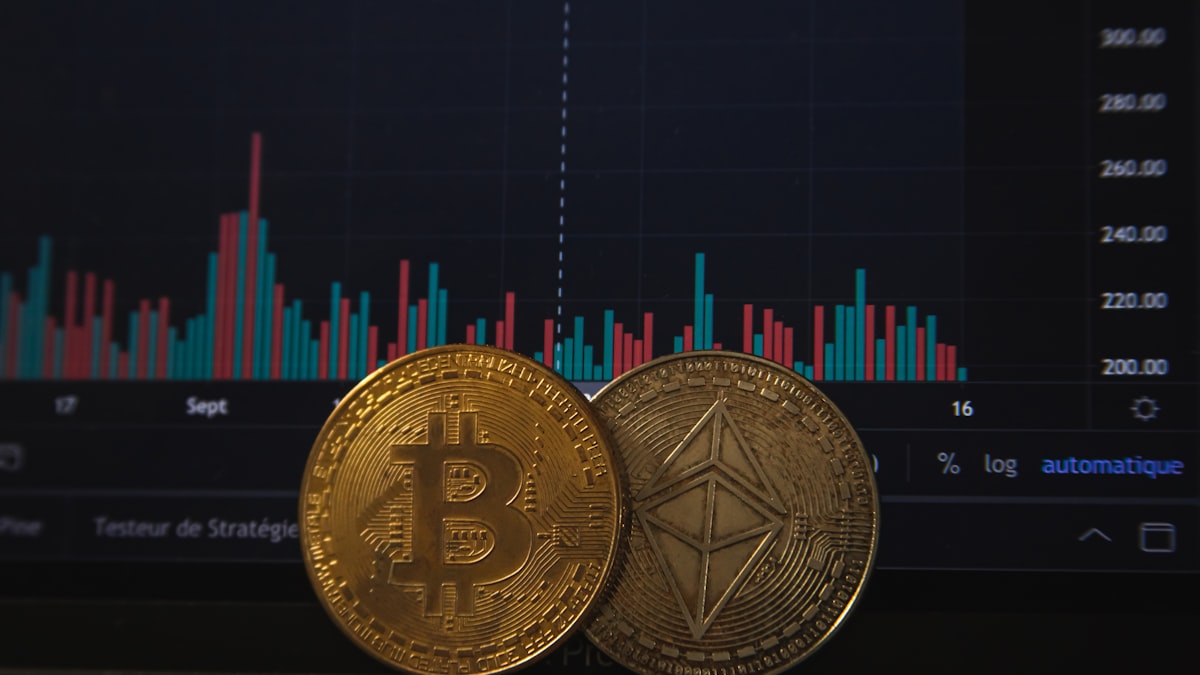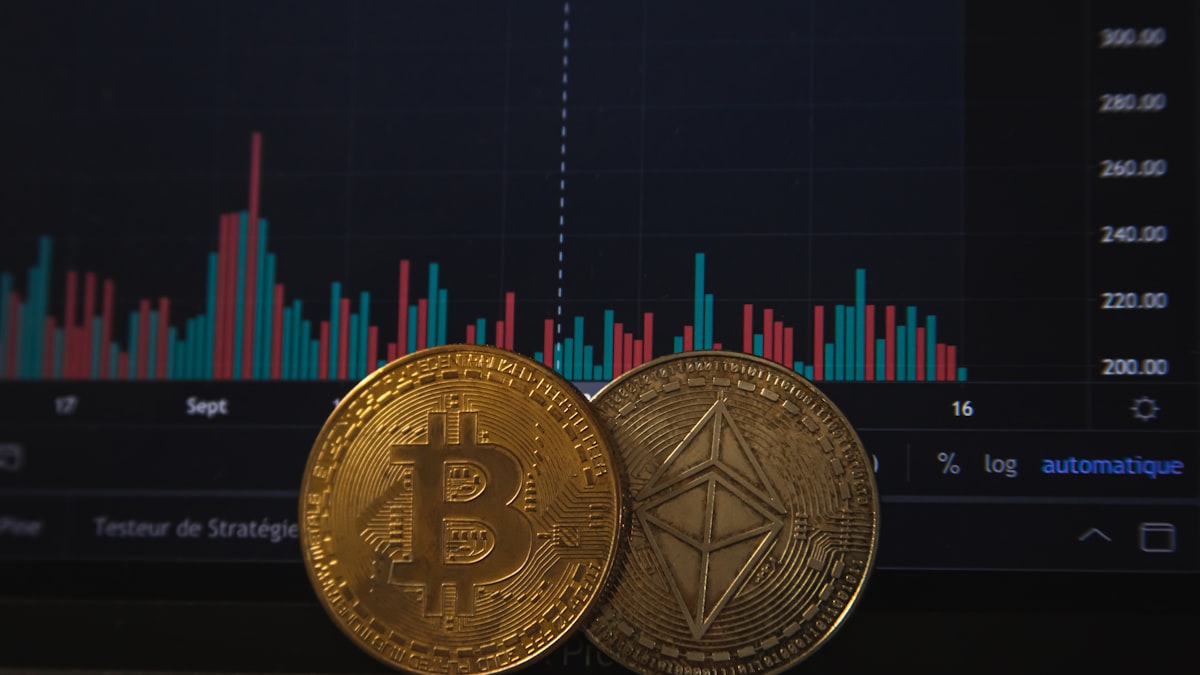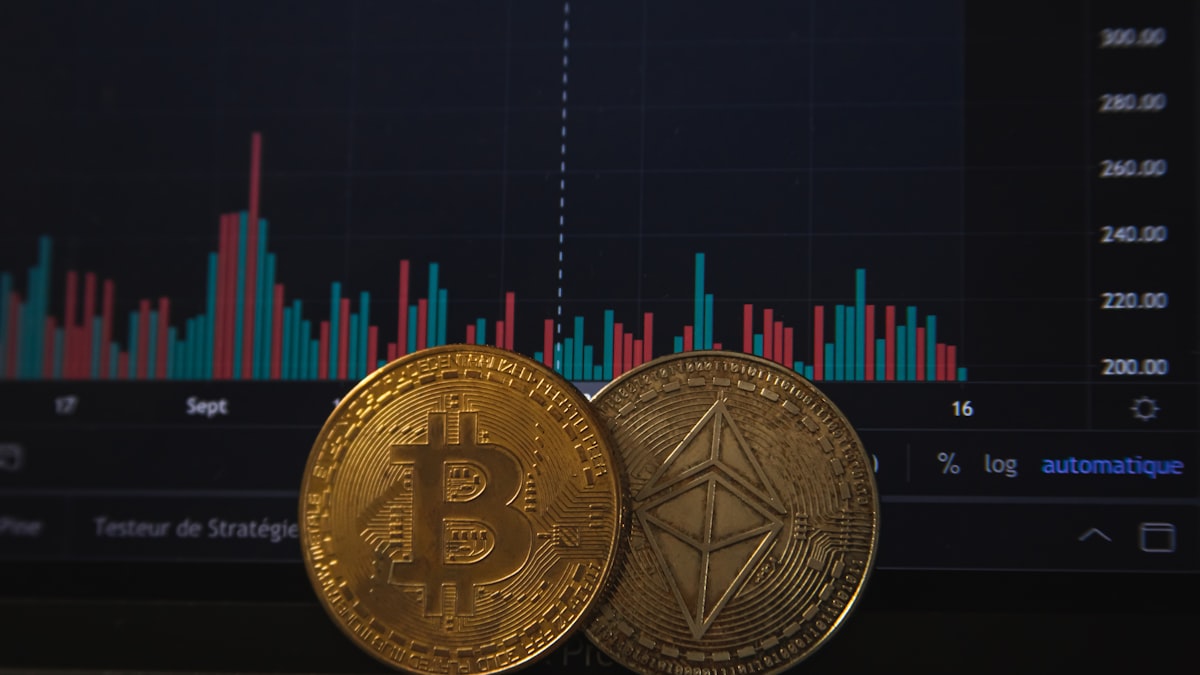
The cryptocurrency market is experiencing heightened selling pressure, with Bitcoin and Ethereum approaching their lowest valuations recorded throughout 2024. This bearish movement has prompted sophisticated traders to significantly increase their hedging positions, signaling growing apprehension about further downside risk in the near term.
Optionsmarket data reveals a notable shift in trader sentiment, with call-to-put ratios swinging decisively toward protective strategies. Market participants are demonstrating willingness to pay premium prices for downside insurance, a classic indicator of elevated uncertainty. This defensive positioning typically emerges when investors anticipate volatility spikes or sustained price declines. The elevated cost of put options relative to calls suggests that institutions view current price levels as vulnerable to substantial corrections. Such protective buying often precedes periods of market capitulation, though it can also reflect temporary panic-driven reactions.
Decentralized finance tokens have emerged as particularly weak performers during this downturn, experiencing sharper percentage losses compared to major cryptocurrencies. The DeFi sector’s sensitivity to market cycles—stemming from leveraged positions and yield farming activities—has amplified losses across governance and utility tokens. Conversely, select altcoins including Stellar Lumens (XLM) and Litecoin (LIT) have demonstrated relative strength, maintaining modest gains or demonstrating less severe drawdowns. This divergence underscores the importance of portfolio diversification during periods of broad-based weakness, as not all digital assets respond identically to macroeconomic headwinds.
The technical picture suggests Bitcoin remains vulnerable, with critical support zones now firmly in focus for traders monitoring key price levels. Historical support areas often trigger automated selling as stop-losses execute, potentially accelerating downward momentum. However, support zones also attract buyers seeking favorable entry points following significant declines. The interplay between these two forces will likely determine whether current weakness represents a temporary consolidation or the beginning of a more severe correction. Market analysts are monitoring several macroeconomic factors, including inflation data, interest rate expectations, and traditional stock market performance, all of which influence cryptocurrency risk sentiment. As institutional capital becomes increasingly sensitive to regulatory developments and economic conditions, on-chain data and derivatives markets offer valuable insights into positioning and conviction levels among sophisticated market participants.
Source: Original Article