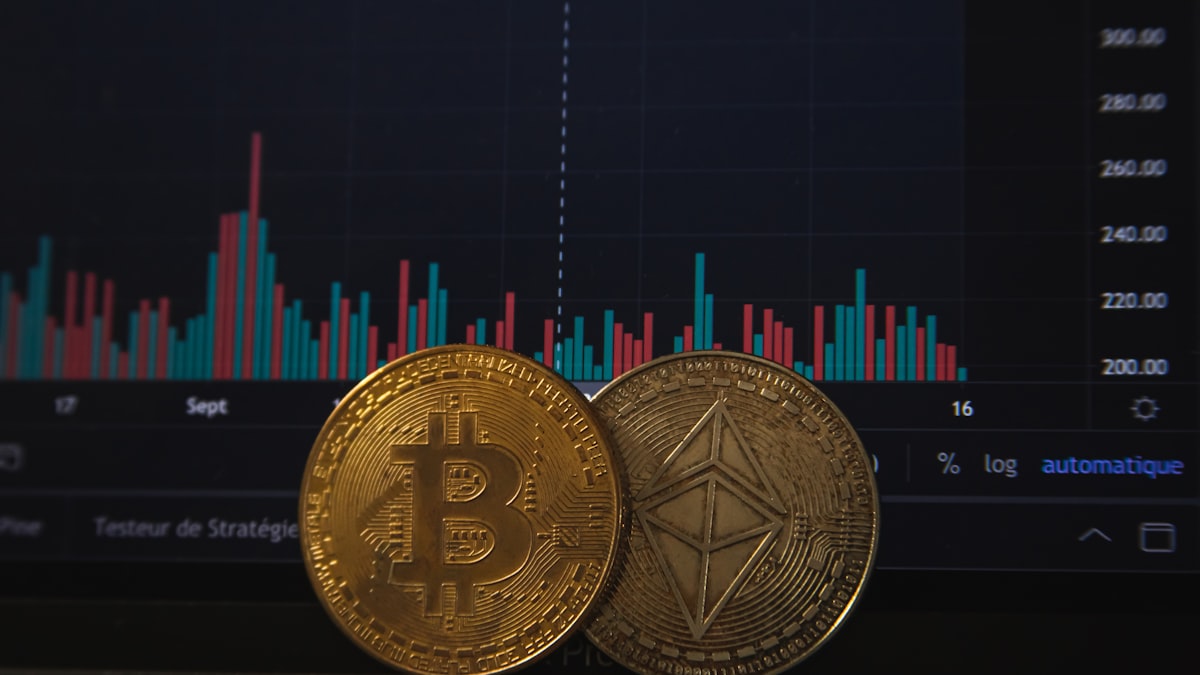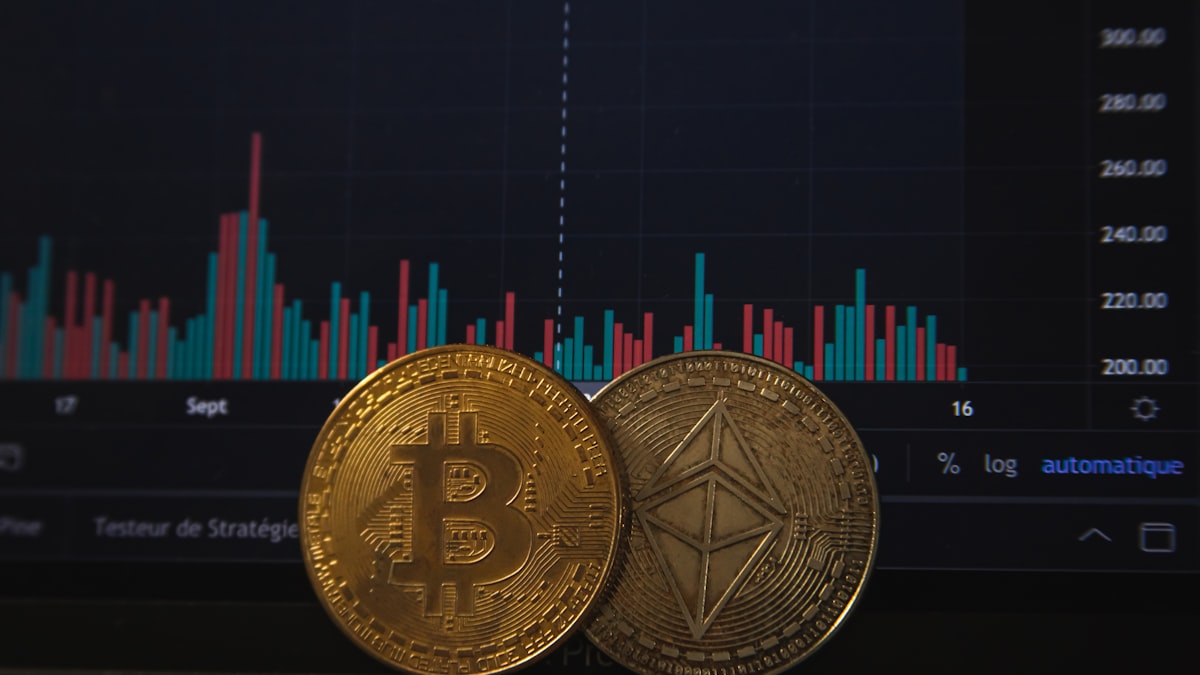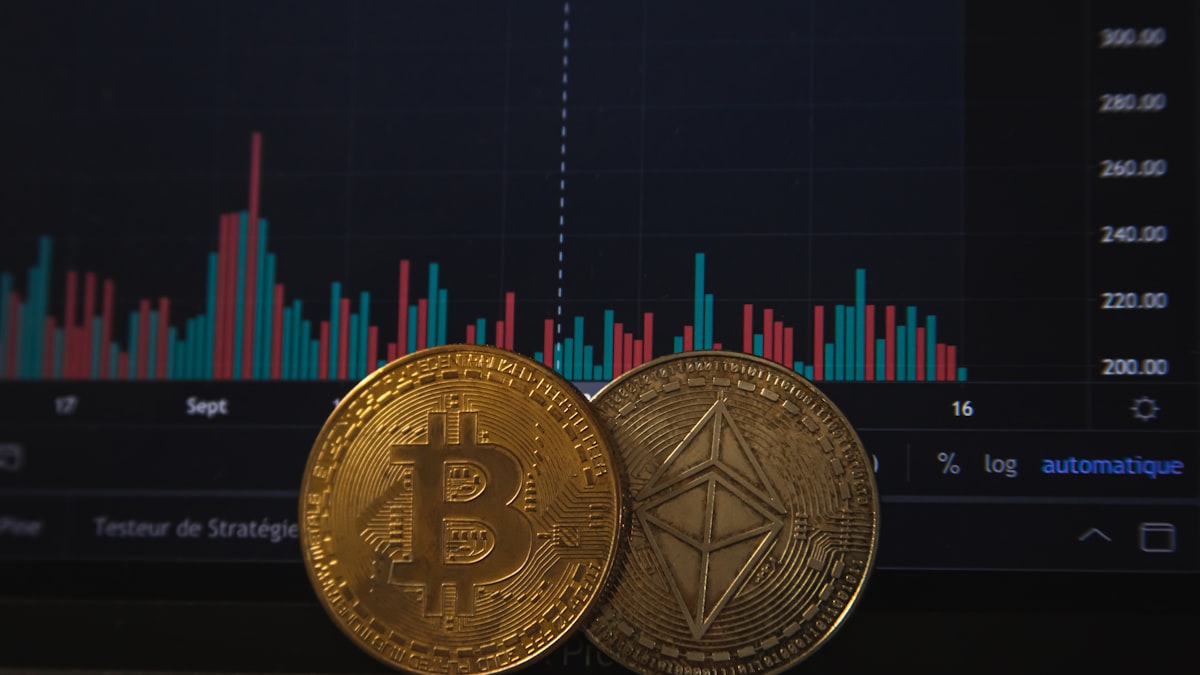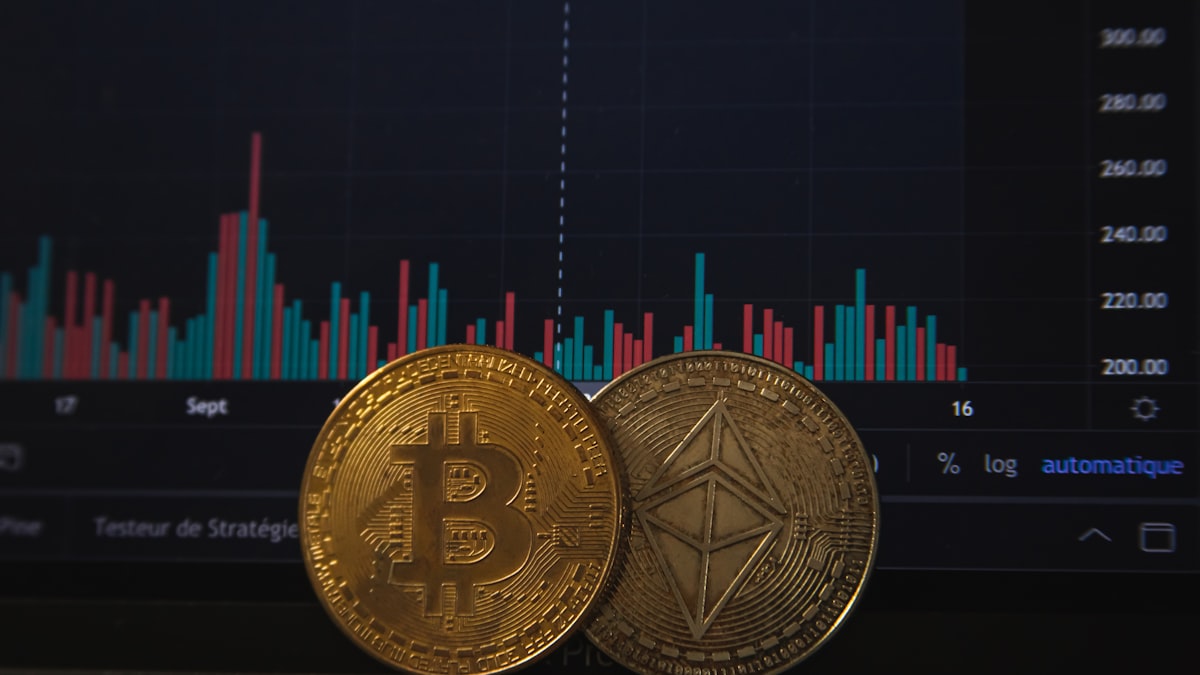
The cryptocurrency market has experienced a notable retreat this week as geopolitical tensions between the United States and Iran intensify, creating a divergence in how investors perceive digital assets during periods of global uncertainty.
Over the past 24 hours, Bitcoin and most major altcoins have declined in value while crude oil prices surged higher, reflecting classic risk-off sentiment spreading across financial markets. The escalation includes reported military actions that have reignited concerns about regional stability and potential economic disruptions. Energy markets immediately responded to these developments, with oil futures climbing as traders priced in supply chain risks and potential disruptions to Middle Eastern petroleum exports.
What makes this latest market movement particularly noteworthy is how it reveals evolving perspectives on cryptocurrency’s role as a hedge against geopolitical turbulence. Historically, Bitcoin has been marketed as “digital gold”—a value store independent from government interference and traditional financial systems. However, during acute periods of international conflict, institutional and retail investors alike have demonstrated a preference for proven safe-haven assets. Crude oil’s strength reflects genuine concerns about supply disruptions, while gold’s traditional appeal remains intact. Cryptocurrencies, by contrast, have yet to achieve widespread recognition as crisis-resistant instruments among risk-averse capital allocators.
Analysts point to several factors explaining this divergence. First, the crypto market remains heavily influenced by broader risk sentiment; when uncertainty spikes, leveraged positions often trigger liquidations across digital asset exchanges. Second, institutional investors managing large portfolios typically rotate toward uncorrelated assets during geopolitical shocks—traditionally bonds, precious metals, and energy commodities rather than cryptocurrency. Third, the crypto space’s relatively recent emergence and ongoing regulatory scrutiny make it a less comfortable destination for conservative capital seeking portfolio stability.
The current pullback presents an interesting case study for the digital asset industry. If cryptocurrencies aspire to become mainstream financial instruments, they must eventually demonstrate resilience during genuine systemic stress events. This requires broader institutional adoption, improved market infrastructure, and a cultural shift toward viewing crypto as a legitimate portfolio diversifier rather than a speculative vehicle.
Market observers will be watching closely to see whether current price declines represent a temporary reaction or signal deeper concerns about cryptocurrency valuations. Bitcoin remains within its broader trading range despite recent weakness, suggesting consolidation rather than capitulation. Altcoins have experienced more pronounced losses, indicating that risk appetite destruction disproportionately affects higher-beta assets.
The coming days will prove critical for sentiment recovery. If geopolitical tensions ease without triggering broader economic disruption, cryptocurrency markets could quickly reverse course. Conversely, any escalation could extend the current weakness as traditional safe havens continue attracting defensive positioning from global investors.
Source: Original Article