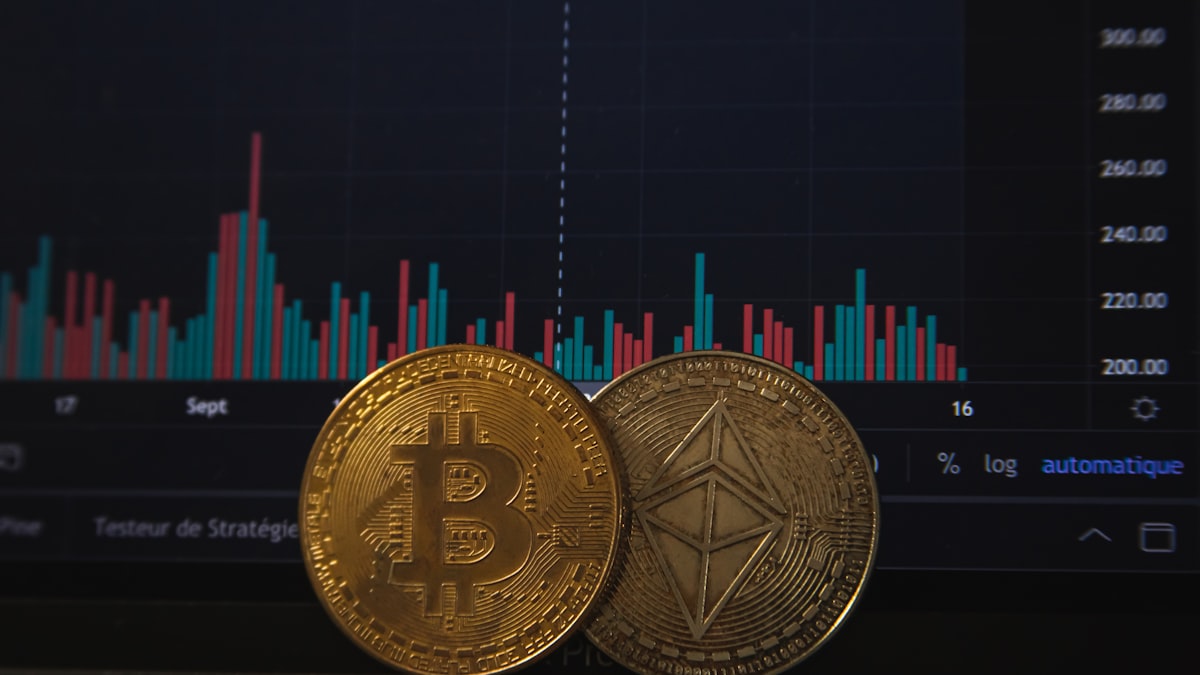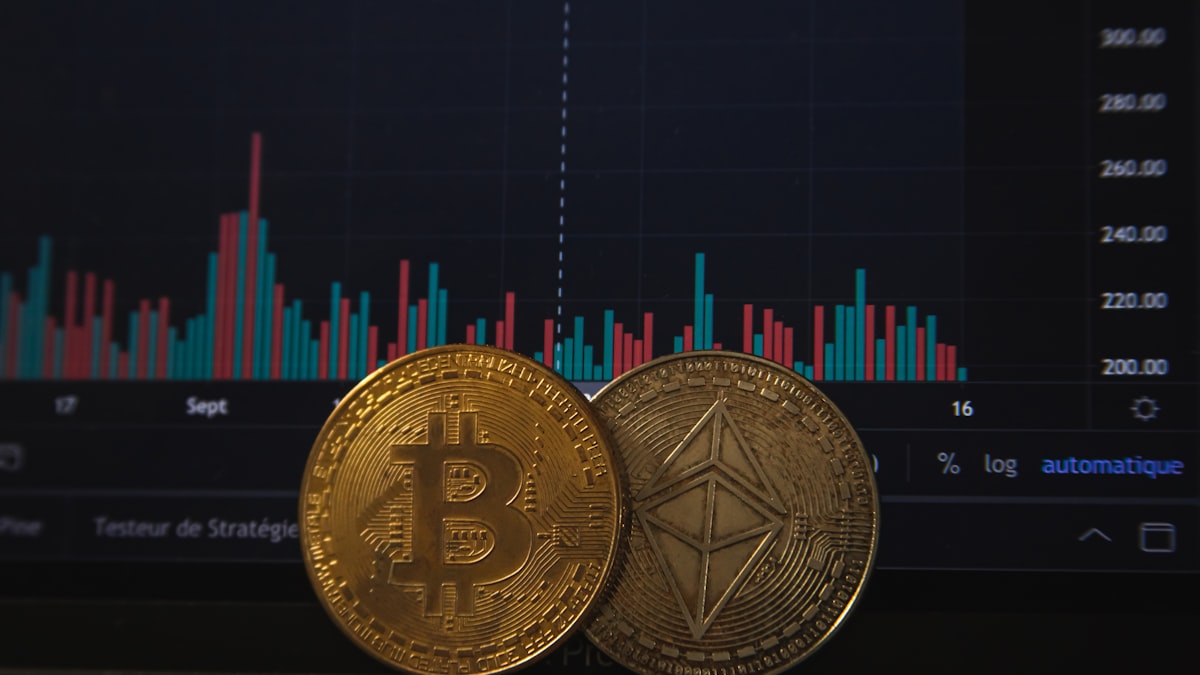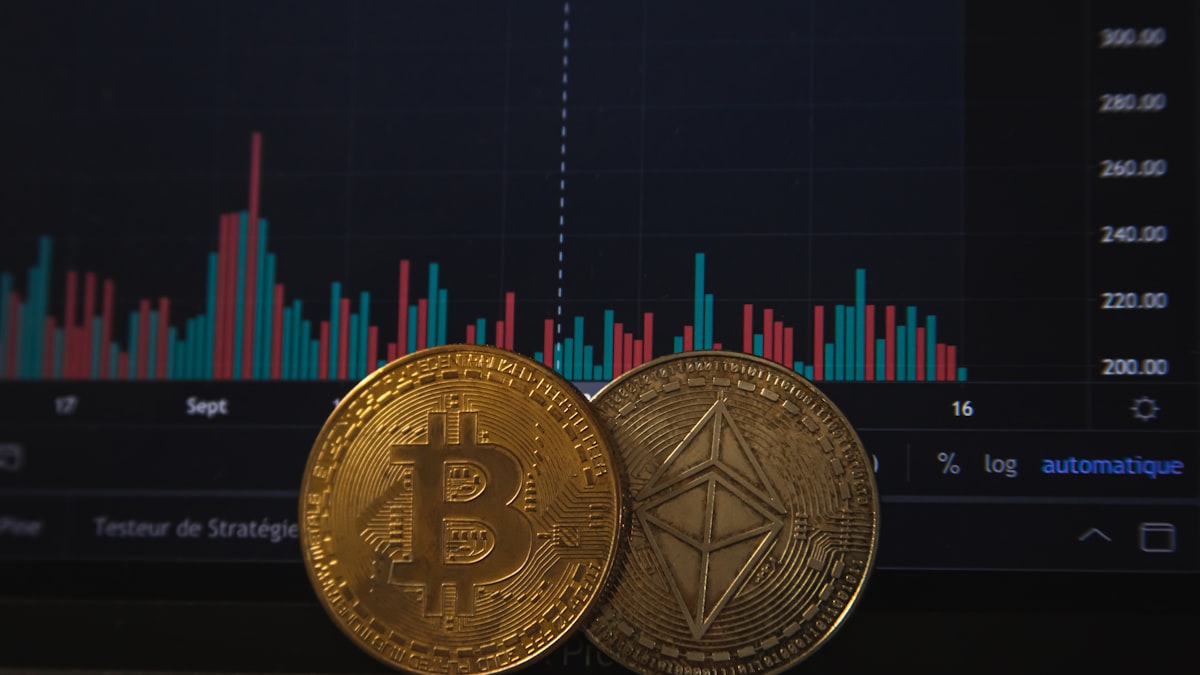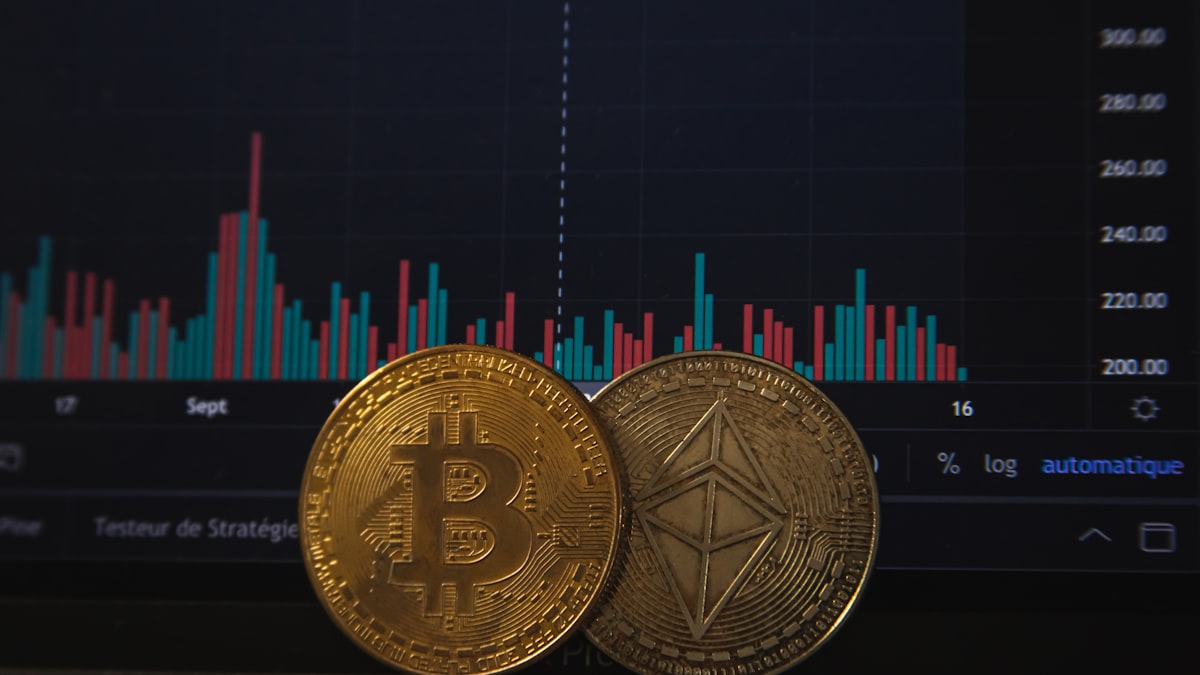
The cryptocurrency market continues to surprise analysts as Bitcoin demonstrates a striking inverse movement against the USD/JPY currency pair, with correlation metrics reaching -0.90 over the past year. This pronounced negative relationship contradicts long-held theories about how digital assets respond to traditional currency market pressures, particularly those surrounding the controversial carry trade phenomenon.
Historically, market observers theorized that Bitcoin would move in tandem with currency trades funded by cheap Japanese yen borrowing. The logic seemed sound: when the yen strengthens, traders typically unwind leveraged positions, prompting broader asset selloffs including cryptocurrencies. However, the latest correlation data suggests Bitcoin is responding to entirely different macroeconomic signals or operating within its own distinct market framework.
The -0.90 reading indicates an almost perfect inverse relationship, meaning Bitcoin’s gains correspond almost exactly with yen appreciation against the dollar. This raises important questions about what’s actually driving Bitcoin’s price action. Rather than passive participation in yen-funded leverage unwinding, Bitcoin appears to be responding to the underlying factors causing yen strength—likely including risk sentiment shifts, interest rate differentials, and safe-haven flows that benefit both the Japanese currency and, counterintuitively, digital assets.
Market participants should recognize several implications from this observation. First, Bitcoin’s independence from traditional carry trade dynamics suggests the asset class has matured beyond simple leverage-driven correlations. Second, the strong inverse relationship might indicate that Bitcoin is increasingly perceived as a hedge against specific macro conditions—such as dollar weakness or shifting global monetary policy—rather than a carry-trade byproduct. Third, this pattern challenges simplistic narratives linking crypto volatility solely to unwinding Japanese yen positions, a theory that gained prominence during previous market turbulence.
The data also prompts analysis of whether Bitcoin’s correlation with USD/JPY reflects deeper shifts in how institutional investors allocate capital. As central banks navigate inflation concerns and growth challenges, traditional safe havens like the yen compete with emerging alternatives. Bitcoin’s inverse movement could signal growing acceptance as a non-traditional diversifier among sophisticated investors hedging currency and inflation risks.
Looking ahead, monitoring this correlation will prove essential for understanding Bitcoin’s true market drivers. If the relationship persists, it suggests Bitcoin’s price movement stems from macroeconomic fundamentals rather than technical leverage dynamics. Conversely, any breakdown in this pattern might indicate shifting market structure or changing investor behavior. For crypto traders and institutional players alike, this metric deserves attention alongside traditional indicators, offering a fresh lens through which to evaluate Bitcoin’s role within modern portfolio construction and global market interactions.
Source: Original Article