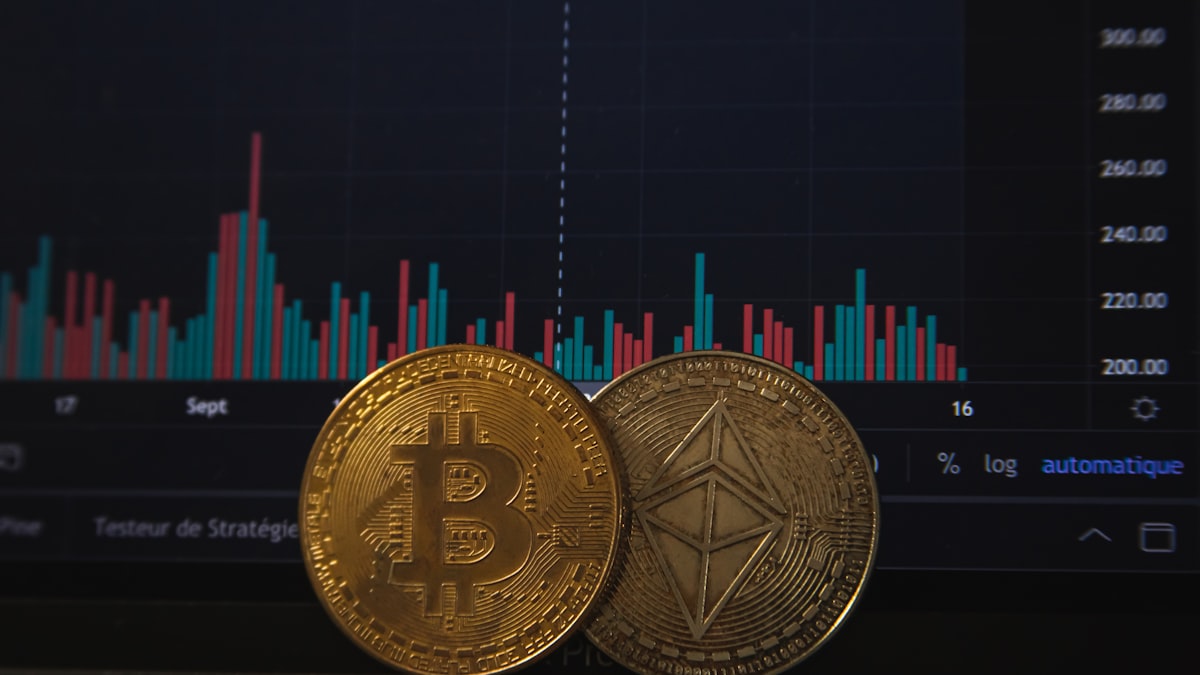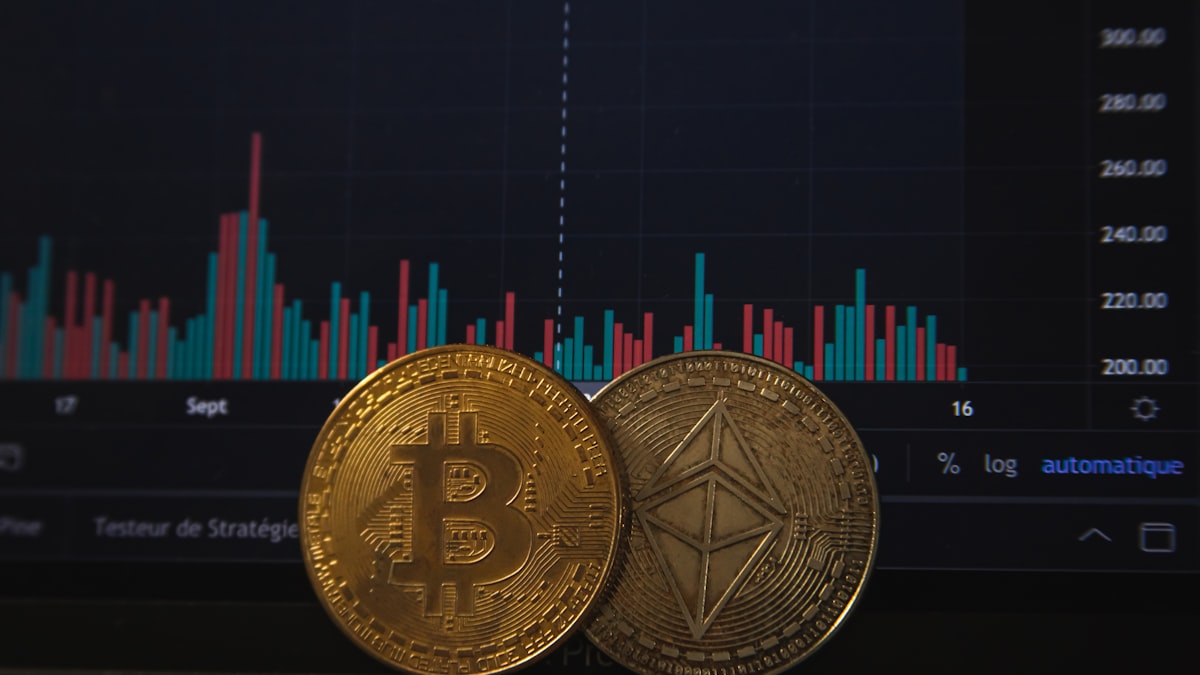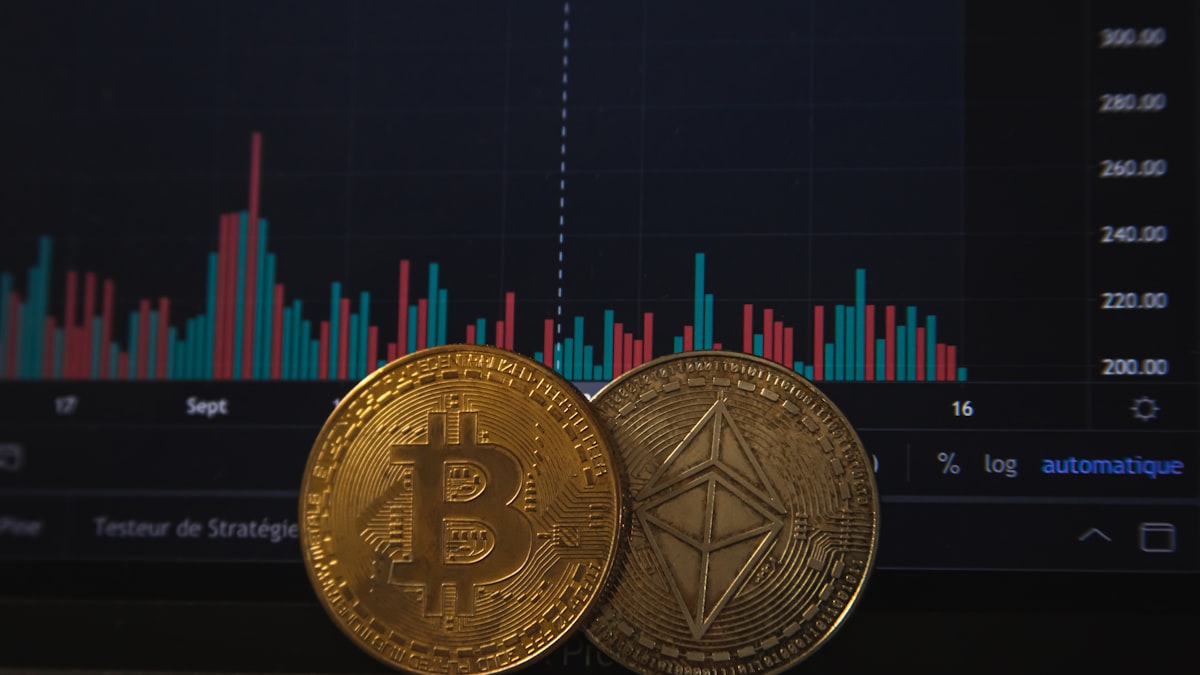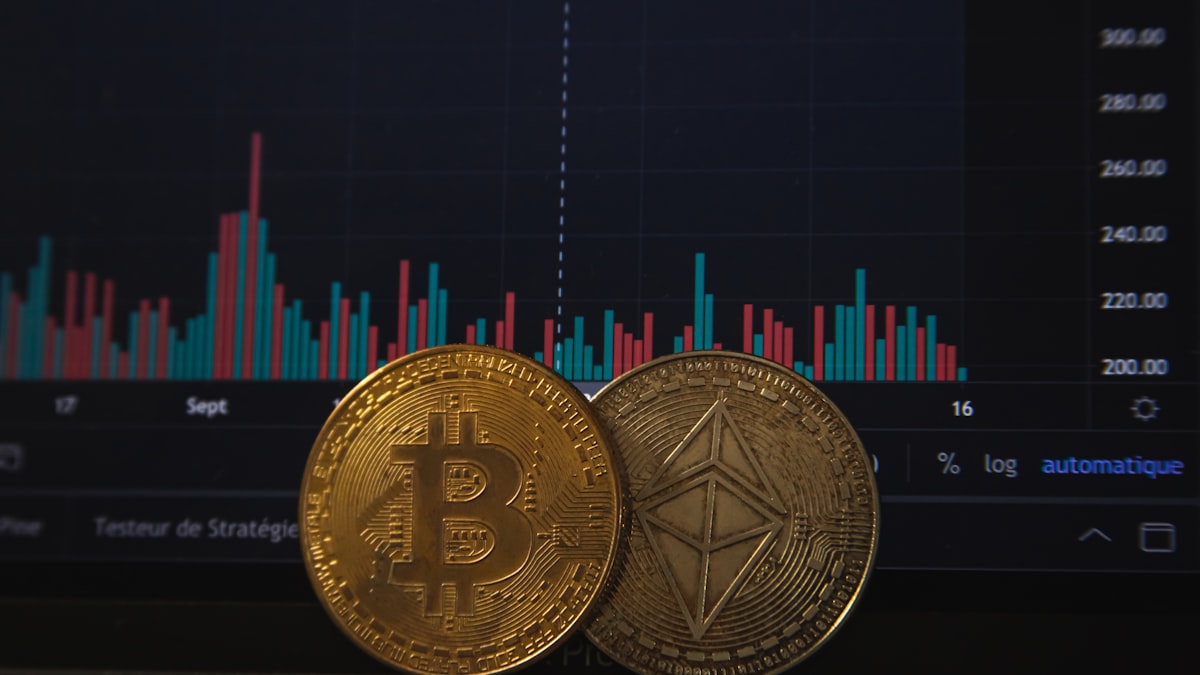
The Bitcoin market is displaying troubling signals of potential capitulation, with substantial cryptocurrency transfers to exchange wallets suggesting investors may be preparing to liquidate positions at unfavorable prices. On-chain monitoring platforms have detected nearly 50,000 BTC flowing into trading venues, a development that historically precedes major sell-offs and price downturns.
This accumulation of Bitcoin on exchanges coincides with deteriorating sentiment metrics among retail investors. The Short-Term Holder MVRV (Mean Value Realized Price) ratio—a key indicator measuring whether short-term participants are holding at profits or losses—has reached levels not observed since the market downturn of 2022. When this metric approaches extreme negative territory, it typically indicates that newer market entrants are deeply underwater on their positions, often forcing panic selling as psychological pressure mounts.
The timing of these developments raises important questions about market direction. Bitcoin’s persistent struggle to maintain strongholds above key technical levels, combined with macroeconomic headwinds including persistent inflation concerns and potential monetary policy shifts, has created an environment where risk aversion dominates investor behavior. The movement of such substantial quantities toward exchanges—rather than into long-term storage solutions like cold wallets—suggests participants are positioning for potential exits rather than accumulation strategies.
Market analysts note that capitulation events, while painful in the short term, occasionally represent necessary cleansing periods that reset valuations and eliminate speculative excess. However, the current convergence of multiple bearish indicators warrants caution. The exchange inflow data combined with extreme stress readings among retail holders creates a scenario where cascading sell orders could trigger additional downside, particularly if Bitcoin breaks through established support zones.
Institutional players appear to be maintaining relative composure, but their behavior during previous capitulation phases suggests they may begin deploying capital selectively once panic selling exhausts itself. This dynamic—where retail exhaustion precedes institutional accumulation—has characterized several important market bottoms throughout Bitcoin’s history.
For traders and investors, the current environment demands careful risk management. Stop-loss orders, position sizing discipline, and recognition of one’s personal risk tolerance become paramount when capitulation signals flash red. While capitulation doesn’t guarantee immediate recovery, it does signal that maximum pessimism may be approaching—a condition that has historically preceded significant rallies once the emotional selling pressure subsides.
Source: Original Article