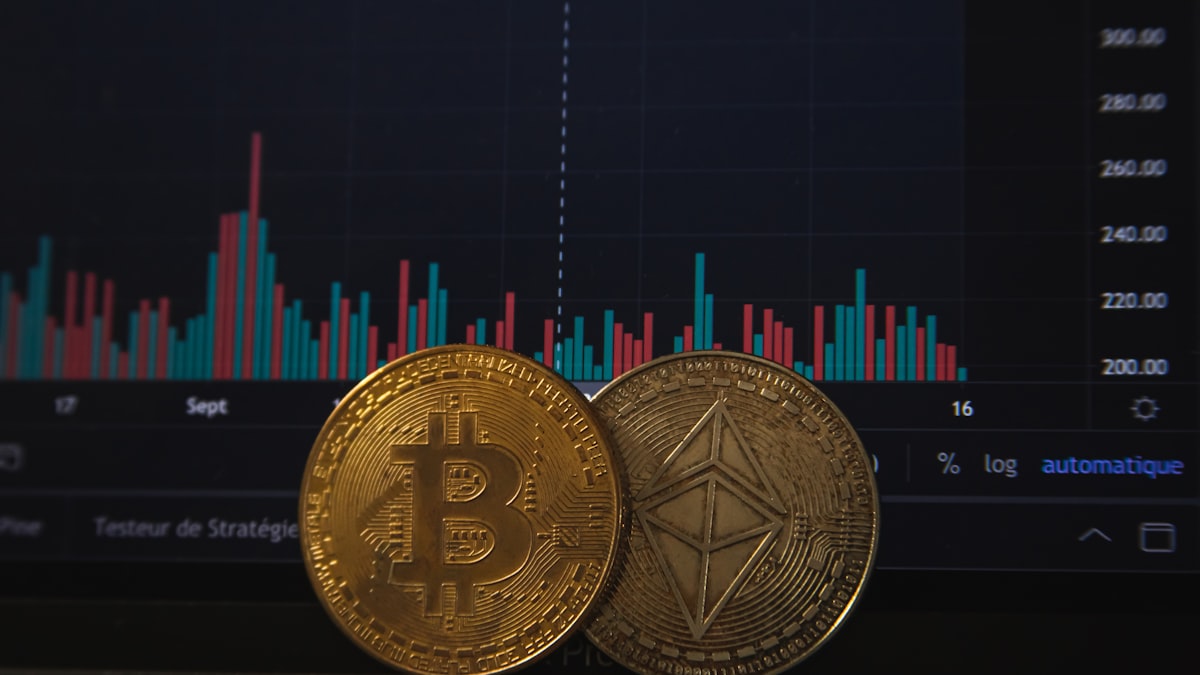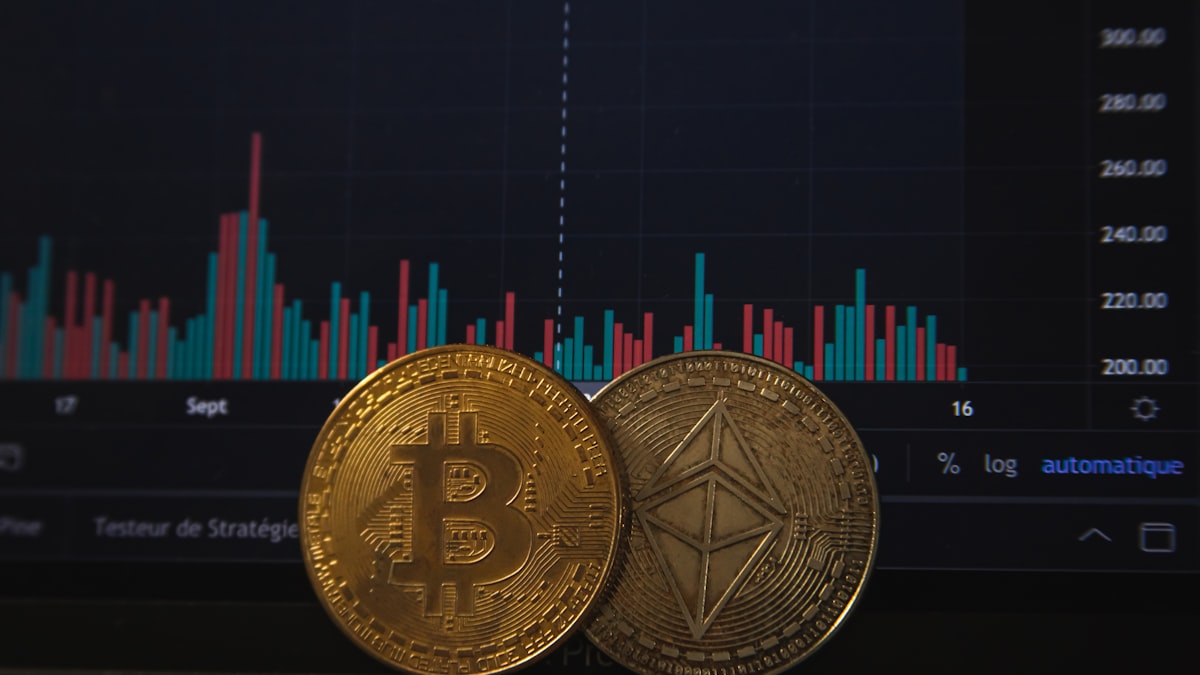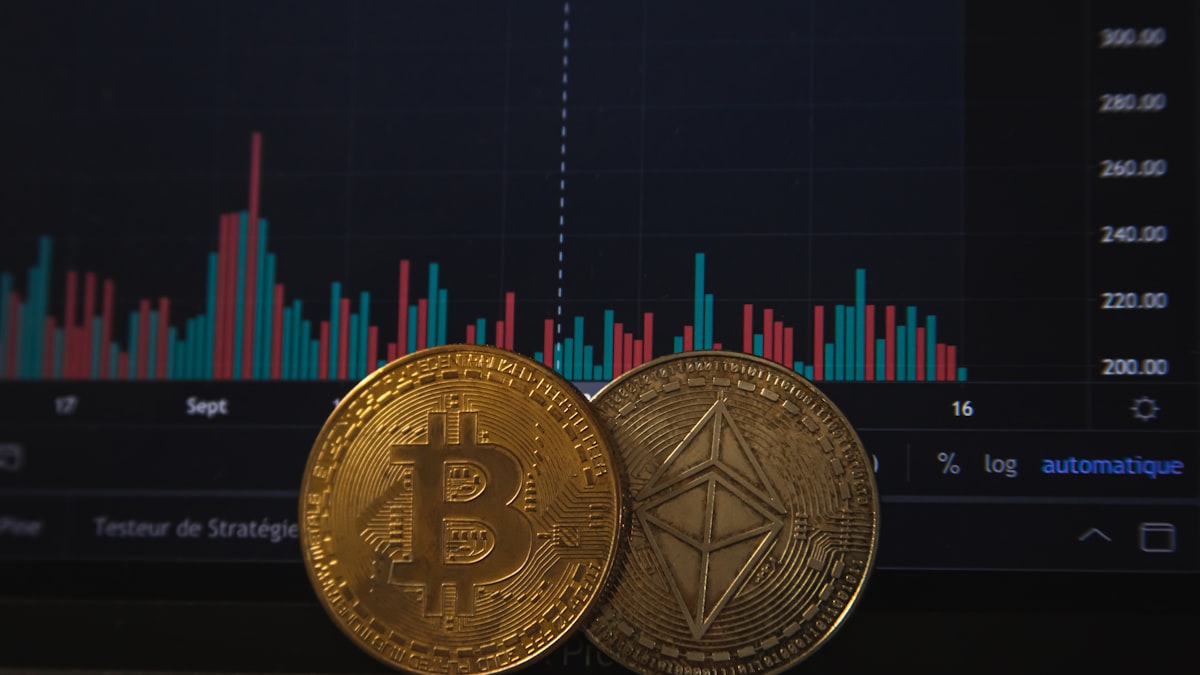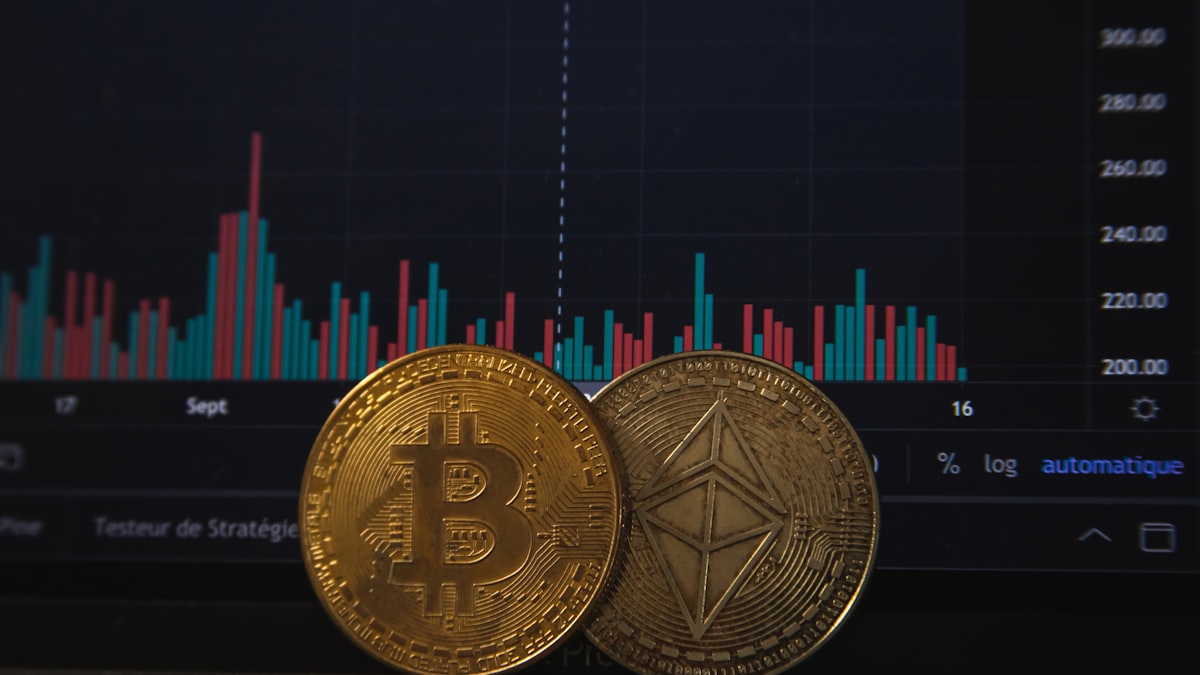
The cryptocurrency market endured a significant downturn during today’s trading session, with Bitcoin and Ethereum suffering substantial losses amid a cascade of liquidations that exceeded $1 billion across major exchanges. The digital asset class, which has increasingly moved in tandem with semiconductor and artificial intelligence-related equities, found itself caught in a broader market correction that momentarily pushed Bitcoin to valuations not seen since early June.
The liquidation cascade appeared triggered by sudden volatility and margin compression across multiple trading platforms. As leveraged positions unwound, sell pressure intensified, creating a feedback loop that accelerated downward price movement. Bitcoin descended toward $59,000-$60,000 levels, marking a notable retreat from recent highs. Ethereum followed suit with double-digit percentage declines, signaling broad-based weakness throughout the sector.
The turning point arrived as markets digested earnings reports from semiconductor giants Micron Technology and SK Hynix. Both companies delivered results that exceeded investor expectations, reinvigorating confidence in the artificial intelligence infrastructure narrative that has driven much of crypto’s recent performance. SK Hynix’s announcement regarding U.S. listing preparations particularly captured market attention, suggesting accelerating investment in chip manufacturing capacity—a cornerstone of AI development.
These positive developments proved sufficient to stabilize sentiment and prevent further deterioration in cryptocurrency valuations. The connection between traditional tech sector momentum and crypto markets has become increasingly pronounced throughout 2024, as blockchain assets continue evolving from standalone financial instruments into proxy trades for emerging technology trends. When semiconductor firms demonstrate strength, institutional capital flows back into digital assets perceived as beneficial to AI infrastructure expansion.
Market analysts attribute the heightened correlation to several factors: growing institutional participation treating crypto as a technology sector hedge, increased adoption of blockchain infrastructure by AI companies, and the maturation of digital asset derivatives markets that now mirror traditional equity volatility patterns. This interdependence creates both opportunities and risks, as positive catalyst in one sector can rapidly cascade through the other.
The episode underscores the importance of risk management protocols and position sizing in an environment where leverage remains abundant yet sentiment shifts rapidly. Traders who maintained conservative positioning weathered the volatility with minimal damage, while aggressive margin users faced forced liquidations. Going forward, participants should monitor semiconductor earnings calendars and AI spending trends alongside traditional cryptocurrency metrics, as macroeconomic factors increasingly influence digital asset direction.
As markets stabilize, the fundamental question remains whether cryptocurrency valuations can sustain current levels independent of technology sector tailwinds. Upcoming regulatory developments and Federal Reserve monetary policy decisions will likely prove equally consequential as hardware manufacturer earnings in determining crypto’s trajectory through the remainder of the trading year.
Source: Original Article