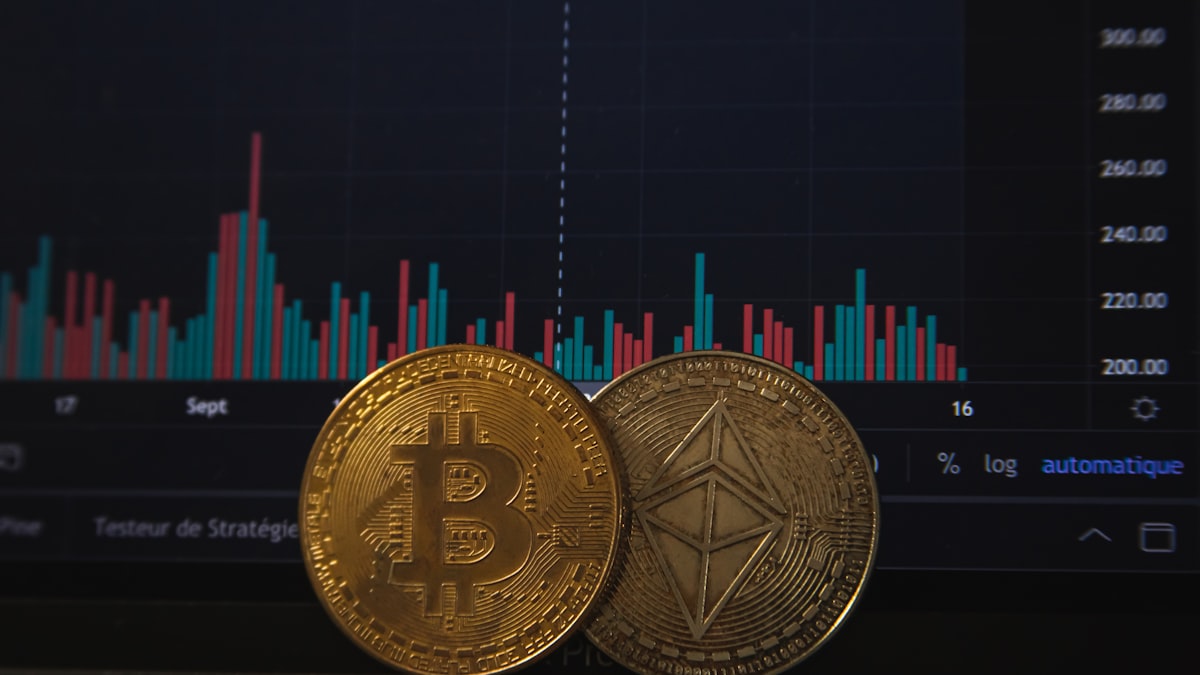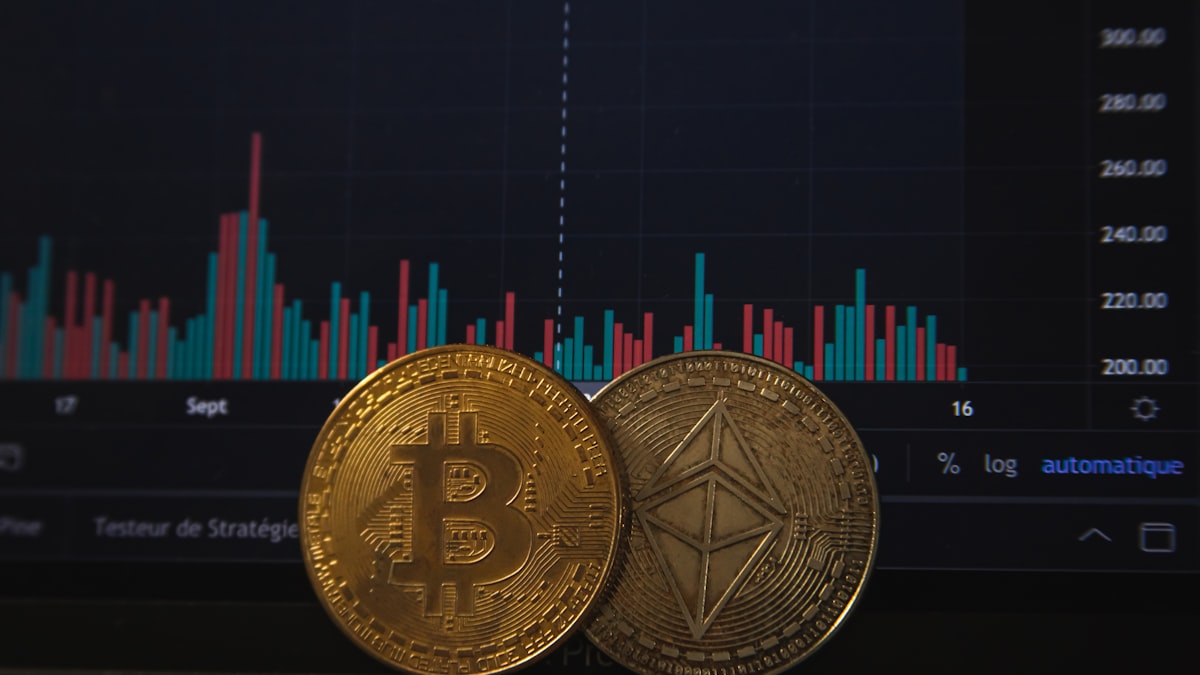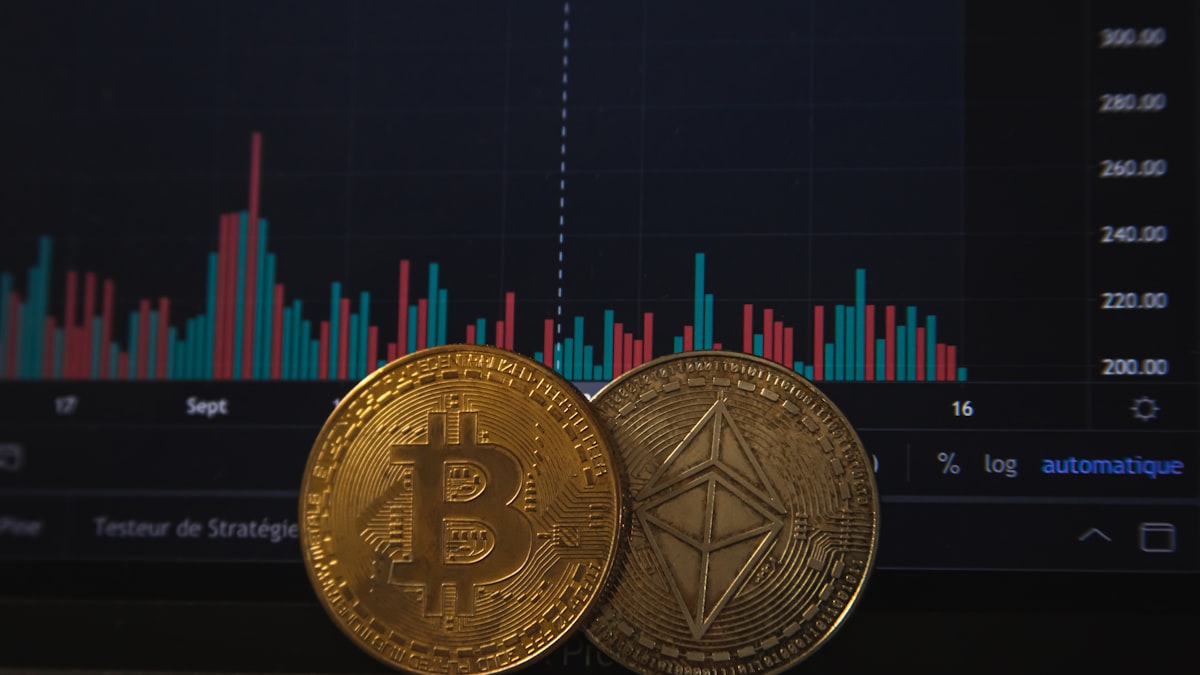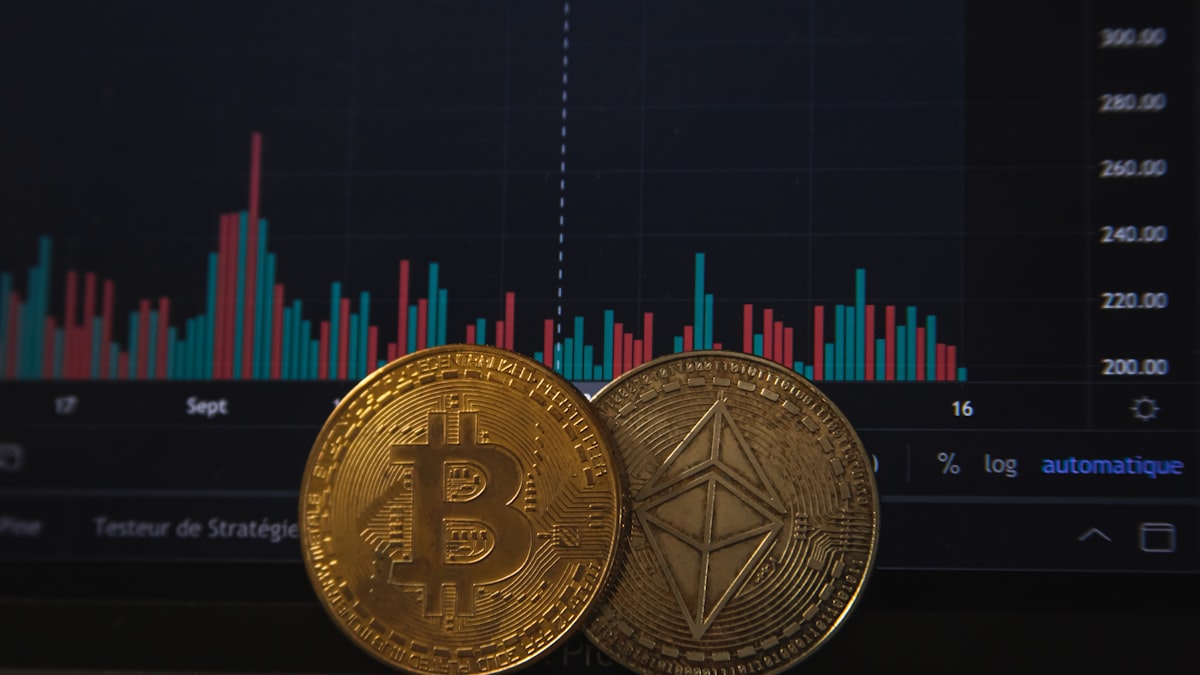
The cryptocurrency market entered the closing weeks of June 2026 nursing significant losses, with the first half of the year delivering disappointment to investors who had anticipated stronger performance. However, amid this challenging landscape, Bitcoin has emerged as a relative winner, showcasing the digital asset’s enduring appeal as a store of value during turbulent periods.
The broader crypto market has struggled throughout the opening six months of 2026, with numerous altcoins and experimental blockchain projects declining substantially from their year-start valuations. Market analysts attribute this downturn to a combination of macroeconomic headwinds, including persistent inflation concerns and cautious institutional positioning. Yet Bitcoin’s performance has diverged from this pessimistic trajectory, with the leading cryptocurrency demonstrating notable resilience. While not entirely immune to downward pressure, Bitcoin has significantly outpaced the decline witnessed across alternative cryptocurrencies, reinforcing its status as the market’s most established asset class.
This divergence carries important implications for the cryptocurrency ecosystem. The outperformance underscores a critical flight-to-safety dynamic within digital asset markets, where risk-averse investors gravitate toward Bitcoin when confidence wanes. This pattern mirrors traditional financial markets, where investors seek refuge in less volatile, more established instruments during uncertainty. For the broader digital asset space, Bitcoin’s relative strength suggests that investor conviction in cryptocurrency fundamentals remains intact, even as enthusiasm for speculative ventures dampens considerably. The distinction also reflects growing market maturity, where fundamental differences between established protocols and experimental projects become increasingly apparent to market participants.
Looking ahead into the second half of 2026, several factors will influence whether Bitcoin can maintain its outperformance trajectory. Regulatory developments, particularly regarding cryptocurrency classification and custody standards, could either bolster confidence or trigger additional volatility. Additionally, macroeconomic indicators and central bank policy decisions will continue shaping investor sentiment toward risk assets broadly. The summer months traditionally bring trading volume challenges to cryptocurrency markets, potentially limiting the scope of price movements in either direction.
For investors and traders monitoring the crypto landscape, Bitcoin’s current positioning offers both reassurance and cautionary lessons. The reassurance comes from seeing the largest cryptocurrency weather market headwinds more effectively than alternatives. The caution stems from recognizing that relative outperformance during a declining period still represents losses for most portfolios. As the market transitions into H2 2026, the fundamental question becomes whether Bitcoin can leverage its current momentum to drive genuine recovery, or whether both Bitcoin and altcoins will continue navigating challenging conditions. Regardless of near-term price action, Bitcoin’s demonstrated staying power underscores why institutional investors continue viewing it as digital finance’s foundational asset.
Source: Original Article