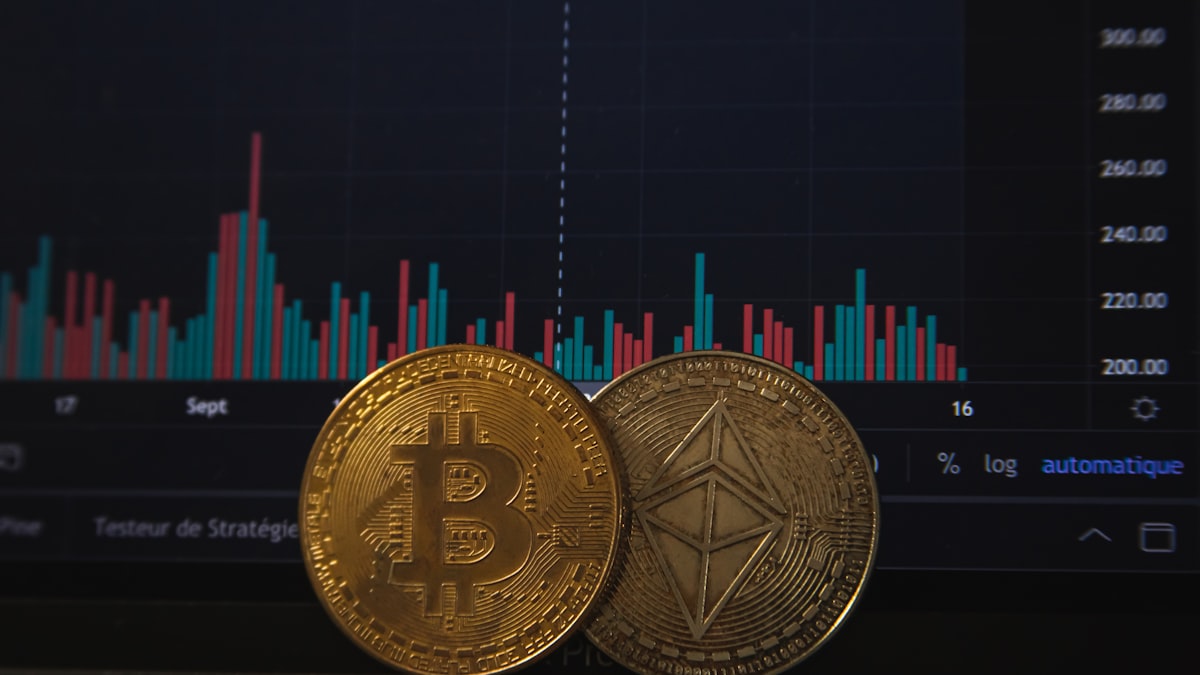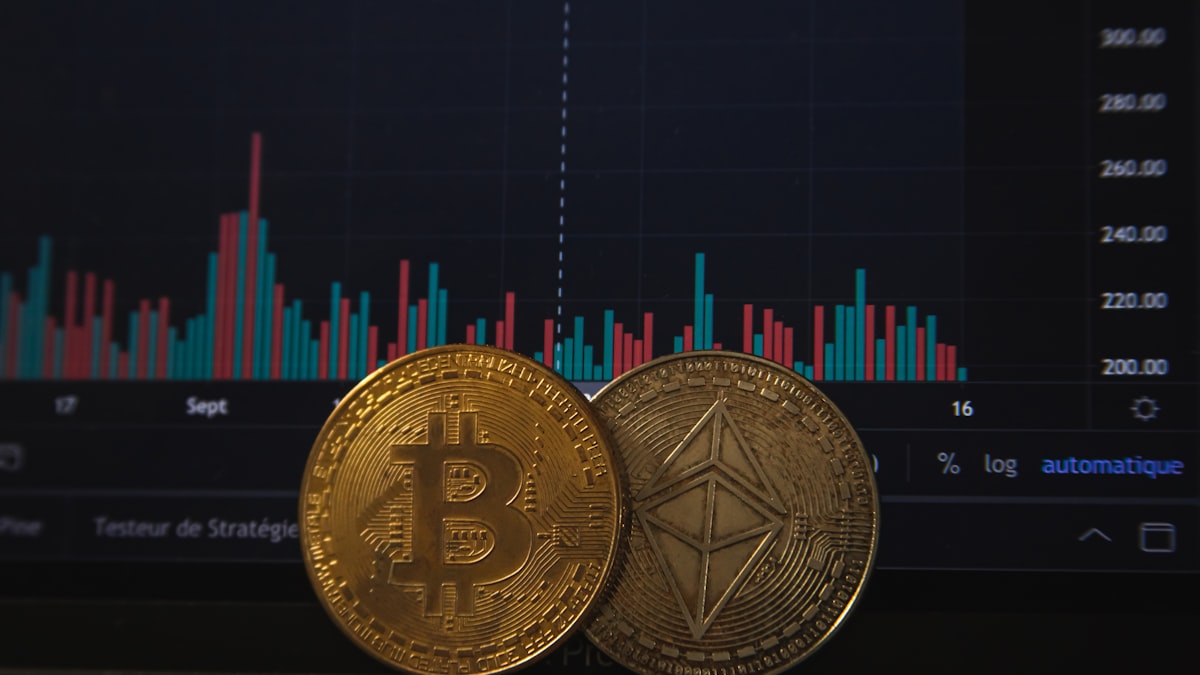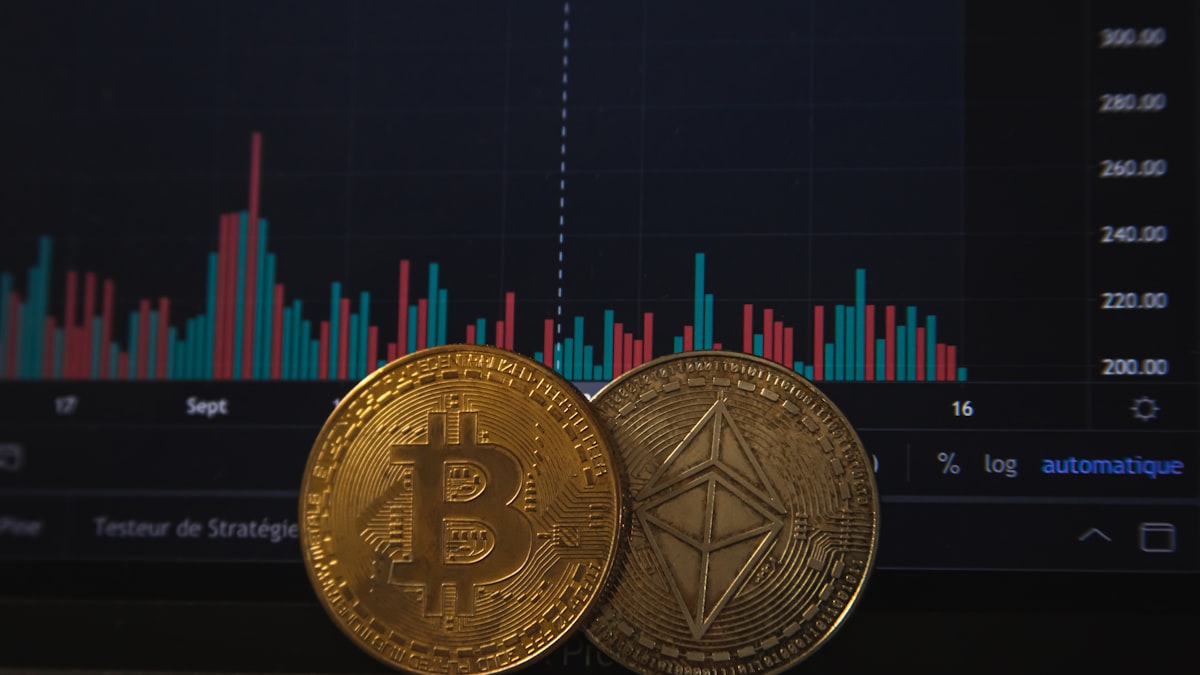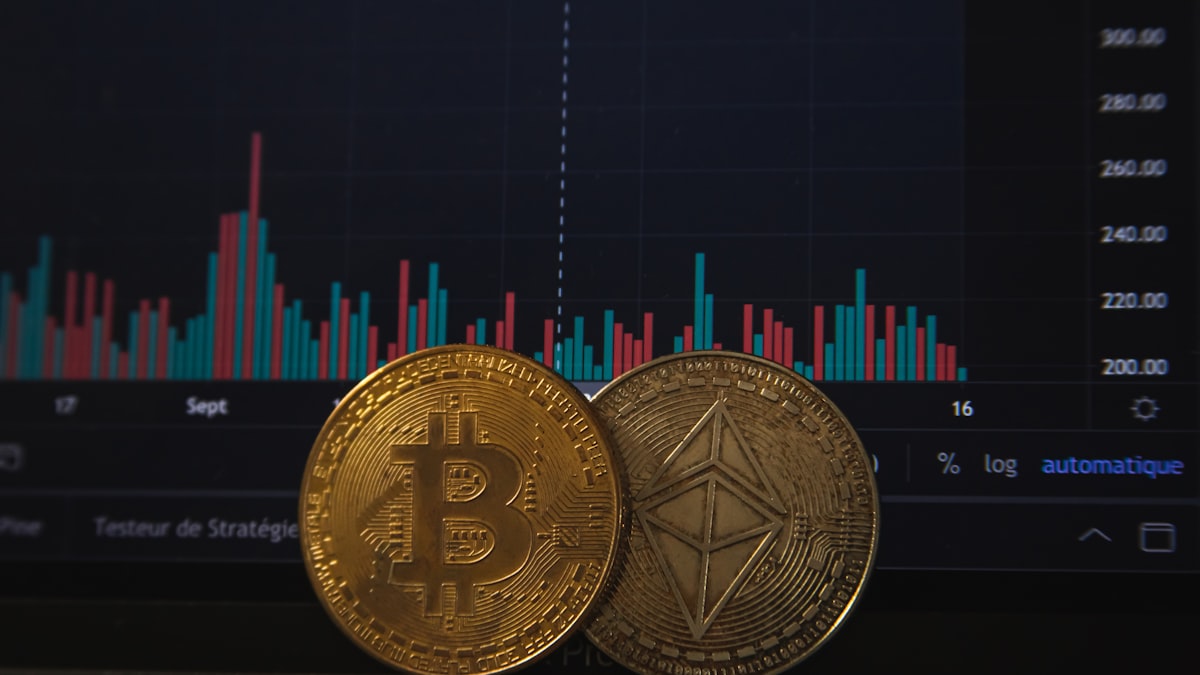
The cryptocurrency market experienced a sharp downturn this week as Bitcoin descended below the psychologically important $60,000 threshold, marking its weakest performance in approximately 21 months. The sell-off coincided with the release of disappointing US Personal Consumption Expenditures (PCE) data, which revealed inflation remains sticky at three-year highs, reigniting concerns about the Federal Reserve’s monetary policy trajectory and economic stability.
The broader market reaction extended far beyond digital assets. Traditional equity markets experienced considerable volatility, with investors reassessing risk positions across multiple asset classes. This flight-to-safety mentality triggered cascading sell orders in the cryptocurrency sector, where leverage and margin positions amplified downward price movements. Over the course of a single trading hour, the liquidation engine processed approximately $600 million in forced closures, primarily affecting leveraged long positions that failed to withstand the sudden price deterioration.
Analysts observing the price action have pointed to potential market manipulation, suggesting that coordinated selling or strategic positioning by institutional players may have exacerbated the decline beyond what fundamentals alone would justify. The concentration of liquidations in compressed timeframes often indicates algorithmic trading responses or targeted moves designed to trigger stop-loss orders en masse. Such dynamics underscore the fragility inherent in markets with significant leverage, where cascading liquidations can create artificial price floors that don’t reflect underlying asset valuations.
The inflation narrative carries particular significance for Bitcoin investors, as the cryptocurrency was originally marketed as a hedge against monetary debasement and currency erosion. However, the correlation between Bitcoin and traditional risk assets has strengthened considerably, meaning that periods of economic uncertainty and rising rates—conditions that typically prompt monetary tightening—now drive Bitcoin lower alongside equities. This dynamic contradicts the traditional “uncorrelated asset” thesis and forces market participants to reconsider Bitcoin’s role within diversified portfolios.
Looking ahead, the trajectory of inflation data will likely remain the dominant driver of short-term cryptocurrency valuations. If PCE readings moderate in coming months, reduced recession fears could catalyze a recovery. Conversely, persistent inflation could compel additional Fed action, further pressuring risk assets including digital currencies. Market observers will be watching for technical support levels, particularly the $55,000-$57,000 range, which could represent capitulation zones where long-term accumulation becomes attractive.
The current environment presents both challenges and opportunities for the cryptocurrency community. While short-term volatility creates uncertainty, historical precedent suggests that major price dislocations often precede the strongest recovery periods. Traders and investors must carefully evaluate their risk tolerance and time horizons before making decisions based on intraday price movements.
Source: Original Article