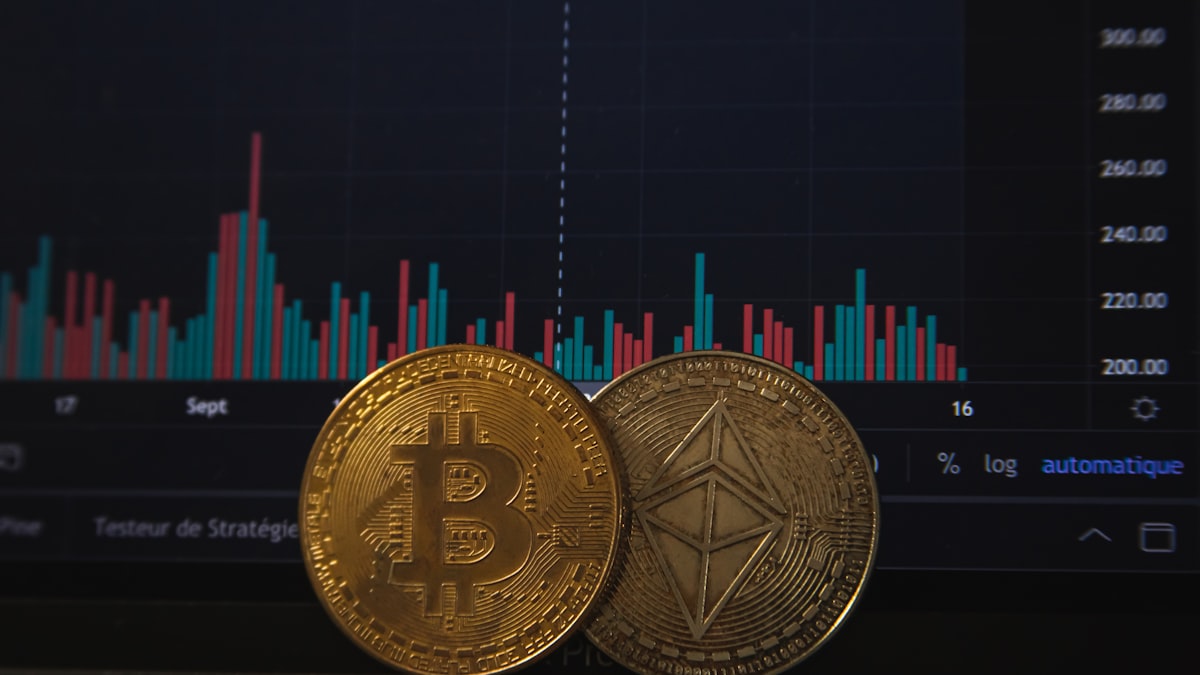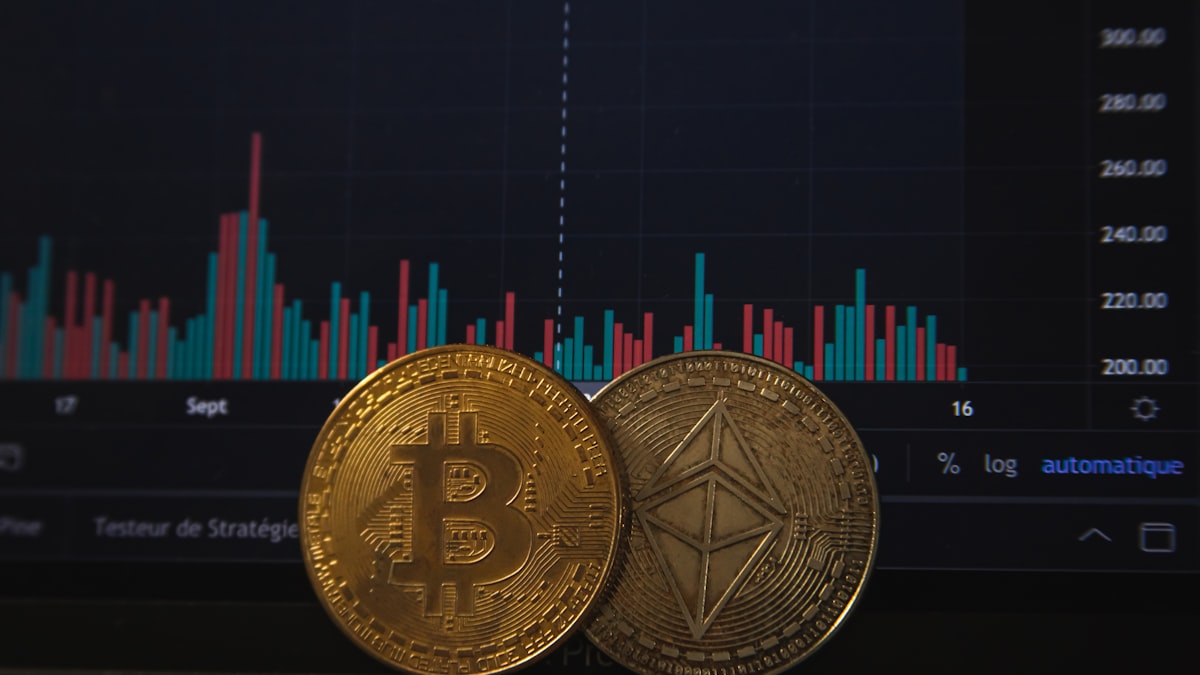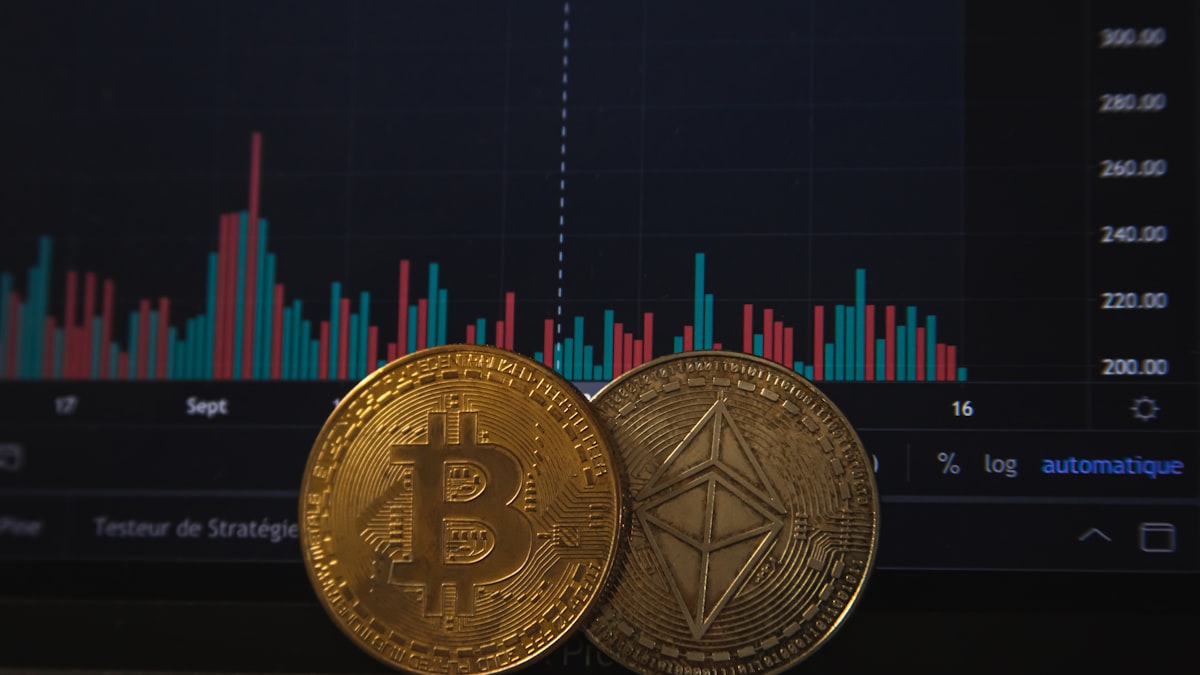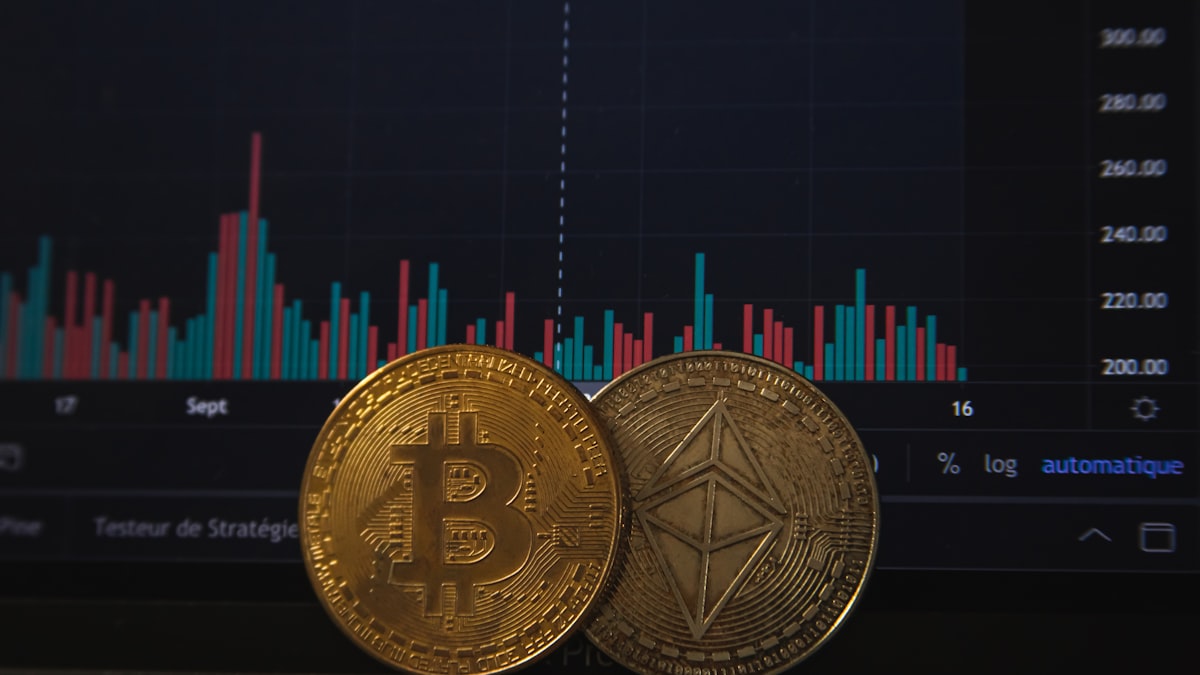
Bitcoin is currently navigating treacherous waters as the largest cryptocurrency faces mounting selling pressure in the days leading up to a substantial quarterly derivatives expiration event. The digital asset has slipped into the low-to-mid $60,000 range, representing a meaningful pullback from recent highs as market participants reassess their positioning ahead of critical economic catalysts.
The immediate catalyst weighing on Bitcoin’s price action stems from a colossal $10.6 billion in quarterly options contracts set to expire on June 26. This massive notional value creates significant uncertainty across derivatives markets, as traders liquidate positions and rebalance their portfolios in preparation for settlement. Compounding this pressure, spot exchange-traded funds have experienced approximately $469 million in net outflows over recent sessions, signaling a potential shift in institutional sentiment. These dual headwinds—derivative-driven volatility and ETF capital departures—have created an environment where buyers appear reluctant to establish new positions at current price levels.
A deeper analysis of market mechanics reveals that negative gamma dynamics are exacerbating the downward spiral. When gamma conditions turn negative, options dealers must continuously sell Bitcoin as prices decline, creating a self-reinforcing bearish feedback loop. This technical phenomenon amplifies volatility during uncertain periods and discourages sustained buying interest. The combination of heavy derivative expiries, mechanical selling pressure from gamma dynamics, and genuine ETF redemptions has conspired to pin Bitcoin within a compressed trading range. Rather than exhibiting organic price discovery, markets are being heavily influenced by artificial structural factors inherent to the derivatives ecosystem.
For the broader cryptocurrency market, the implications are substantial. A failure to maintain the $60,000 support level could trigger cascading liquidations in leveraged trading positions, potentially accelerating downside movements. Conversely, if Bitcoin manages to stabilize and consolidate above this critical floor, it would suggest institutional accumulation is occurring despite the tempestuous trading conditions. Market participants remain highly attuned to how professional traders position themselves through this expiration window, as their actions frequently telegraph directional bias for subsequent trading sessions.
Investors should recognize that quarterly expiries, while temporary in nature, can significantly distort price action and create misleading signals about longer-term trends. Historical precedent demonstrates that volatility clusters around these events before normalizing once contracts settle. The coming days will reveal whether current weakness reflects fundamental reassessment of Bitcoin’s value proposition or merely technical repositioning ahead of an important calendar event. Understanding these nuances remains crucial for distinguishing genuine market shifts from noise generated by the mechanics of derivatives markets.
Source: Original Article