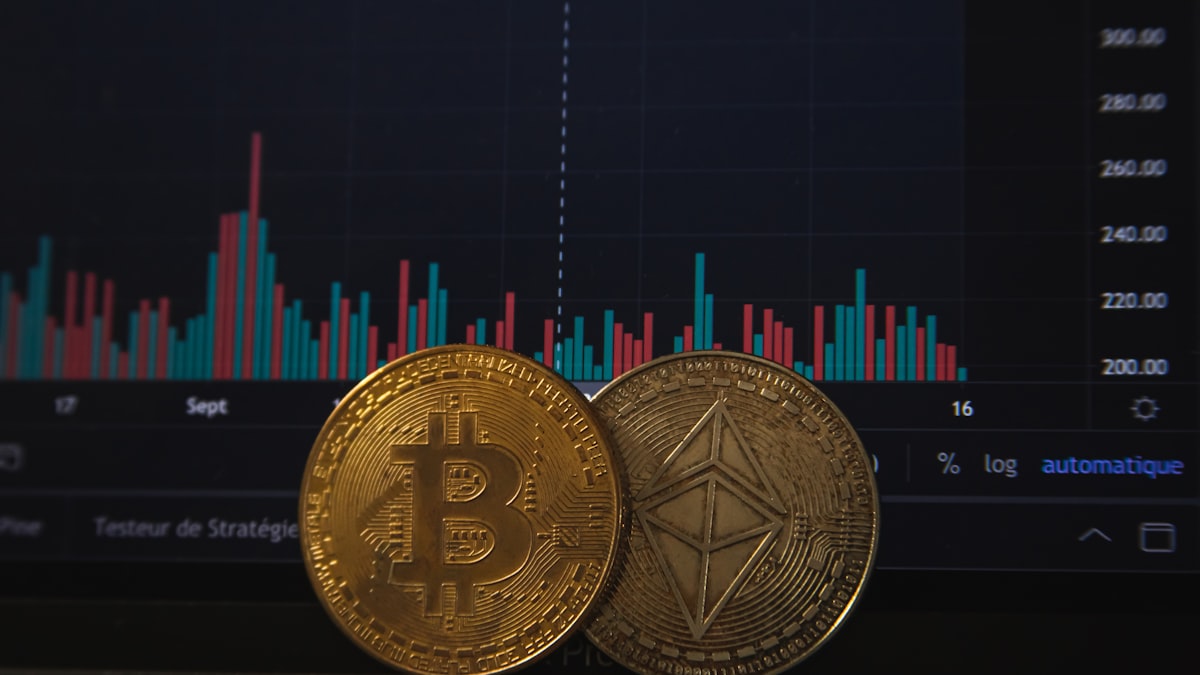
Bitcoin has extended its recent upward momentum, trading decisively above the $60,000 level following remarks from Federal Reserve leadership suggesting that inflationary pressures have begun to moderate. The cryptocurrency’s latest price action reflects growing optimism among investors that the central bank may adjust its interest rate trajectory in the coming months.
The rally emerged after senior Fed officials emphasized their continued focus on maintaining price stability through the 2% inflation target while simultaneously acknowledging that artificial intelligence and emerging technologies could fundamentally alter economic dynamics and policy frameworks. These comments were interpreted by market participants as a slight softening in the monetary policy stance, particularly when juxtaposed against previous hawkish rhetoric that had dominated central bank communications throughout 2023 and early 2024.
For the cryptocurrency sector, this shift carries significant implications. Bitcoin and other digital assets have historically demonstrated an inverse correlation with real interest rates and the likelihood of aggressive rate hikes. Lower inflation readings and the prospect of accommodative monetary policy typically reduce the opportunity cost of holding non-yielding assets like Bitcoin. Additionally, the Fed’s acknowledgment of AI’s transformative potential suggests policymakers are contemplating how technological disruption may reshape traditional financial systems—a narrative that has already gained considerable traction within the blockchain community.
Market analysts note that breaking above the $60,000 resistance level represents a meaningful technical milestone for Bitcoin. The move demonstrates renewed buying interest after weeks of consolidation and suggests that institutional and retail investors alike are positioning for a potential bull run. Trading volume accompanying the rally has been robust, indicating conviction rather than speculative noise. Several major cryptocurrency exchanges reported elevated activity levels across spot and futures markets as the price surge unfolded.
Looking ahead, the immediate question becomes whether this momentum can sustain itself through the next Federal Reserve meeting and any subsequent economic data releases. Inflation data, employment figures, and statements from other Fed governors will likely serve as key catalysts for Bitcoin’s directional bias. Furthermore, the convergence of reduced inflation expectations with broader macroeconomic uncertainty has created an environment where investors are actively reassessing their portfolio allocations—a shift that frequently benefits alternative assets and risk-on positioning.
The cryptocurrency market’s response underscores a fundamental reality: monetary policy conditions remain the single most important driver of Bitcoin’s price trajectory. As long as central banks maintain data-dependent approaches and signal flexibility around future rate adjustments, the digital asset space stands to benefit from improved investor sentiment and fresh capital inflows. The path toward $65,000 now appears increasingly plausible should positive inflation data continue to accumulate.
Source: Original Article