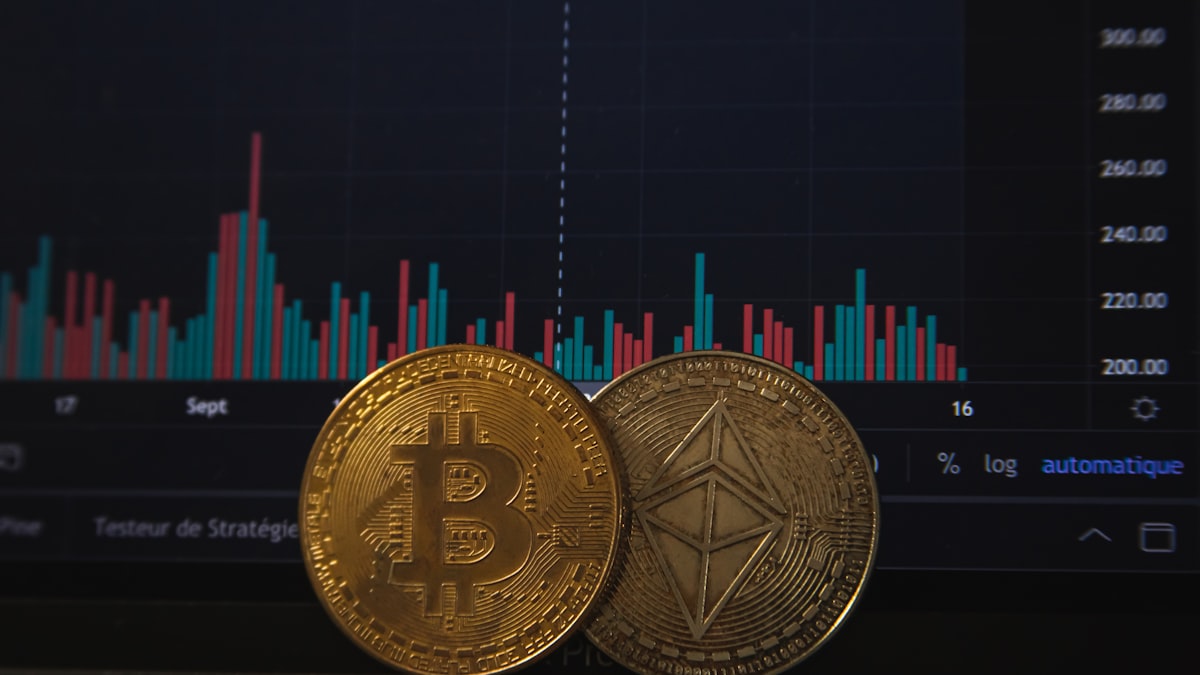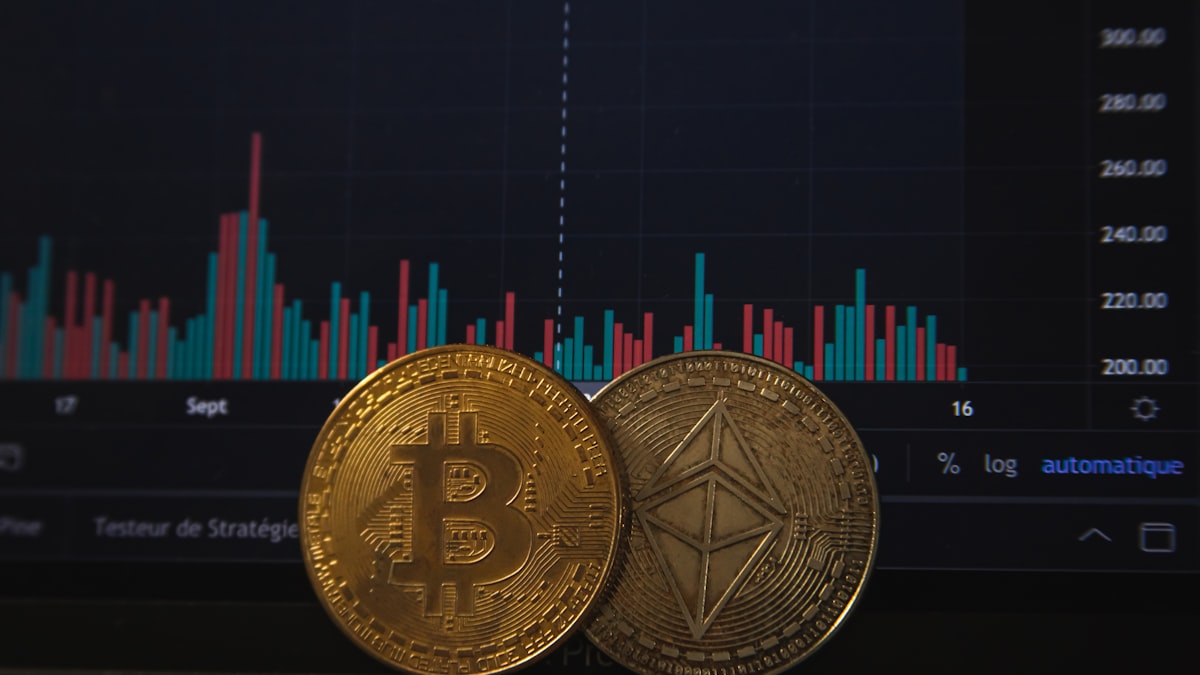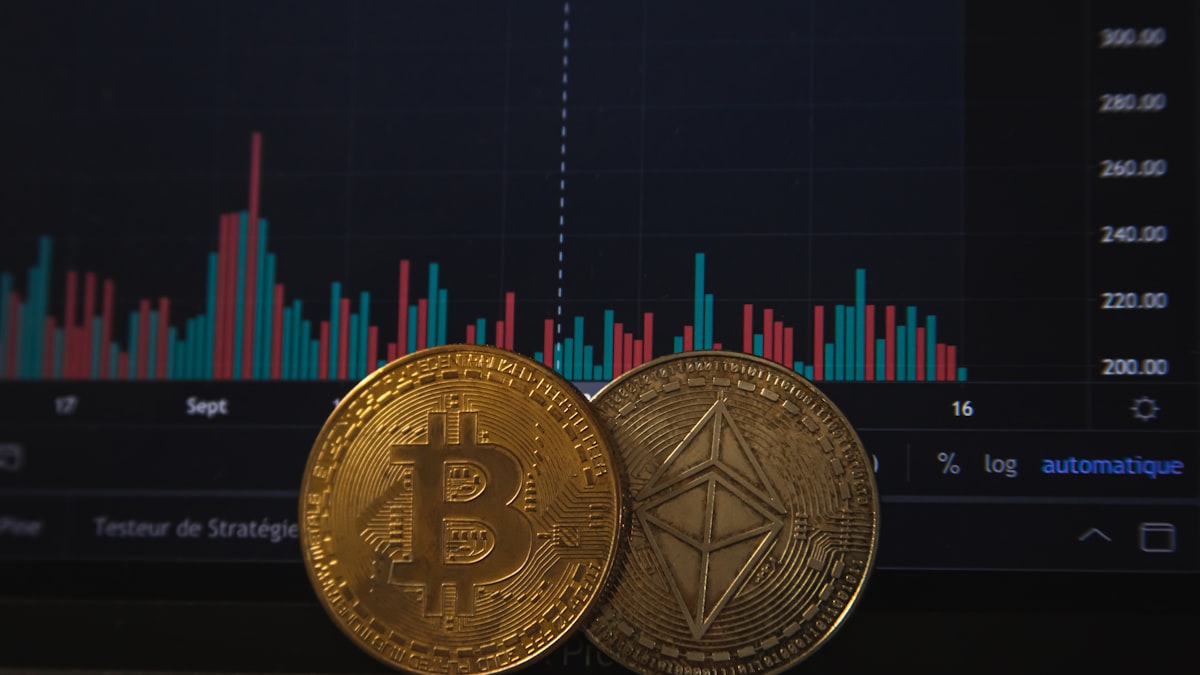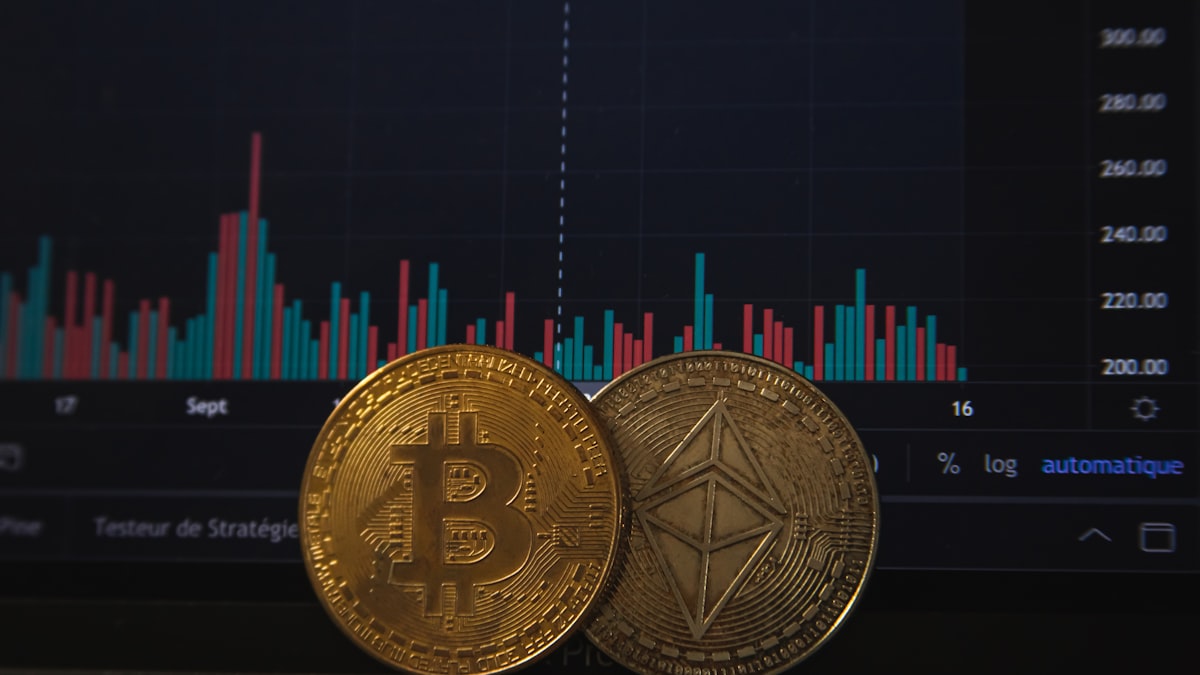
The cryptocurrency landscape continues to experience significant turbulence, with Bitcoin’s valuation experiencing considerable pressure in recent months. This downturn has intensified scrutiny on high-profile institutional accumulation programs, particularly those pursued by prominent business leaders who have championed aggressive buy-the-dip methodologies.
Recent market movements have tested the resolve of major corporate holders who committed to substantial acquisition campaigns. The depreciation has prompted broader conversations within the investment community about the viability of sustained purchasing strategies during extended downturns. Industry observers point to mounting skepticism among some stakeholders who question whether current accumulation models can withstand prolonged bearish conditions. The debate extends beyond simple price mechanics, touching on macroeconomic factors, institutional appetite, and the psychological resilience required to maintain conviction during extended consolidation periods.
Market dynamics have shifted noticeably as valuations declined. Trading volumes fluctuated accordingly, and sentiment indicators reflected growing hesitation among both retail and institutional participants. Corporate treasuries that had publicly committed to accumulation programs now face difficult decisions regarding capital deployment strategies. Some organizations have tempered their purchase velocity, citing evolving risk assessments and changing market conditions. This recalibration represents a significant departure from earlier aggressive positioning, signaling that even well-capitalized entities operate within practical constraints.
The implications extend throughout the broader ecosystem. When major institutional holders pause their accumulation activities, market structure shifts perceptibly. Supply dynamics change, price discovery mechanisms experience different pressures, and retail traders adjust positioning accordingly. Analysts note that sustained institutional withdrawal from aggressive buying programs could influence medium-term price trajectory and volatility patterns. Additionally, the credibility of long-term accumulation thesis faces renewed examination as stakeholders reassess fundamentals versus promotional messaging.
Looking forward, market participants anticipate key developments that could reshape institutional strategy. Macroeconomic stabilization might renew confidence in extended holding periods, while continued volatility could necessitate further tactical adjustments. The outcome remains uncertain, but one certainty emerges: the period of unconditional institutional optimism appears to have concluded, at least temporarily.
For investors monitoring this situation, the current environment underscores the importance of independent analysis and realistic risk assessment. Whether these corporate strategies ultimately vindicate themselves depends largely on variables extending well beyond any single entity’s control—including regulatory developments, technological progress, and broader economic conditions that will shape cryptocurrency adoption trajectories in the years ahead.
Source: Original Article