The cryptocurrency sector experienced significant turbulence this week as two major developments collided in real-time trading sessions. Conflicting statements regarding Middle East diplomacy combined with shifting expectations at the Federal Reserve created a confluence of uncertainty that sent investors scrambling to reassess portfolio allocations.
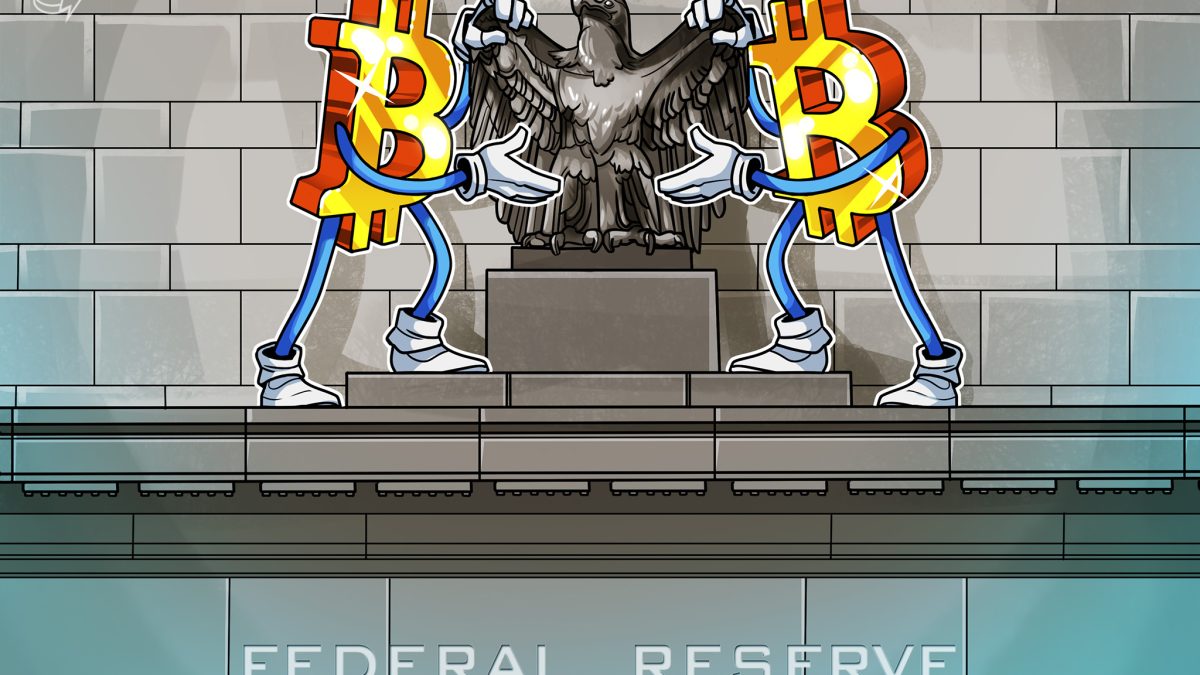
Kevin Warsh’s recent communications regarding the central bank’s future stance represent a notable departure from previous messaging. The Fed official’s remarks suggested a recalibration of monetary policy that diverges from market expectations, prompting traders to reconsider the timeline for economic stimulus measures. Such signals carry outsized weight in determining asset flows, particularly for speculative holdings that depend on loose financial conditions.
Simultaneously, President Trump’s ambiguous positioning on Middle Eastern peace negotiations introduced geopolitical risk premiums across markets. His inconsistent public statements regarding Iran relations created additional volatility, as investors grappled with potential sanctions escalation or trade disruptions. These tensions historically benefit traditional safe-haven assets while pressuring growth-oriented and speculative investments, including cryptocurrencies.
Market Response and Investor Sentiment Shift
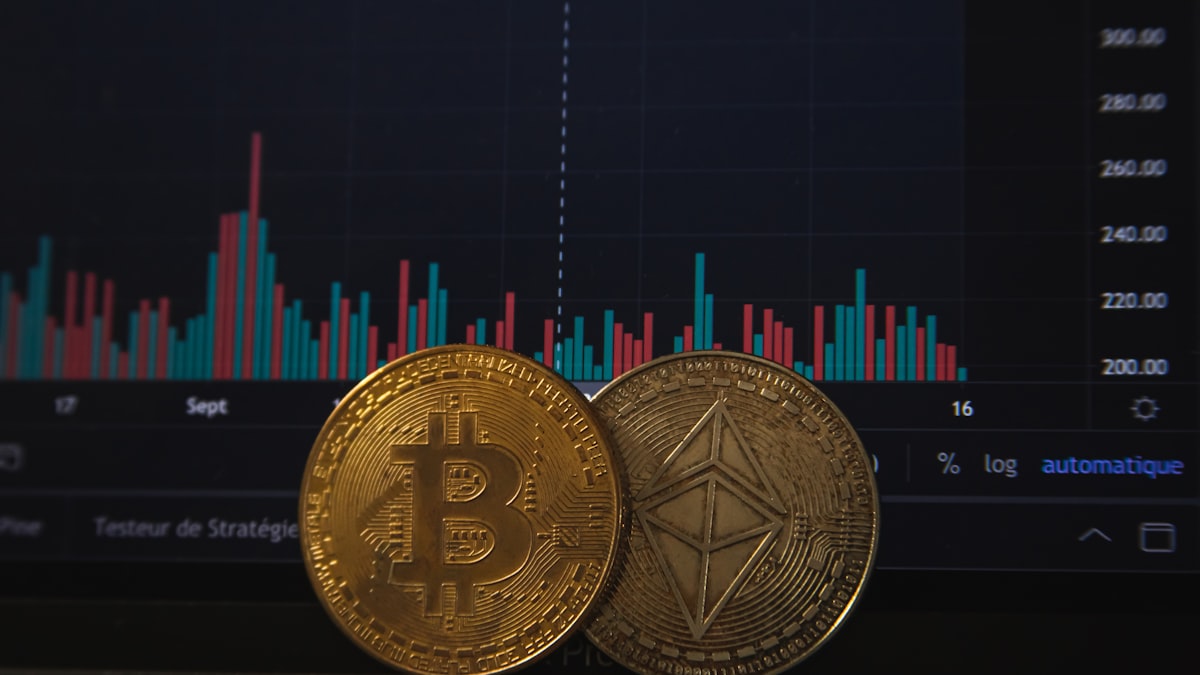
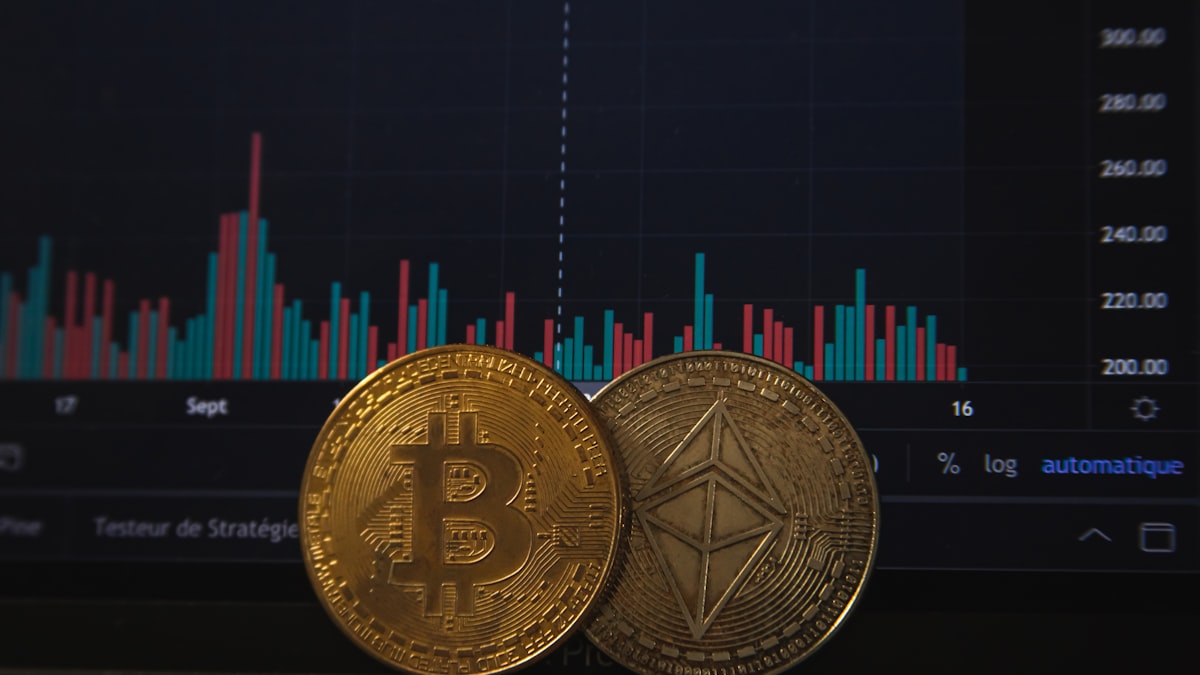
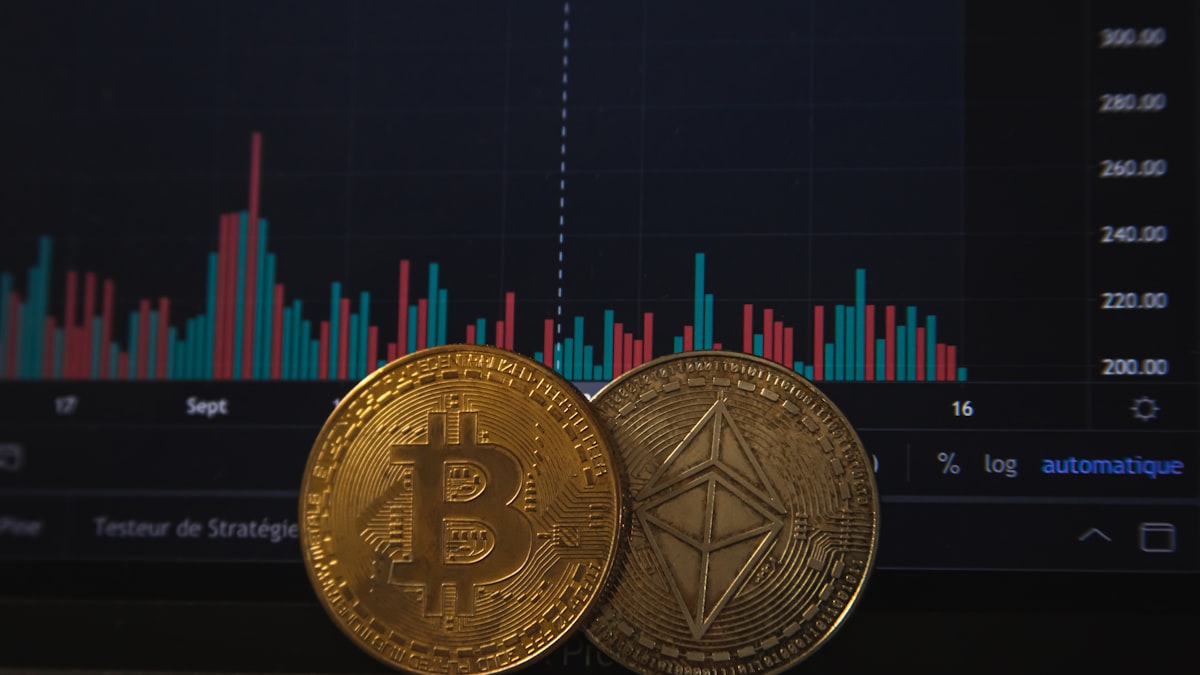
Digital currency markets reflected this anxiety through wide price swings and elevated trading volumes. Bitcoin and altcoins both experienced sharp drawdowns as leveraged positions faced liquidations across major exchanges. The combination of monetary tightening signals and geopolitical uncertainty created a double headwind that tested support levels established over recent months.
Institutional participants appear to be hedging their bets, reducing exposure to cryptocurrencies while monitoring central bank communications more closely. The uncertainty surrounding Warsh’s potential influence on Federal Reserve policy decisions has become a focal point for market watchers attempting to predict liquidity conditions through year-end.
Looking ahead, clarity on both fronts remains elusive. Traders will be watching for additional Fed commentary that could either validate or contradict recent signals about monetary direction. Similarly, developments in international relations could either intensify market stress or provide relief rallies if tensions ease unexpectedly.
The current environment underscores how interconnected cryptocurrency markets have become with traditional macroeconomic forces. Rather than operating in isolation, digital assets now respond dynamically to Fed policy expectations, geopolitical developments, and broader risk sentiment shifts affecting equities and commodities globally.