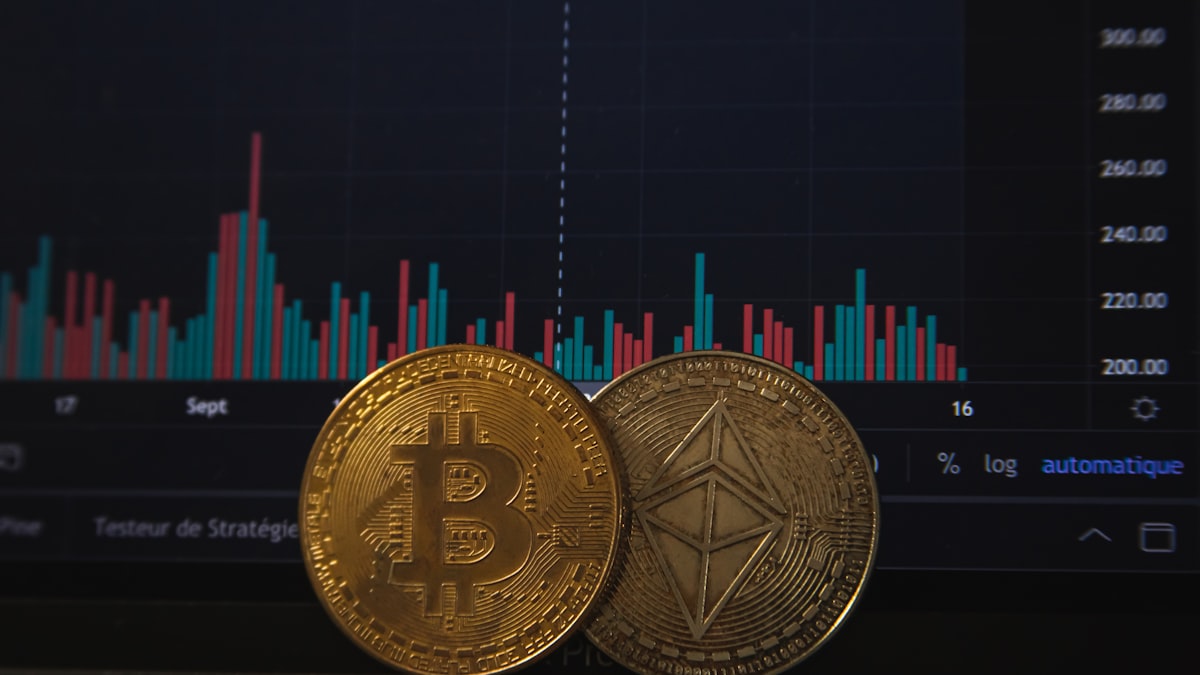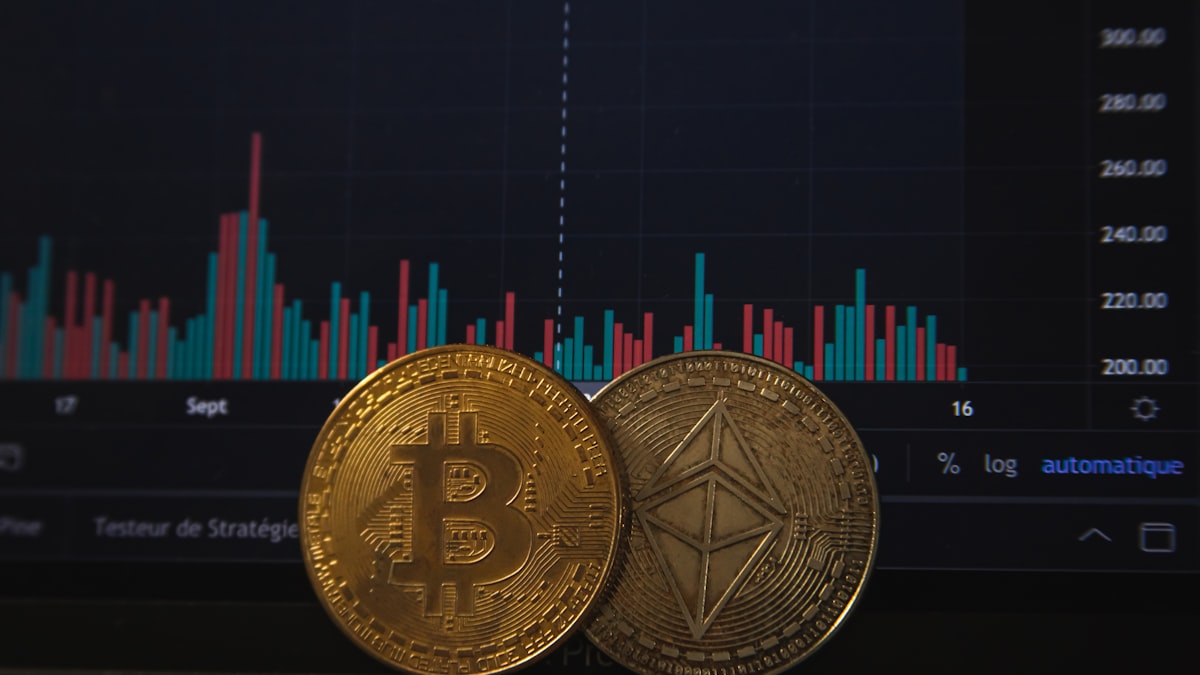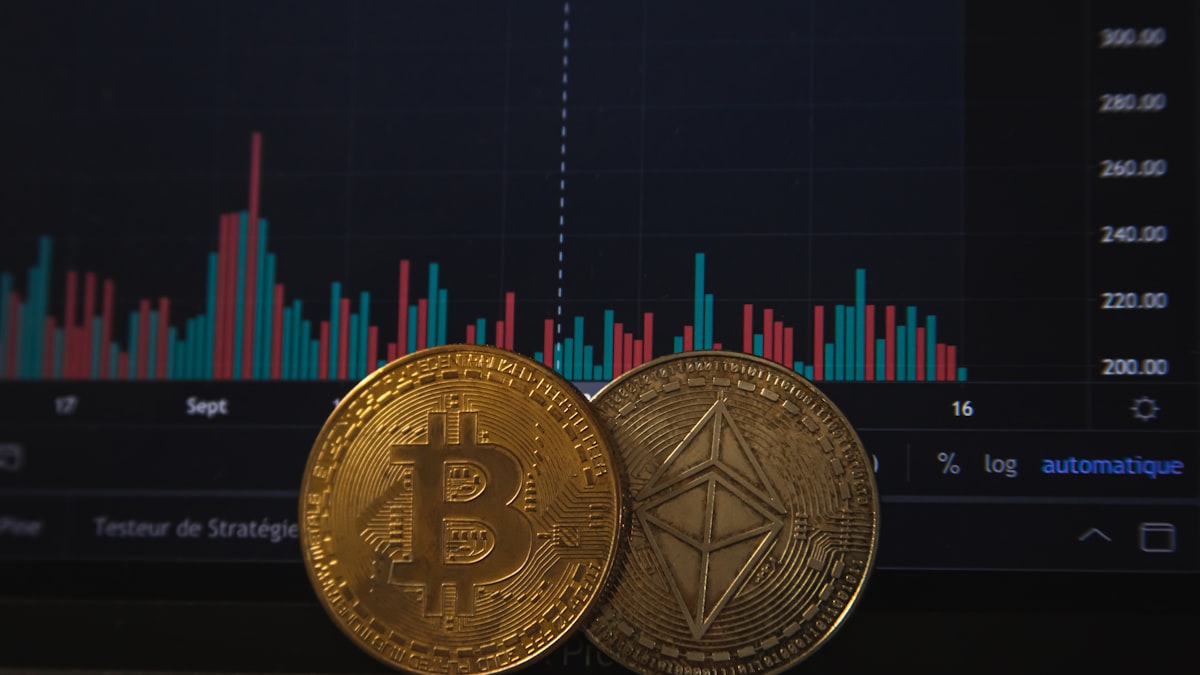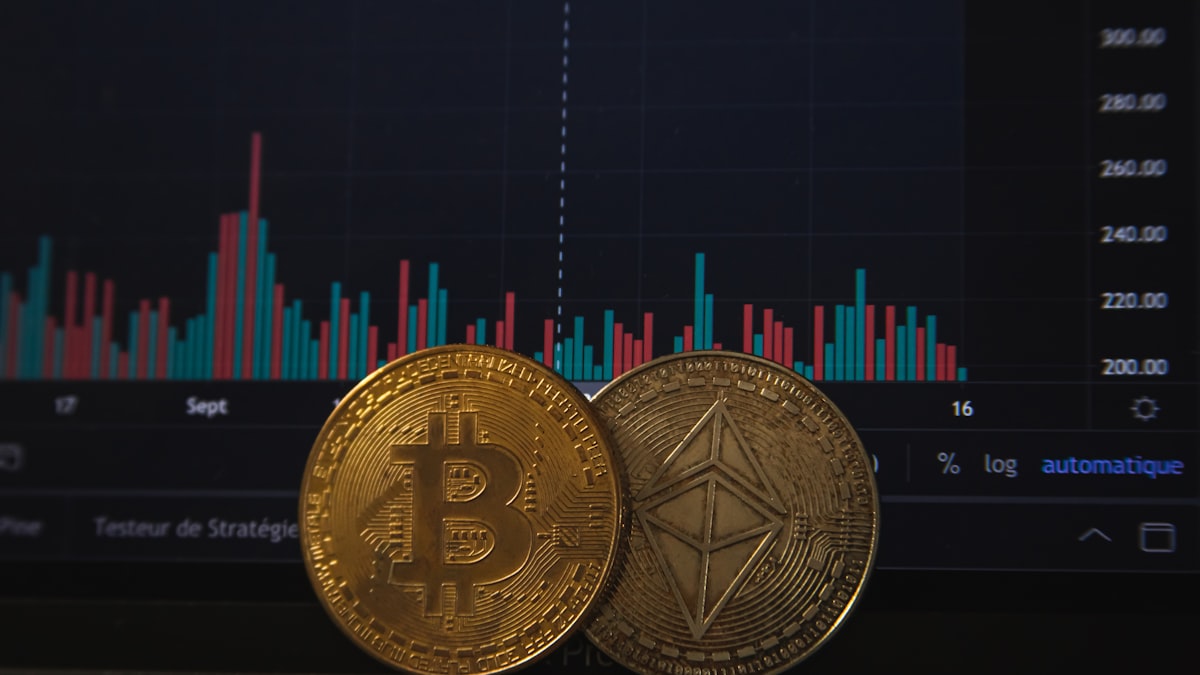
Japan’s corporate sector is experiencing a significant pivot toward cryptocurrency holdings, driven by persistent yen weakness and the need to protect company reserves from currency erosion. This emerging trend reflects a broader strategic reassessment by Japanese enterprises seeking alternative stores of value in an environment marked by monetary uncertainty.
The catalyst for this institutional shift stems from Japan’s prolonged economic headwinds, which have weakened the yen considerably against major currencies. As traditional hedging mechanisms prove insufficient, corporate treasurers are now evaluating digital assets—particularly Bitcoin and XRP—as viable components of diversified reserve strategies. This represents a notable departure from Japan’s historically cautious approach to cryptocurrency, suggesting that macroeconomic pressures are overriding previous institutional hesitations.
Recent data indicates that registered accounts at major Japanese crypto platforms have surged past the 2 million threshold, with corporate accounts representing a meaningful portion of this growth. This expansion signals not merely retail interest but a fundamental recalibration among business decision-makers who previously viewed cryptocurrency with skepticism. The inflection point appears to be reached when currency devaluation risks began outweighing perceived volatility concerns associated with digital assets. For many CFOs and treasury managers, Bitcoin’s fixed supply and XRP’s potential as a settlement mechanism now present compelling value propositions compared to holding depreciating fiat reserves.
The implications of this institutional migration extend beyond individual company balance sheets. As Japanese corporations—particularly mid-market and large enterprises with substantial treasury operations—allocate portions of reserves toward crypto, they effectively create sustained demand flows that could stabilize prices while attracting additional institutional capital. This contrasts sharply with speculative retail demand, potentially establishing a more resilient price foundation. Furthermore, Japanese adoption could serve as a template for other economies facing similar currency pressures, potentially catalyzing a broader wave of corporate crypto adoption across Asia.
Market participants should monitor several key developments. First, the regulatory environment in Japan may evolve to accommodate institutional participation more formally. Second, traditional financial institutions in Japan might accelerate their own digital asset offerings to capture rising corporate demand. Third, sustained Japanese corporate buying could influence regional cryptocurrency markets, with potential spillover effects on global pricing dynamics. The yen’s trajectory remains crucial—if currency weakness persists or intensifies, corporate allocation toward crypto could accelerate further, creating a reinforcing cycle of institutional demand.
This phenomenon underscores a critical reality: cryptocurrency adoption often accelerates not through ideological conviction but through practical financial necessity. As macroeconomic conditions create genuine use cases for digital assets, institutional barriers erode faster than many analysts anticipated. Japan’s corporate embrace of Bitcoin and XRP may ultimately represent the most significant institutional adoption driver since the initial wave of 2020-2021, with potentially profound implications for cryptocurrency’s maturation as an institutional asset class.
Source: Original Article